African Safari Planning Guide
How to Plan an African Safari: Honest Advice From People Who Live Here
ABOUT US
Start with the experience you want—not a list of famous lodges
Planning an African safari should be exciting. Yet the moment you begin searching, it can feel as though you need to become an expert in countries, seasons, camps, internal flights, park fees and animal migrations before you can make a sensible decision.
You do not.
You need a clear understanding of what matters to you, reliable advice from somebody who knows the destinations first-hand and an itinerary in which every choice has a purpose.
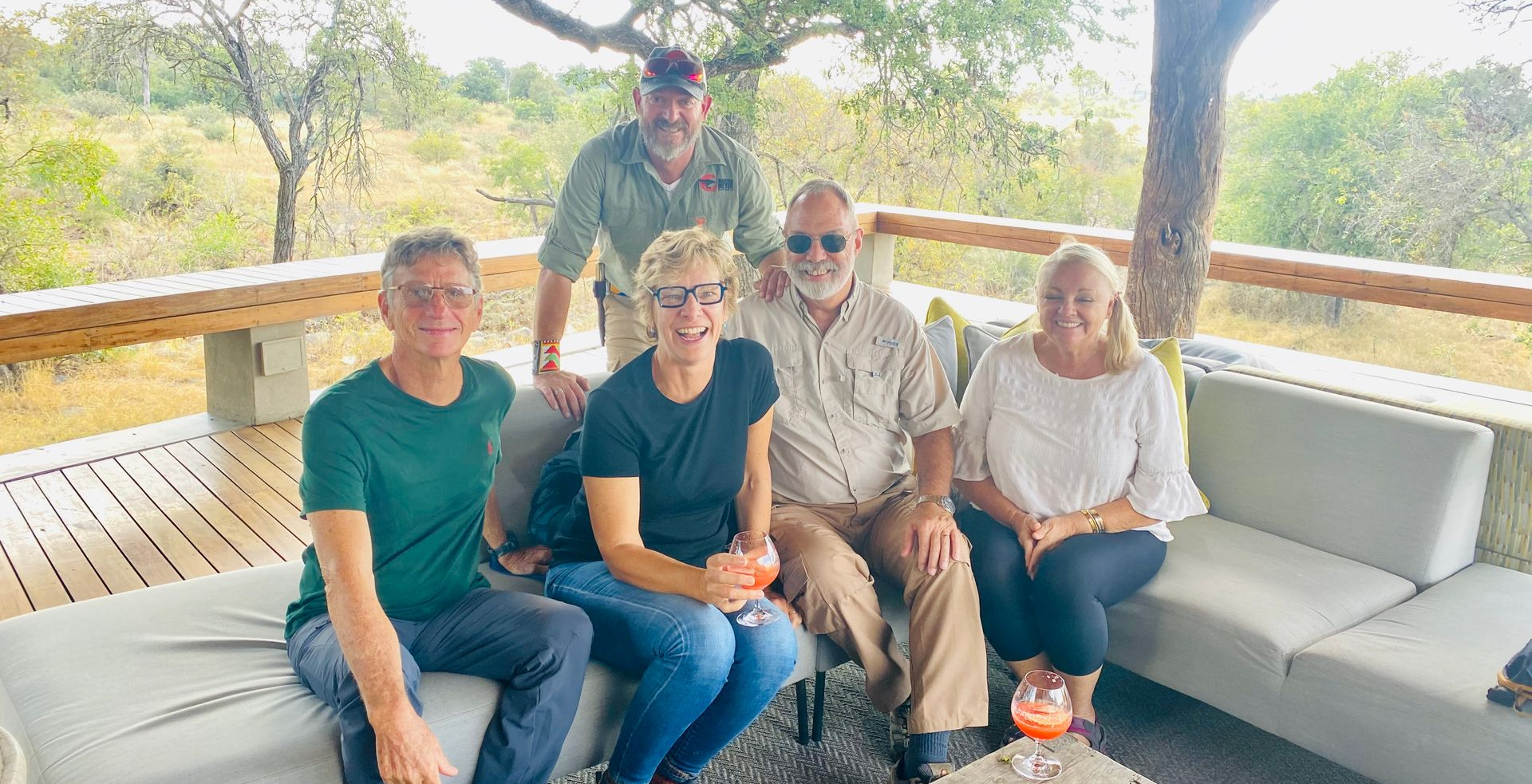
Martin Meyer Safaris is based in The Greater Kruger National Park, South Africa. Martin and Antje Meyer have spent more than two decades travelling, guiding and working across Africa. This planning guide brings together the questions travellers should answer before booking—from where to go and what a safari costs to how guiding, vehicle space and journey pace affect the experience.
Use it to make informed decisions, identify the advice you need next and avoid the expensive mistake of booking impressive individual parts that do not work well together.
Quick Answers for Planning Your First African Safari
The most important advice: decide what you want the safari to feel like before choosing where to sleep. An exceptional lodge in the wrong place, season or sequence will not create an exceptional journey.
How long should my safari be?
Seven to ten days works for one focused region; 10 to 15 days gives most international travellers a better-paced, more complete journey.
How much should I budget?
As a broad guide, safari accommodation can range from roughly US$350 to US$2,500+ per person per night before every trip-specific extra is considered.
Should I use a private guide?
A private guide is particularly valuable for first-time visitors, families, photographers and multi-camp journeys where continuity matters.
When should I go?
The best month depends on the country and the experience you want. Dry season is popular, but green season can mean fewer vehicles, lower rates and beautiful conditions.
Which country is best for a first safari?
South Africa, Tanzania, Kenya and Botswana are all excellent, but differ substantially in cost, landscape, logistics and exclusivity
How early should I book?
Plan 12 to 18 months ahead for peak seasons, specialist camps, gorilla permits, private villas or groups requiring several rooms.
On this Page
- What to consider before booking
- How to choose a country
- What an African safari costs
- Which safari style to choose
- Health, safety, insurance and packing
- Specialist safari types
- Common safari terminology
- Frequently asked planning questions
- How to start planning with MMS
African safari planning: the short answer
To plan an African safari, decide approximately when you can travel, how many days you have, who is travelling, what you most want to experience and what you are comfortable spending per person. Then choose the destination, season, camps, transport and guiding style that best match those priorities.
For most travellers, a thoughtfully paced safari of 10 to 15 days allows enough time to settle into the wilderness and combine complementary areas without turning the trip into a race between airstrips. Seven to ten days can work very well when focused on one country or region.
There is no single best country or month for everyone. The right answer depends on whether you value dramatic wildlife concentrations, fewer vehicles, green landscapes, photography, walking, primates, family-friendly logistics, exclusivity or price.