How to Plan a Private Group Safari With Friends
How to Plan a Private Group Safari With Friends
An African safari is a journey people discuss for years before they actually take it. Among friends, the idea often begins easily: a milestone birthday, a long-promised reunion, an anniversary worth celebrating together or a shared determination to finally see Africa.
Then the questions begin.
Which country should you choose? What happens when one person wants elephants, another wants photography and somebody else wants a very comfortable bed? How do you agree on a budget? Will you share game drives with strangers? Who collects the money, tracks the flights and makes sure that David has not booked himself into the wrong Johannesburg airport?
This is precisely where a private group safari earns its place

What Is a Private Group Safari?
A private group safari is a tailor-made African journey created exclusively for your own group of friends. You travel on an itinerary designed around your dates, interests, preferred pace and budget, usually with your own safari vehicle and dedicated private guide. It is not the same as joining a scheduled group departure. On a scheduled departure, individual travellers book places on a fixed itinerary and travel with people they may not know. On a private group safari, the group is already yours. You choose who travels, and the safari is designed for you collectively.
That difference affects almost everything: the route, travel dates, accommodation, activities, meal arrangements, time spent at sightings and even how slowly or ambitiously each day unfolds.
Why Is a Private Safari So Well Suited to Groups of Friends?
The greatest luxury on safari is not necessarily a plunge pool or an extravagant suite. It is having control over your time. When friends travel privately, a brilliant leopard sighting does not have to end because another guest wants to return to camp. Keen photographers can wait for the light to change. Birders can stop for something smaller than an elephant. If the group had a rather enthusiastic evening around the fire, the following morning can be adjusted where the itinerary and reserve rules allow.
A private safari also gives your group space to be itself. The jokes, stories and comfortable silences belong to people who already know one another. You can celebrate significant moments privately and experience each new sighting with the friends who helped get the idea off the ground in the first place.
Is a Private Group Safari Worth It?
For friends who value flexibility, continuity and time together, a private group safari is often worth the additional cost. It can also offer better value per person than many travellers expect because the cost of a private guide and vehicle is shared across the group. The value is not simply privacy for its own sake. It comes from having an itinerary that works as one complete journey, a guide who understands the group and the freedom to prioritise what matters to you.
That may mean spending longer with wild dogs rather than rushing through a checklist, combining famous wildlife areas with quieter reserves, allowing some friends to enjoy a walking safari while others remain in camp, or building a slower day into the itinerary at exactly the point everyone is likely to need it.
A badly designed safari can still be expensive. A well-designed private safari uses your budget where it changes the experience most: guiding, location, access, sensible routing and enough time in each place.
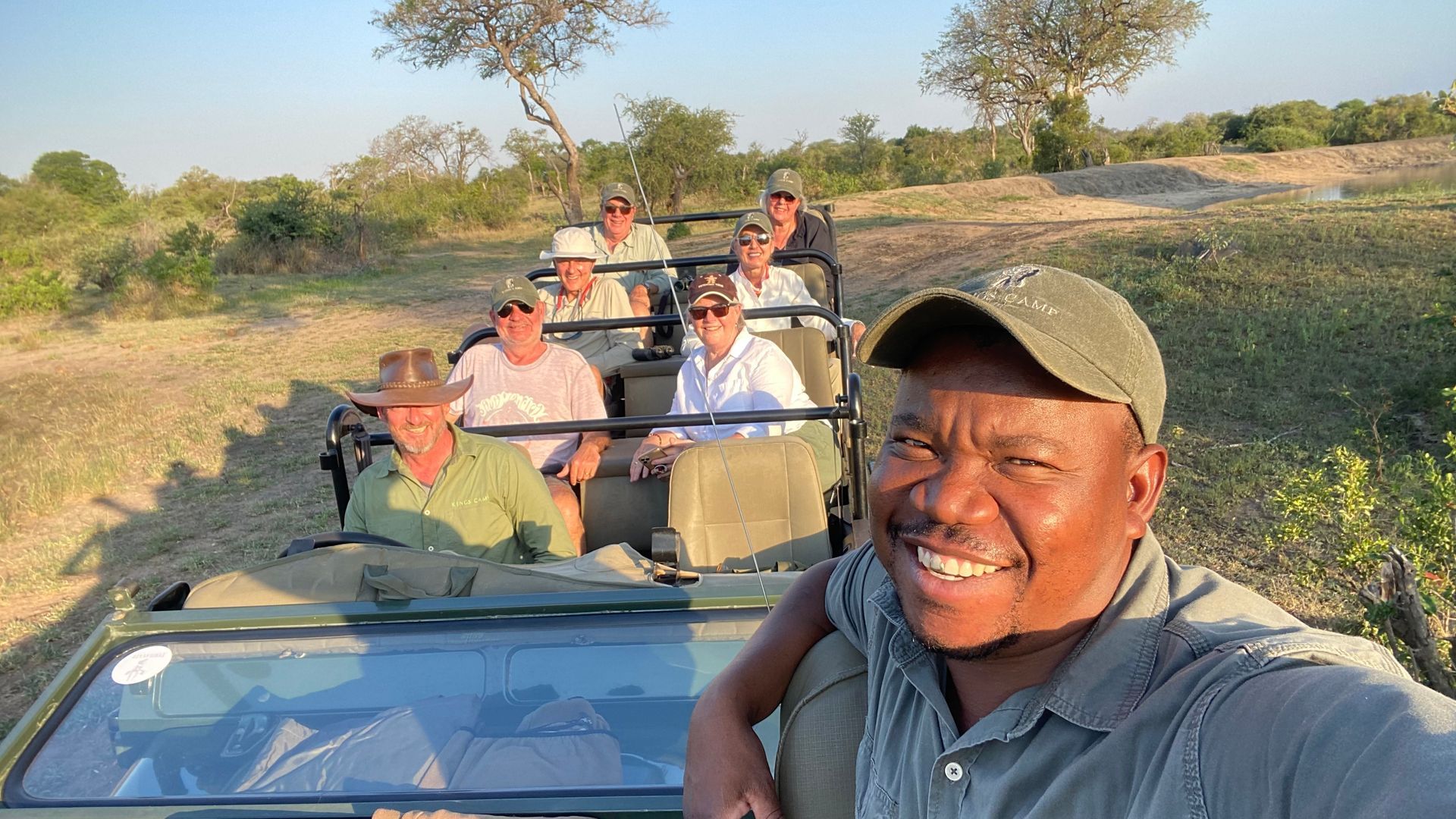
How Much Does a Private Group Safari Cost?
There is no single price for a private group safari. The cost depends on the destination, season, trip length, standard and location of accommodation, internal flights, park or conservation fees, private guiding arrangements and the number of people sharing fixed costs.
Groups of roughly six to eight friends can often use a private vehicle efficiently, but vehicle layouts and regulations differ by country and operator. More people may require a second vehicle, while a smaller group will divide the guiding and vehicle cost among fewer travellers.
The most useful approach is to agree on an honest per-person budget before accommodation is proposed. This prevents one person imagining simple tented camps while another is picturing private villas and vintage champagne.
When comparing proposals, check what is actually included. A safari quotation may cover accommodation, meals, scheduled activities, transfers, regional flights and park fees, but commonly excludes international flights, visas, travel insurance, gratuities, premium drinks and personal expenses. The cheapest-looking itinerary is not always the least expensive once omissions and inconvenient logistics are accounted for.
How Do You Plan a Safari When Friends Have Different Budgets?
Budget is often the most awkward part of planning a group holiday, so discuss it early and privately. Ask every traveller for a realistic comfort range rather than forcing the conversation into a group chat. A safari planner can then design to the range shared by the group, without identifying who supplied which number.
It is usually better to agree on the core experience first: destination, number of nights, comfort level and whether private guiding is essential. Optional extensions, room upgrades, spa treatments or premium flights can sometimes be handled individually.
Trying to satisfy incompatible budgets by adding too many compromises often produces a poor itinerary for everyone. Clear expectations at the beginning protect both the journey and the friendship.
Which African Destination Is Best for a Group of Friends?
The best destination depends on what your group wants to experience, when you can travel and how you prefer to move.
South Africa works particularly well for first-time safari groups, friends with limited time and travellers who want to combine wildlife with Cape Town, food and wine. It also offers a wide range of accommodation styles and relatively straightforward logistics.
Botswana suits friends looking for remote wilderness, smaller camps and a sense of exclusivity. Light-aircraft transfers are common, and the overall cost can be higher, but the privacy and quality of the wilderness experience are exceptional.
Tanzania is ideal for groups drawn to vast landscapes, the Serengeti, the Ngorongoro Crater and the possibility of a classic road-based safari with one dedicated guide. It can also combine beautifully with Zanzibar.
Kenya offers iconic wildlife, excellent private conservancies and varied combinations of safari, culture and coast. Conservancies can provide activities and flexibility not always available inside national reserves.
Zambia and Zimbabwe appeal to groups wanting a more active or immersive safari, particularly walking, canoeing and strong guiding. They are excellent choices for returning safari travellers who want to go deeper.
Namibia is compelling for friends who love dramatic landscapes, road journeys and photography as much as wildlife. Distances are substantial, so thoughtful routing matters.
The right answer may also be a combination of countries, but more is not automatically better. Too many flights and two-night stays can turn a safari into an expensive luggage-moving exercise.
What Is the Best Group Size for a Private Safari?
For many private safaris, six to eight friends is a practical group size. It allows the group to share fixed guiding and transport costs while remaining small enough for intimate camps and flexible logistics.
However, the right number depends on the vehicles, room configurations, aircraft, activities and camps used. A vehicle advertised as having nine seats may not give nine photographers equal space. Small aircraft also have luggage and weight restrictions, while some specialist activities limit participant numbers.
Do not ask only, “How many people fit?” Ask:
- Will everyone have a window or unobstructed view?
- How much room is available for camera equipment?
- Will the group use one vehicle or two?
- Can vehicles separate when interests differ?
- Are single rooms available, and are supplements charged?
- Does the camp have enough rooms for the whole group?
These details have a far greater effect on the daily experience than the nominal vehicle capacity.
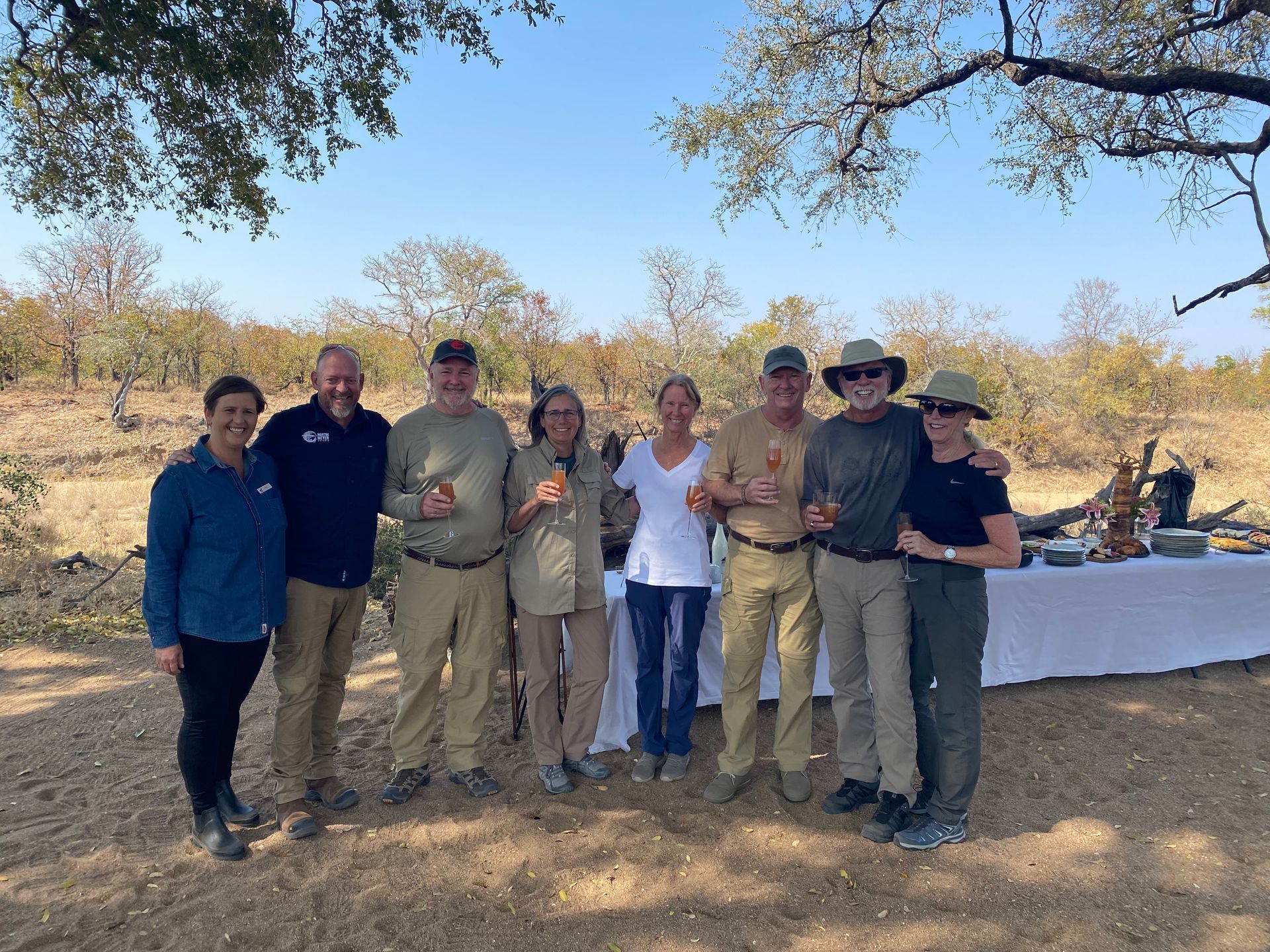
Can Friends With Different Interests Enjoy the Same Safari?
Yes—if those differences are designed into the itinerary rather than discovered on the first game drive. One friend may be a serious photographer. Another may want to identify every bird. Someone else may care more about landscapes, conservation, food or simply being outdoors with friends. A private guide learns how the group responds and can balance those interests across the journey.
The itinerary can also include deliberate points of choice. Some travellers might take a guided walk while others enjoy a game drive. One afternoon may be left unscheduled. A city or beach extension can broaden the trip beyond wildlife.
Not every minute needs to be communal. Successful group travel allows friends to share the important moments without requiring everyone to make the same choice every hour.
Why Does a Private Guide Matter?
A private guide provides continuity across the journey. Lodge guides may change from camp to camp, but a private guide travels with the group, understands its interests and helps connect each destination into a richer story.
The guide also absorbs much of the invisible work: managing timing, interpreting wildlife behaviour, communicating with local teams, adjusting plans and solving small problems before they become group problems.
For a group of friends, this removes an especially common source of tension—the unofficial organiser having to remain responsible throughout the holiday. The person who started the WhatsApp group should be allowed to put down the spreadsheet and enjoy the safari too.
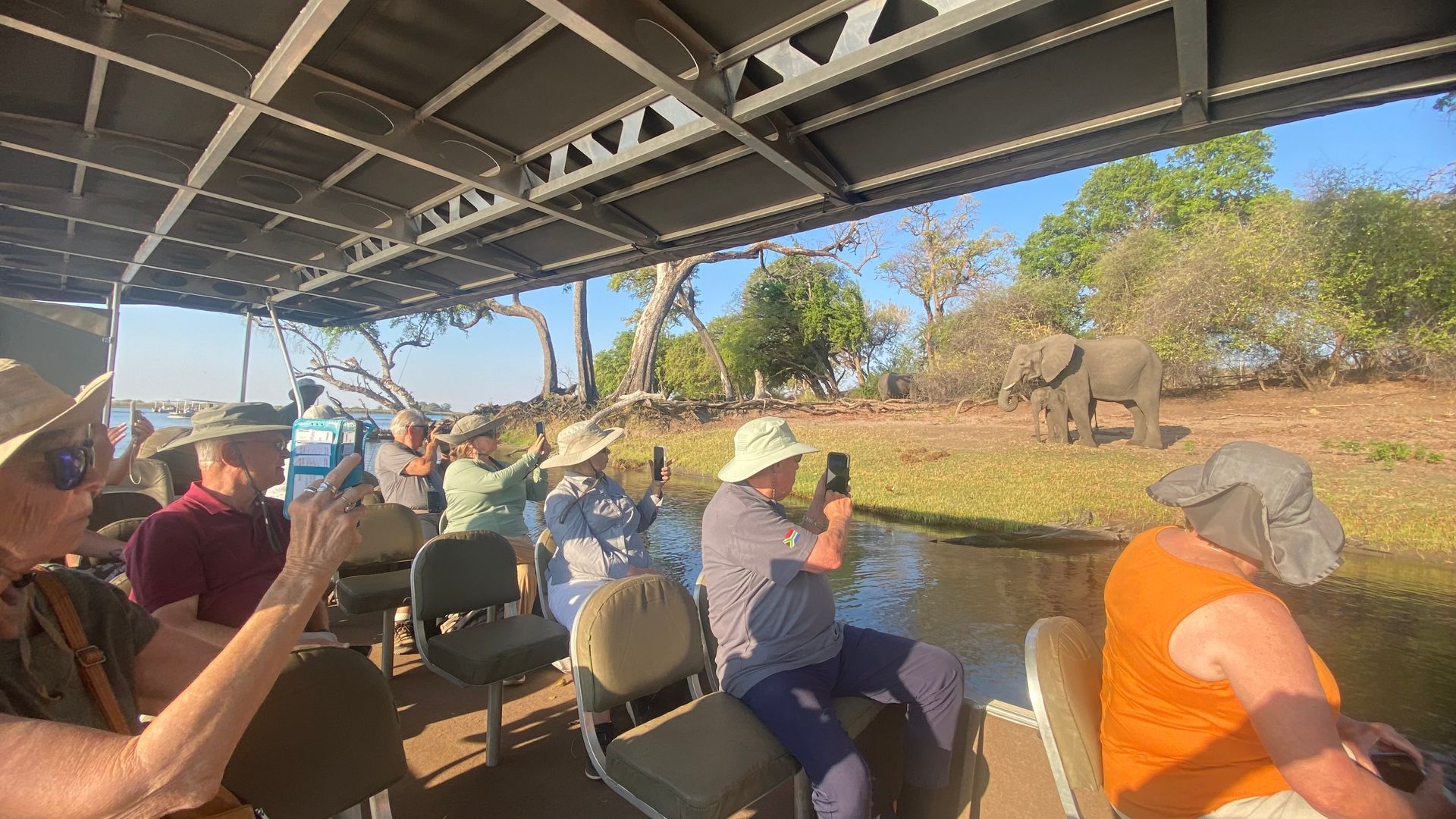
What Are the Most Common Problems When Planning a Safari With Friends?
Most difficulties begin long before anyone reaches Africa.
Leaving decisions too late
Small camps have limited rooms, and availability for an entire group disappears faster than availability for a couple. Peak seasons and milestone dates should be planned well in advance.
Choosing too many destinations
A map can make neighbouring regions look deceptively close. Repeated transfers, packing and flights reduce time in the wilderness. Fewer places with longer stays usually create a better rhythm.
Avoiding the budget conversation
Unspoken financial assumptions become uncomfortable once deposits are due. Agree on the budget range, inclusions and payment deadlines before anyone commits.
Assuming “private” means everything is exclusive
A private itinerary may include a private vehicle and guide while using shared camps, dining areas or scheduled activities. If your group wants an exclusive-use villa, private camp, separate aircraft charter or entirely private activities, say so explicitly.
Ignoring room arrangements
Friends do not always want to share rooms, and single-room availability can be limited. Confirm who is sharing, who needs their own room and what supplements apply at the beginning.
Making one friend responsible for everyone
One group contact is useful, but that person should not have to interpret every preference, chase every passport detail and mediate every payment. A professional planner should provide a clear process and communicate what is needed from each traveller.
How Far in Advance Should a Group Safari Be Booked?
A private group safari should ideally be planned 12 to 18 months ahead when travelling in a popular season, booking small or exclusive-use properties, or coordinating several rooms and international flight schedules.
It is sometimes possible to plan closer to departure, particularly in quieter seasons, but the group may have less choice and need more flexibility. Starting early does not mean every detail must be decided immediately. It means the most important elements—dates, route, camps and guiding—can be secured before availability dictates the journey.
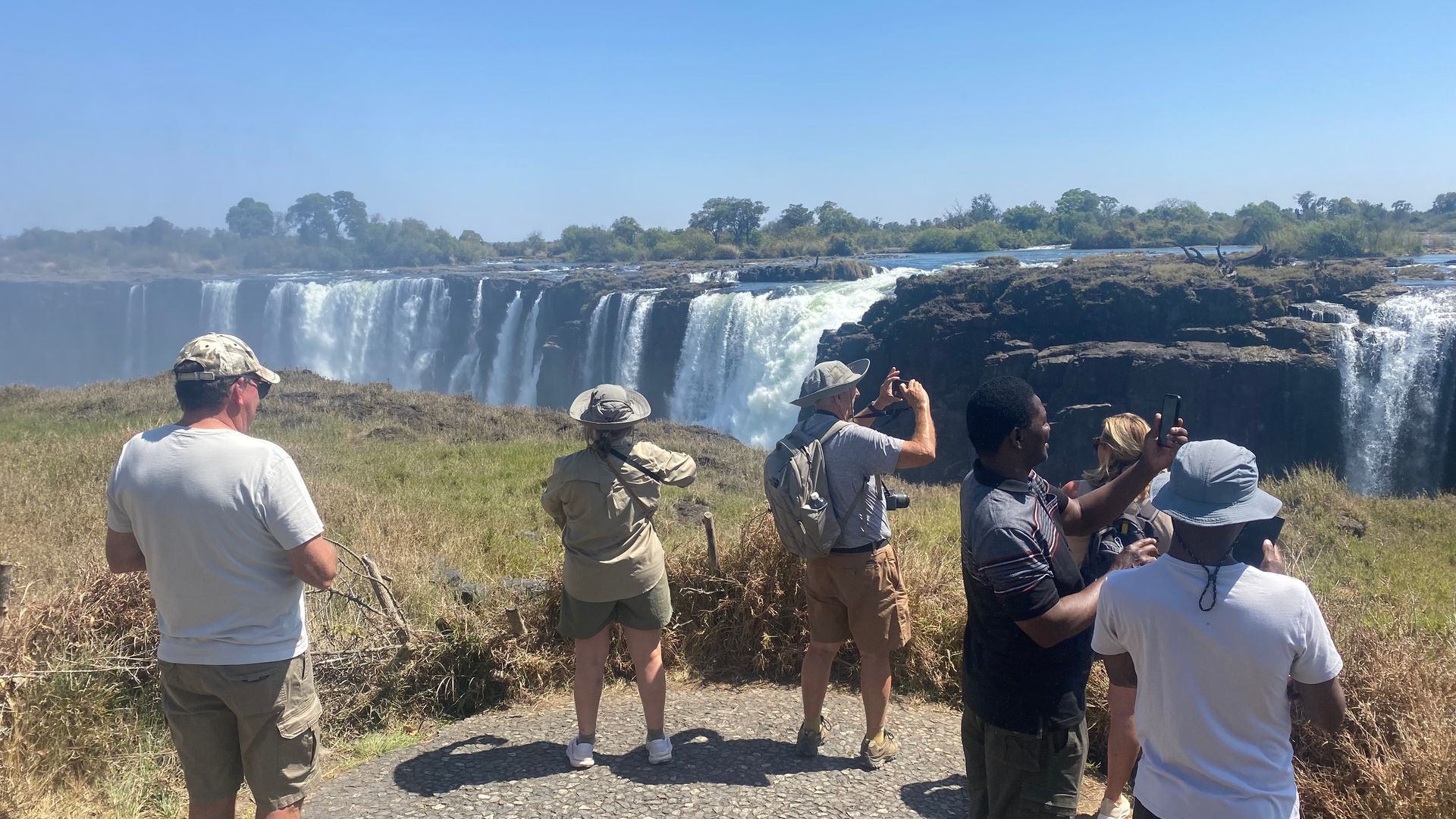
Who Should Organise the Group Safari?
Choose one or two friends to act as the group’s main contacts, but let an Africa-based safari specialist handle the itinerary and operational details.
The group representatives should collect the big decisions: likely dates, number of travellers, approximate budget, room requirements and the experience everyone hopes to have. The safari planner should then advise on destinations, seasons, camp choices, routing, activities, transfers and guiding.
At Martin Meyer Safaris, our recommendations are based on first-hand experience of travelling, guiding and working across Southern and East Africa. We consider not only which lodges look impressive, but how the complete journey will feel: travel time, camp position, guide quality, wildlife movement, group energy and the pace from one day to the next.
What Should Friends Agree on Before Requesting a Safari Proposal?
You do not need to arrive with a finished itinerary. In fact, it is often better if you do not. Agree on these essentials instead:
- Your approximate travel dates and how flexible they are.
- The likely number of friends travelling.
- A comfortable per-person budget range.
- Room-sharing preferences.
- The group’s three most important experiences.
- Any mobility, medical or dietary considerations.
- Whether you want a relaxed holiday, an intensive wildlife journey or a balance of both.
That is enough for a knowledgeable planner to begin shaping the right safari.
Start Planning Your Private Group Safari
The best safari with friends is not created by asking everyone to accept the same generic package. It begins by understanding what brought the group together, what each person needs and which experiences will still be talked about years later.
Tell us your approximate dates, group size, interests and budget—even if Africa is still only an idea being discussed in a very active WhatsApp group.
Martin Meyer Safaris will help you choose the right destination, season, camps and pace, then coordinate the journey from arrival to departure. You bring the friends. We will make Africa work around you.
Frequently Asked Questions About Private Group Safaris
Can we choose our own travel dates?
Yes. A private group safari is designed around your group’s preferred dates, subject to camp availability, seasonality and the wildlife experiences you want.
Will we share a safari vehicle with other guests?
Not when a private vehicle is included in your itinerary. Because arrangements differ between camps, your proposal should state clearly which drives and activities are private.
Can some friends skip an activity?
Usually, yes. Private arrangements provide more flexibility, although certain activities run at fixed times or require advance booking. Alternative plans can often be built into the itinerary
Can everyone pay separately?
Yes - we allow payments per room - please indicate this during the consultation process so that we can talk you through different payment options.
Can we celebrate a birthday or special occasion on safari?
Absolutely. Birthdays, anniversaries and friendship reunions can be incorporated through private dinners, special locations or exclusive-use accommodation, depending on the destination and budge
Is a private group safari only for luxury travellers?
No. “Private” describes how the journey is arranged, not a single accommodation level. A private safari can use comfortable tented camps, luxury lodges or a considered mixture of both.
Can a private group safari include more than one country?
Yes. Southern and East African countries can be combined, but border logistics, flight schedules and travel time must justify the addition. A seamless two-country journey is better than an ambitious itinerary that feels rushed.
Have you always dreamed of going on safari but don't know where to start ?
We offer a complimentary 1 hour safari consultation call to simplify the process.