50 Questions to Ask Before Going on a Photographic Safari
What should you know before going on a Photographic Safari ?
A photographic safari should suit the traveller’s interests, experience and expectations as well as the wildlife they hope to photograph. Before booking, it helps to understand the guiding, vehicle arrangements, photographic support and practical details behind the itinerary.
The right questions reveal how a journey will actually work. They also help distinguish a wildlife holiday with photographic assistance from a structured workshop or a specialist expedition.
These 50 questions cover the decisions that matter before choosing a photographic safari, preparing equipment and travelling.
For a journey combining wildlife photography in South Africa with Cape Town and Victoria Falls in Zimbabwe, the Martin Meyer Safaris photographic safari itinerary provides a starting point.

1. What Is a Photographic Safari?
A photographic safari is a journey that gives deliberate attention to photographic opportunities through its guiding, activities or itinerary. The term covers different formats, so travellers should establish how photography influences the actual experience rather than relying on the label alone.
2. How Is a Photographic Safari Different From a Regular Safari?
The difference may involve photographic guidance, vehicle arrangements, time at sightings or access to hides. These features vary between operators. Travellers should ask which specific arrangements distinguish the departure from a standard wildlife safari.
3. Is a Photographic Safari Suitable for Beginners?
It can be, provided the departure welcomes beginners and offers appropriate support. Guests should explain their experience and equipment before booking. A journey for mixed abilities may suit a beginner better than a workshop built around advanced techniques.
4. Can Experienced Photographers Join a Mixed-Ability Safari?
Yes, if the itinerary and photographic opportunities match their expectations. Experienced photographers should ask about working space, time at sightings and the extent of individual guidance. A mixed-ability group will still involve shared decisions about the programme.
5. Can a Non-Photographer Enjoy a Photographic Safari?
A non-photographer can enjoy the journey if the wildlife, destinations and pace appeal to them. Couples should discuss longer sightings, hide sessions and any teaching activities beforehand, rather than assuming that both partners want the same daily experience.
6. Is a Private or Small Group Photographic Safari Better?
A private photographic safari can suit travellers with specific goals or a strong preference for individual control. A small group departure can appeal to those who enjoy company and a shared itinerary. The right choice depends on expectations, arrangements and budget.
7. Who Will Guide the Photographic Safari?
Travellers should ask for the names and roles of the accompanying guides or hosts. It is useful to establish whether the person featured in the marketing will travel on the departure and what happens if that person becomes unavailable.
8. What Experience Does the Photographic Guide Have?
Relevant experience includes wildlife knowledge, photography and the ability to explain techniques clearly. Travellers should look beyond a portfolio and ask about guiding experience, familiarity with the destinations and support for guests at their own level.
9. Will the Same Guides Accompany the Entire Safari?
Guiding arrangements vary. Some hosts accompany the full journey, while local teams change between properties. Travellers should establish who remains with the group, who leads each activity and whether photographic support continues outside the wildlife portion of the trip.
10. What Photographic Tuition Is Included?
The answer should distinguish practical assistance during activities from scheduled lessons, image reviews and editing sessions. These are different services. Guests should explain their learning goals and confirm which forms of support are included in the departure.

11. Will the Guide Understand the Camera Equipment Being Used?
A guide may understand photographic principles without knowing every camera menu. Guests should provide their camera and lens details before travelling and ask about support. Familiarity with basic controls remains useful even when photographic assistance is available.
12. Are Image Reviews and Editing Lessons Included?
These should only be expected when specifically included in the programme. Travellers should ask whether reviews are informal or scheduled, whether editing software is required and whether they need to bring a laptop. Additional tuition may require separate arrangements.
13. How Many Guests Will Be on the Photographic Safari?
Travellers should establish the maximum group size and the number of accompanying hosts. They should also ask how the group divides between vehicles and activities. A small total group does not automatically explain how much individual assistance is available.
Martin Meyer Safaris limits guests to 6 per photographic group, with a private vehicle. Ensuring that each guest gets a window seat.
14. How Many Photographers Share Each Safari Vehicle?
The number of guests per vehicle affects working space and access to photographic positions. Travellers should ask for the actual planned occupancy, including guides and hosts, rather than relying on the vehicle’s maximum passenger capacity.
15. Does Every Guest Have a Clear View From the Vehicle?
Travellers should ask how seating and viewing positions work in the specific vehicle. A window seat, an open side and access to a raised viewing position offer different experiences. Clear information helps guests understand what to expect.
16. How Are Seats Rotated During a Photographic Safari?
Seat rotation policies vary and should be discussed before departure. Travellers should ask how positions are allocated and how equipment or mobility needs are considered. No seating arrangement can provide the ideal angle for every wildlife encounter.
17. Are Camera Supports Provided in the Safari Vehicle?
Beanbags, mounts and other supports should not be assumed. Guests should ask what is provided, whether it suits their equipment and whether they need to bring anything themselves. The answer may differ between vehicles, boats and hides.
18. How Long Can the Group Stay at a Wildlife Sighting?
Time depends on animal behaviour, access rules, other vehicles and the day’s programme. Photographic interest alone does not remove those constraints. Travellers should ask how guides balance photographic opportunities with shared arrangements and responsible wildlife viewing.
19. Is Off-Road Driving Allowed on the Safari?
Permission depends on the specific reserve or area and its rules. Travellers should ask what applies to their itinerary. A private vehicle does not automatically permit off-road access, and photographic positioning must remain within authorised operating practices.
20. How Does the Operator Protect Wildlife During Photography?
Guests should ask how guides manage approach distances, crowding, animal movement and signs of disturbance. They should also establish policies on attracting or manipulating subjects. An appealing photograph should come from responsible observation and appropriate conduct.

21. Does the Safari Include Photographic Hides?
Travellers should confirm whether hide sessions are included, optional or subject to separate booking. It is also useful to ask which hides are involved, how they fit into the itinerary and whether access is shared with other guests.
22. What Are the Photographic Hides Like?
Hides differ in seating, viewing height, access, facilities and photographic setup. Guests should ask for descriptions or photographs of the actual hides they will use. Features advertised at another reserve should not be assumed to apply.
23. How Long Does a Photographic Hide Session Last?
Session lengths depend on the hide and booked programme. Guests should ask about arrival and departure arrangements, toilet access and whether leaving early is possible. These practical details matter when remaining in one place for an extended period.
24. Is Wildlife Guaranteed at a Photographic Hide?
No. A hide creates an opportunity to observe from a fixed position, but animals may not appear during a particular session. Travellers should understand the likely subjects and seasonal conditions while allowing for quiet periods and unpredictable wildlife activity.
25. Are Night Photography and Flash Photography Allowed?
Night photography and flash use depend on the location, activity and applicable rules. Guests should confirm what is offered and permitted. A photographic itinerary does not automatically include night sessions, artificial lighting or permission to use flash.
The Martin Meyer Safaris photographic safari itinerary explains how wildlife activities and hide experiences fit into the broader journey.
26. What Camera Should Be Taken on a Photographic Safari?
The appropriate camera depends on the traveller’s goals, experience and ability to carry and operate it comfortably. Guests should discuss their existing equipment before buying a replacement. Familiar equipment can be more useful than an unfamiliar system with additional features.
27. What Lens Is Needed for Wildlife Photography?
Lens choice depends on subject size, distance, light and the camera system. Travellers should describe what they hope to photograph and ask for itinerary-specific advice. There is no single lens that is ideal for every wildlife and landscape opportunity.
28. Is a Smartphone Enough for a Photographic Safari?
A smartphone can record the journey and capture wider scenes, but distant wildlife and difficult light may present limitations. Guests planning to use only a phone should discuss their expectations and confirm how the departure’s photographic support applies to them.
29. Should Camera Equipment Be Bought or Rented for a Safari?
Renting may suit occasional equipment needs, while purchasing may make sense for continued use. Travellers should compare availability, familiarity, collection arrangements and rental conditions. Any unfamiliar equipment should be tested and practised with before the wildlife activities begin.
30. Is Camera Equipment Included in the Safari Price?
Equipment should only be considered included when the operator confirms it explicitly. Guests should ask what is available, whether it is shared, how it is reserved and what responsibility applies if it is damaged or lost.

31. Should a Second Camera Body Be Taken on Safari?
A second body may provide a backup or allow different lenses to remain mounted, but it also adds weight and complexity. The decision should reflect the guest’s experience, equipment value, luggage allowance and willingness to manage additional gear.
32. Is a Tripod Needed on a Photographic Safari?
A tripod’s usefulness depends on the activities and available working space. It may serve a different purpose during landscape photography than inside a shared vehicle. Guests should confirm suitable supports for each setting before packing bulky equipment.
33. How Much Camera Equipment Can Be Taken on Safari Flights?
Allowances depend on the airlines, aircraft and booked tickets. Travellers should check every flight sector, including cabin baggage restrictions. International allowances should not be assumed to apply to domestic, regional or small-aircraft flights within the itinerary.
34. How Can Cameras Be Protected From Dust and Water?
Guests should plan for the environments on their actual route and bring suitable protective storage and cleaning equipment. Wildlife drives, coastal outings and waterfall visits create different challenges. Equipment described as weather-resistant should not be treated as waterproof.
35. How Should Safari Photographs Be Backed Up?
Travellers should choose a backup method they understand and can use during the journey. Available power, storage capacity and connectivity affect the options. A backup should create a separate copy of important files rather than simply move them off a memory card.
36. Will There Be Reliable Charging Facilities?
Guests should confirm charging access at each accommodation and whether facilities are available during activities. They should also check plug requirements and battery needs. Vehicle charging and unrestricted power access should not be assumed unless confirmed.
37. What Should Be Practised Before a Photographic Safari?
Useful preparation includes focusing, reviewing images, locating essential controls and managing batteries and storage. Guests can also practise photographing movement and noticing backgrounds. Knowing the equipment makes it easier to use advice during a wildlife encounter.
38. What Camera Settings Should Be Used on Safari?
Settings depend on movement, light, equipment and the intended image. A fixed recipe will not suit every encounter. Guests should ask for help understanding which adjustments matter in a given situation, rather than expecting one setting to work throughout the trip.
39. When Is the Best Time for a Photographic Safari in South Africa?
The best timing depends on the reserve, photographic subjects and wider itinerary. Travellers should discuss seasonal conditions in each destination. A month suitable for one photographic objective may offer different conditions elsewhere on the same journey.
Martin Meyer Safaris Photographic Journeys are scheduled on low/shoulder season. This means less congestion at wildlife sightings. Many operators will push for peak period departures, stating that the wildlife sightings are better, but a good private guide will find the wildlife for you.

40. How Many Days Are Needed for a Photographic Safari?
The appropriate duration depends on how much wildlife time, travel and other photography the itinerary includes. Guests should count full photographic days as well as total nights. A longer holiday can still contain only a short wildlife stay.
41. How Much of the Itinerary Is Dedicated to Wildlife Photography?
Travellers should separate wildlife activities from city visits, landscape photography, transfers and arrival days. This helps distinguish an intensive wildlife trip from a broader photographic holiday. Both can be rewarding when the balance matches the guest’s interests.
42. Can a Photographic Safari Include Cape Town and Victoria Falls?
Yes, a broader itinerary can combine wildlife photography in South Africa with Cape Town and Victoria Falls in Zimbabwe. Guests should check the time allocated to each area and how international and regional travel arrangements connect the destinations.
43. How Physically Demanding Is a Photographic Safari?
The demands depend on vehicle access, walking, uneven surfaces, hide arrangements and equipment weight. Guests should describe any practical needs before booking. Specific information about the itinerary is more useful than a general statement that a safari suits everyone.
44. Can Guests Skip an Activity or Take Time to Rest?
This depends on the day’s programme and location. Remaining at the accommodation may be possible when the group returns there, but transfer days require different arrangements. Guests should ask what flexibility exists and whether alternative activities involve additional costs.
45. How Much Does a Photographic Safari Cost?
Cost depends on accommodation, trip length, guiding, transport, group size and specialist activities. Travellers should compare the full experience and confirmed inclusions. A low headline price may exclude arrangements that another departure includes.
46. What Is Included and Excluded in the Safari Price?
A clear quotation should identify accommodation, meals, drinks, guides, activities, transfers and flights. Travellers should also check items such as equipment hire, optional outings and gratuities. Unclear inclusions should be resolved in writing before booking.
47. Can Solo Travellers Book Their Own Room?
Single-room arrangements vary between departures and may involve a supplement or limited availability. Solo travellers should establish the total price and whether any advertised rate assumes room sharing. Shared activities do not automatically require shared accommodation.
48. Is the Photographic Safari Departure Guaranteed?
Published dates do not necessarily mean a departure is confirmed to operate. Travellers should ask about minimum booking numbers, the confirmation deadline and the options if the trip does not proceed. This should be clear before committing to connected travel arrangements.
49. What Are the Payment and Cancellation Terms?
Guests should review deposit requirements, balance deadlines, cancellation charges and arrangements if the operator changes the trip. Equipment hire and independently booked flights may have separate terms. All relevant conditions should be available before payment.
50. What Insurance and Travel Documents Are Needed?
Requirements depend on the traveller’s circumstances, destinations and activities. Guests should check current official entry information and appropriate insurance arrangements, including how photographic equipment is covered. An operator can explain the itinerary, while policy providers must confirm the scope of cover.

Explore a Photographic Safari With Martin Meyer Safaris
The Southern Africa Photographic Safari 2027 with Martin Meyer Safaris brings together wildlife photography at Karongwe, Cape Town’s city and coastal subjects, the Cape Winelands and Victoria Falls in Zimbabwe.
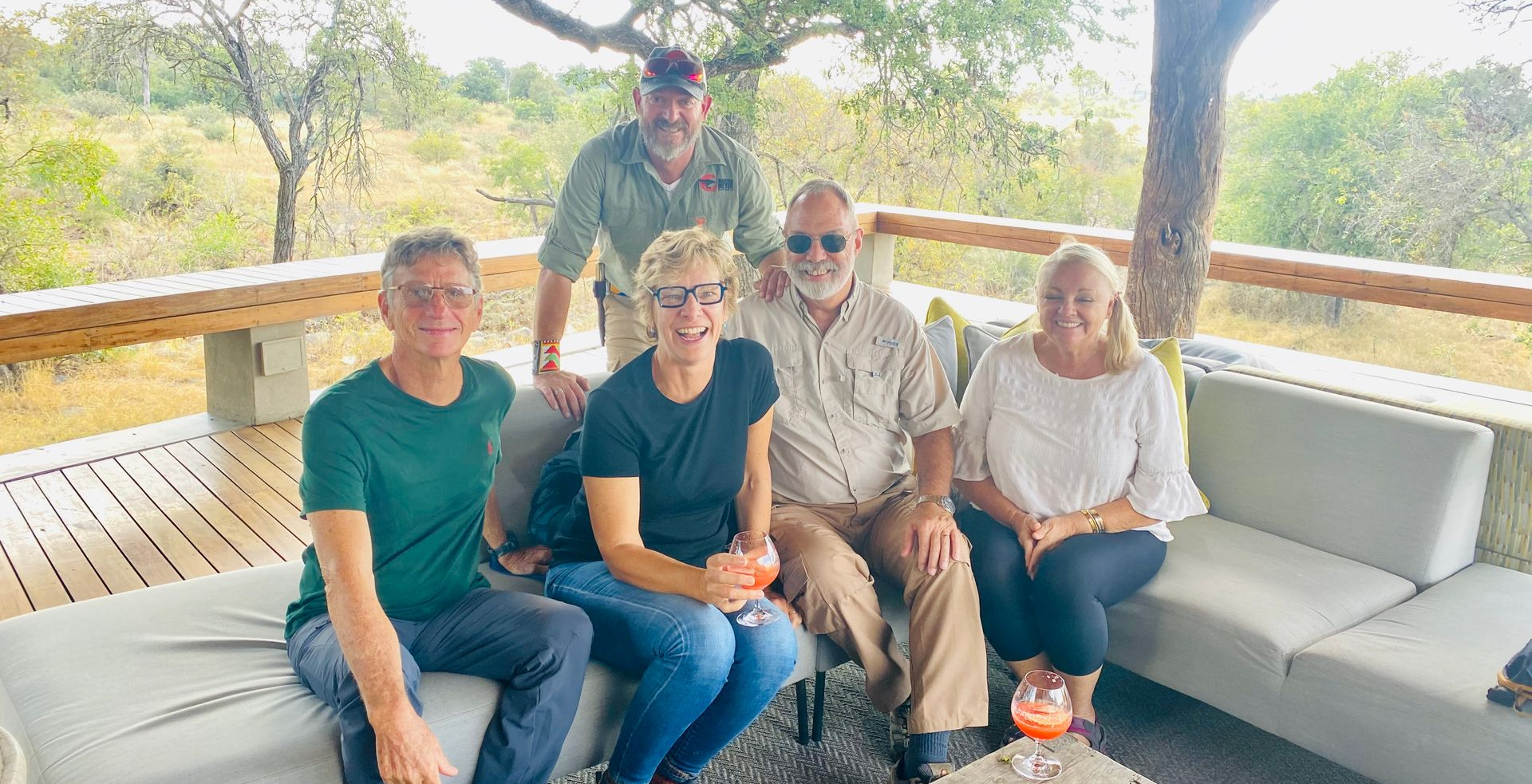
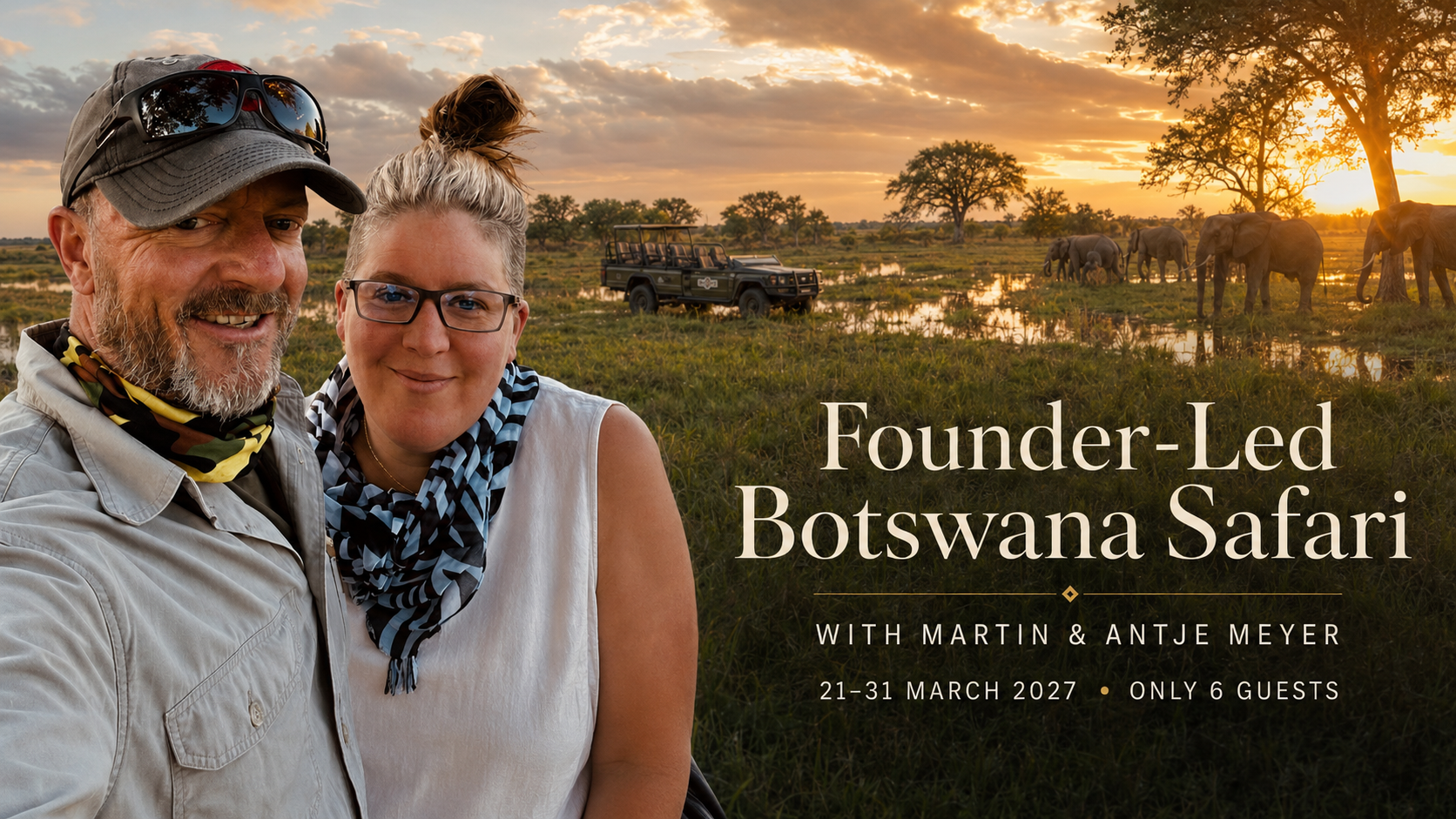
Martin Meyer and Antje Mouton accompany the journey, combining wildlife guiding, photographic assistance and practical support. The itinerary welcomes a range of photographic experience levels and non-photographing partners who enjoy the programme.
Prospective guests can use these questions to review the departure and identify the details that matter most to them. Sharing their equipment, interests and expectations helps Martin and Antje explain whether the journey is the right fit.
View the complete photographic safari itinerary and enquire with Martin Meyer Safaris.
Have you always dreamed of going on safari but don't know where to start ?
We offer a complimentary 1 hour safari consultation call to simplify the process.