Photographic Safari Guide: Why Expert Guiding Matters
Photographic Safari Guides : How the Right Team Shapes your Safari
Photographic safari guides help you turn wildlife encounters into photographic opportunities through an understanding of animal behaviour, light, positioning and timing. When complementary guides accompany you across carefully chosen destinations, that support extends into a more varied and personally rewarding journey.
A memorable photograph often begins before the camera reaches your eye. It begins with noticing a change in behaviour, recognising a promising background or understanding why a quiet scene deserves another few minutes.
The itinerary matters just as much. Time in a wildlife reserve, access to photographic hides and the contrast of coastal scenery or waterfalls all influence the photographs you can make and the holiday you experience.
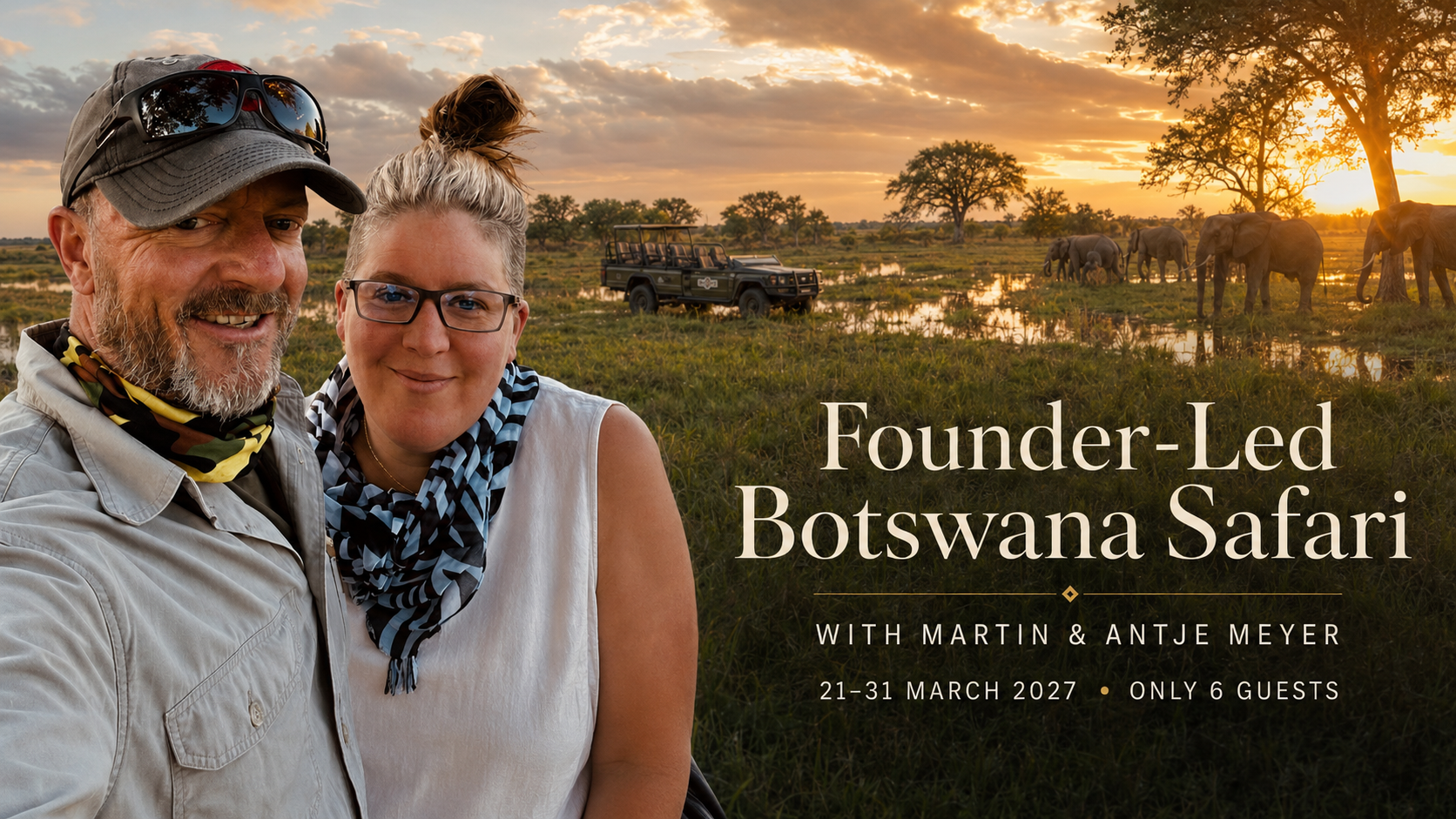
At Martin Meyer Safaris, Martin and Antje bring together wildlife interpretation, practical photographic support and personal attention. Our approach gives photographers room to pursue their interests while enjoying the places, people and experiences around them.
Explore our South Africa and Victoria Falls photographic safari.
What Does a Photographic Safari Guide Do?
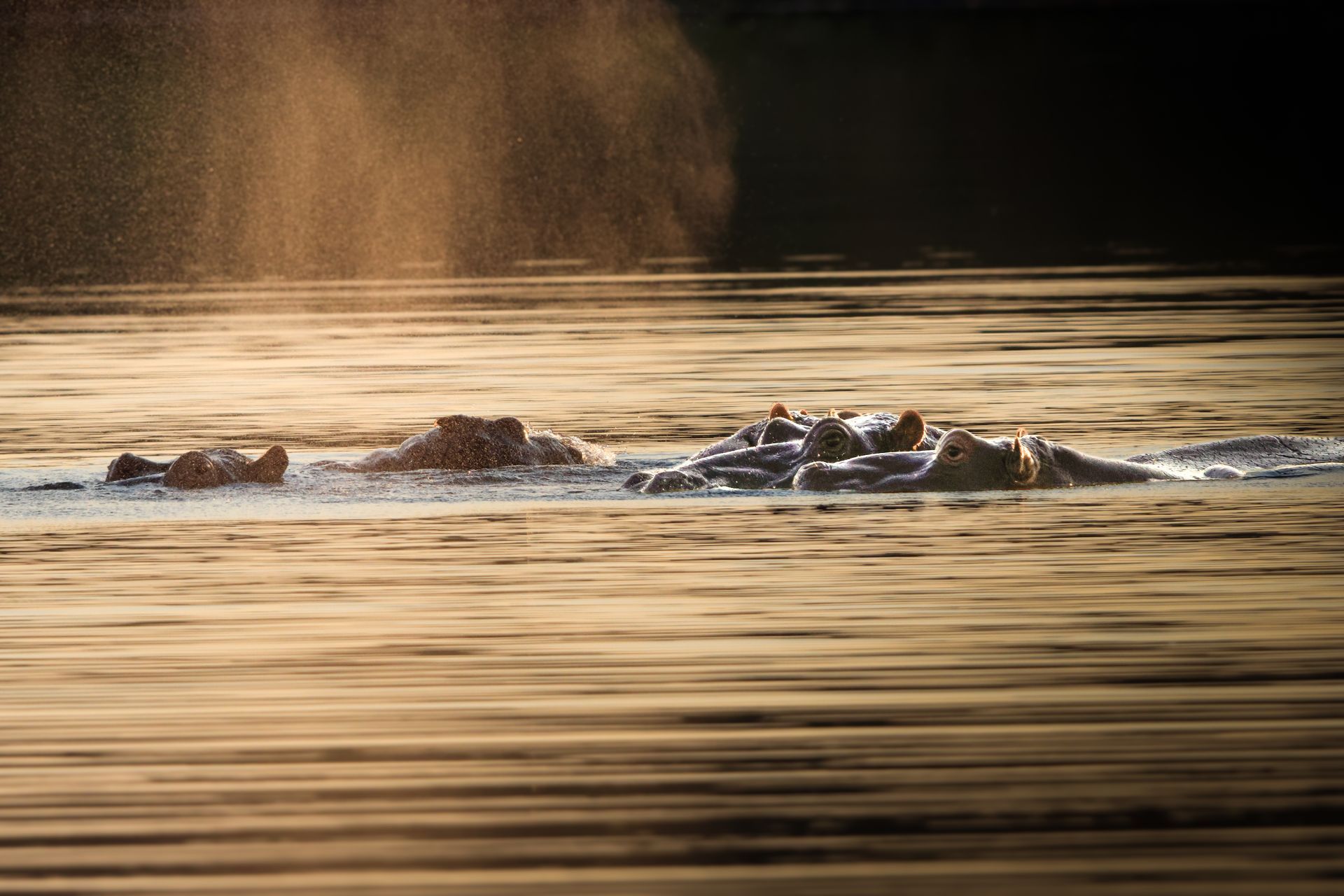
A photographic safari guide helps guests recognise, anticipate and photograph opportunities in the field. This includes interpreting animal behaviour, considering light and backgrounds, communicating photographic possibilities and helping guests prepare as a sighting develops.
Finding an animal is only the beginning.
A subject might be partly hidden, facing away or resting against a distracting background. An interaction may be developing beyond the animal you are watching. The interesting photograph could be a wider scene rather than the closest possible portrait.
An experienced guide helps you assess those possibilities. Sometimes there is an opportunity to change position. Sometimes the best decision is to remain still and observe.
Every decision must respect wildlife, reserve rules, access and other visitors. Photographic guiding involves recognising what is possible within those conditions.
The support also needs to suit the guest. One photographer may want assistance with focus settings. Another may prefer to discuss composition. Someone confident with their equipment might primarily value wildlife interpretation and an informed conversation about what could happen next.
Photographic Safaris With Two Guides: What Are the Benefits?
Two guides can provide complementary expertise, more capacity to assist guests and continuity throughout a photographic holiday. The benefit depends on how their skills work together and how clearly those skills serve the people travelling with them.
During a sighting, several things can need attention at once. An animal is moving, a guest wants help with an adjustment and another photographer is trying to anticipate an interaction. A complementary team creates more opportunity to support those different needs. It also brings different ways of observing the same scene.
For Martin and Antje, that partnership combines wildlife knowledge, photographic support and the experience of looking after guests across a complete journey.
Wildlife Guiding and Animal Behaviour With Martin Meyer
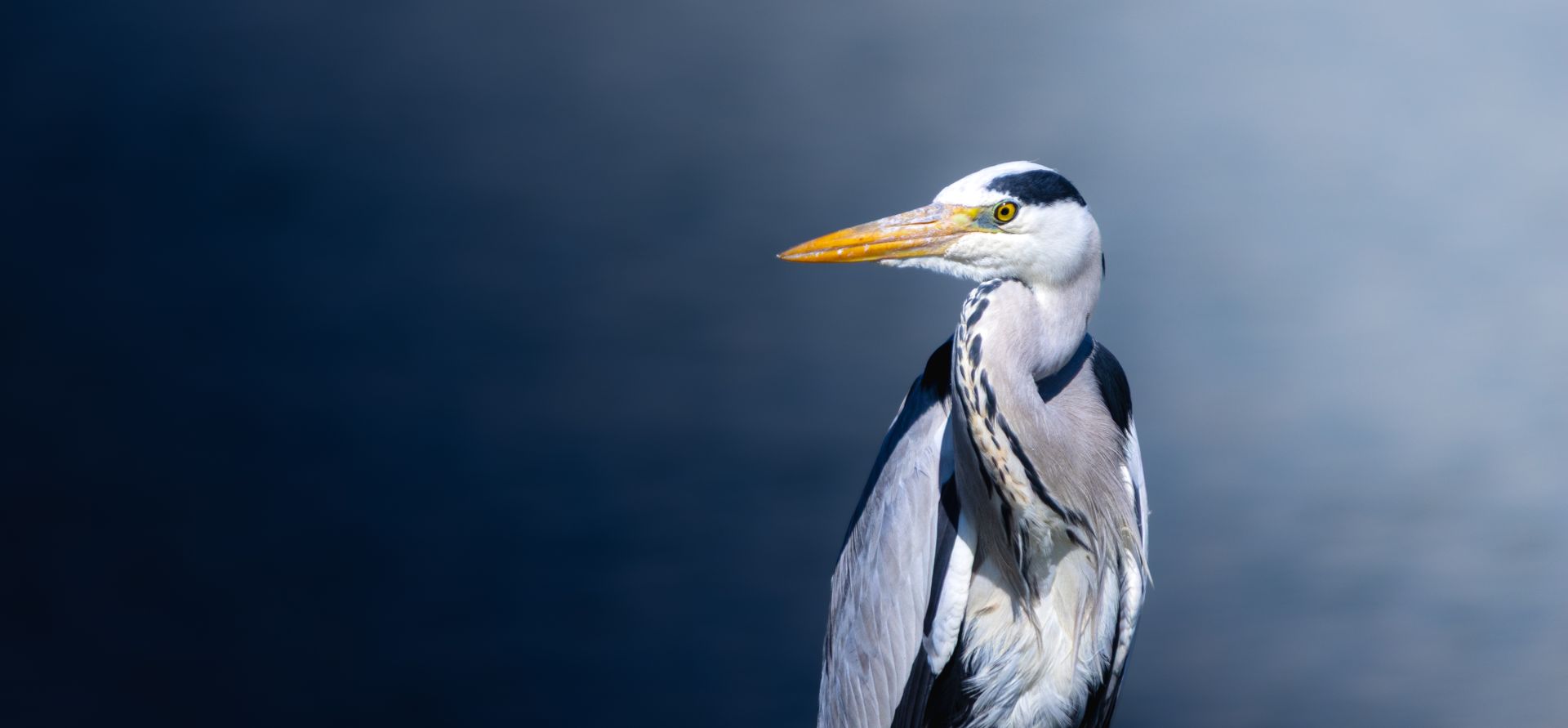
Martin brings more than two decades of guiding experience to understanding wildlife and its surroundings. His role extends beyond identifying what you are looking at. He helps explain what is happening, how the environment influences behaviour and which details may be worth watching. For photographers, that context can change the way a sighting is approached. You might prepare for movement, widen your composition to include another animal or spend more time observing an interaction. Martin also brings with him, over 2 decades of professional photography for Magazines, and various print media.
Wildlife remains unpredictable. Experience helps you recognise possibilities and respond thoughtfully when they arise.
Meet Martin Meyer and discover his approach to private guiding.
Photographic Support With Antje Mouton
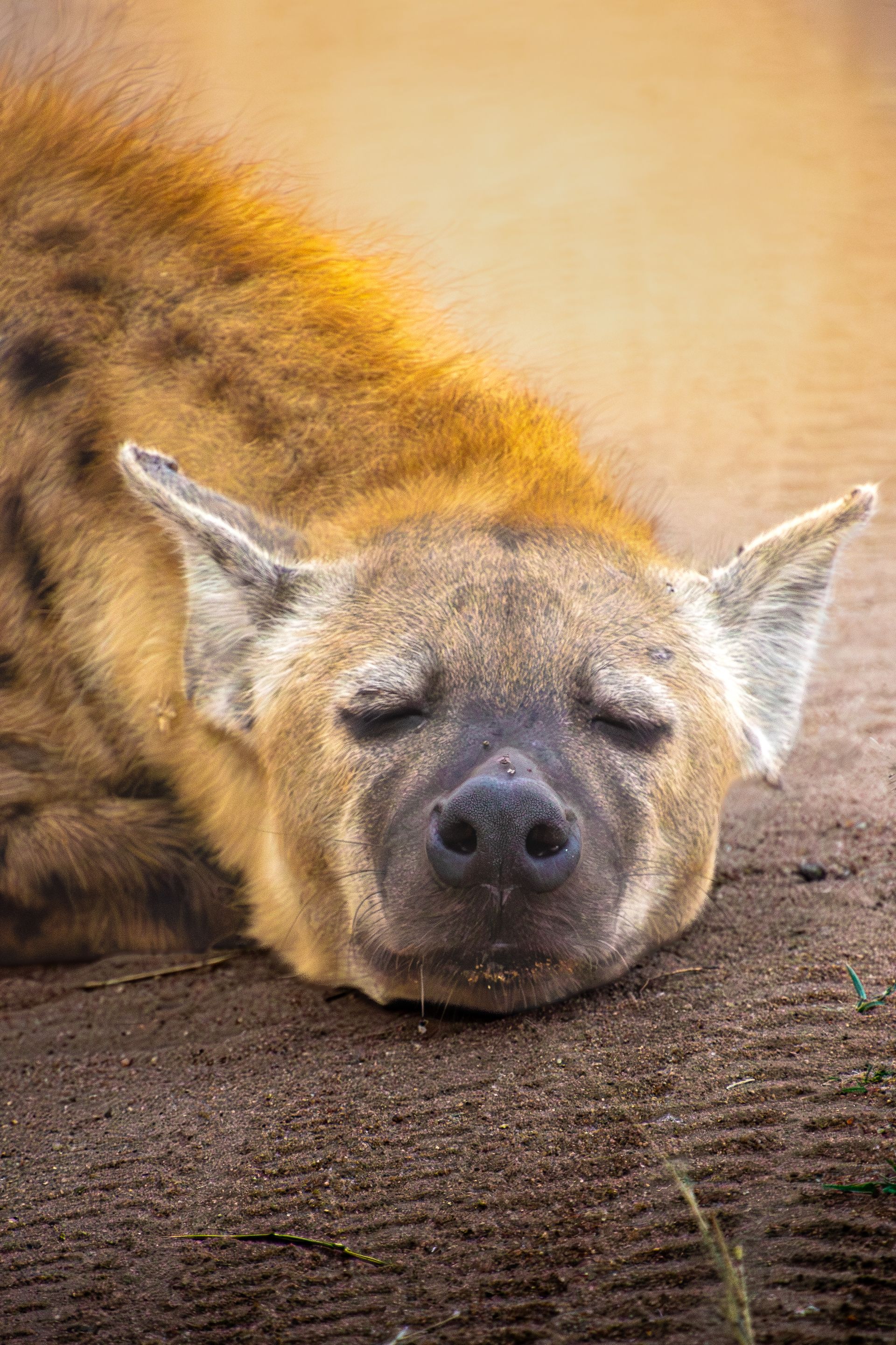
Antje provides practical photographic support alongside extensive experience in safari planning and operations. Her assistance can include working through camera settings, considering composition and exploring different ways to photograph a subject. The aim is to help guests become more confident in their decisions and make the most of the equipment they bring.
That support varies with the photographer. An experienced guest may enjoy discussing an alternative interpretation of a scene. Someone newer to photography may appreciate help simplifying the process.
Antje also understands the wider holiday. Personal attention, organisation and an awareness of how guests are enjoying the journey remain part of the experience.
Meet Antje Mouton - the resident inhouse Photographer at Martin Meyer Safaris
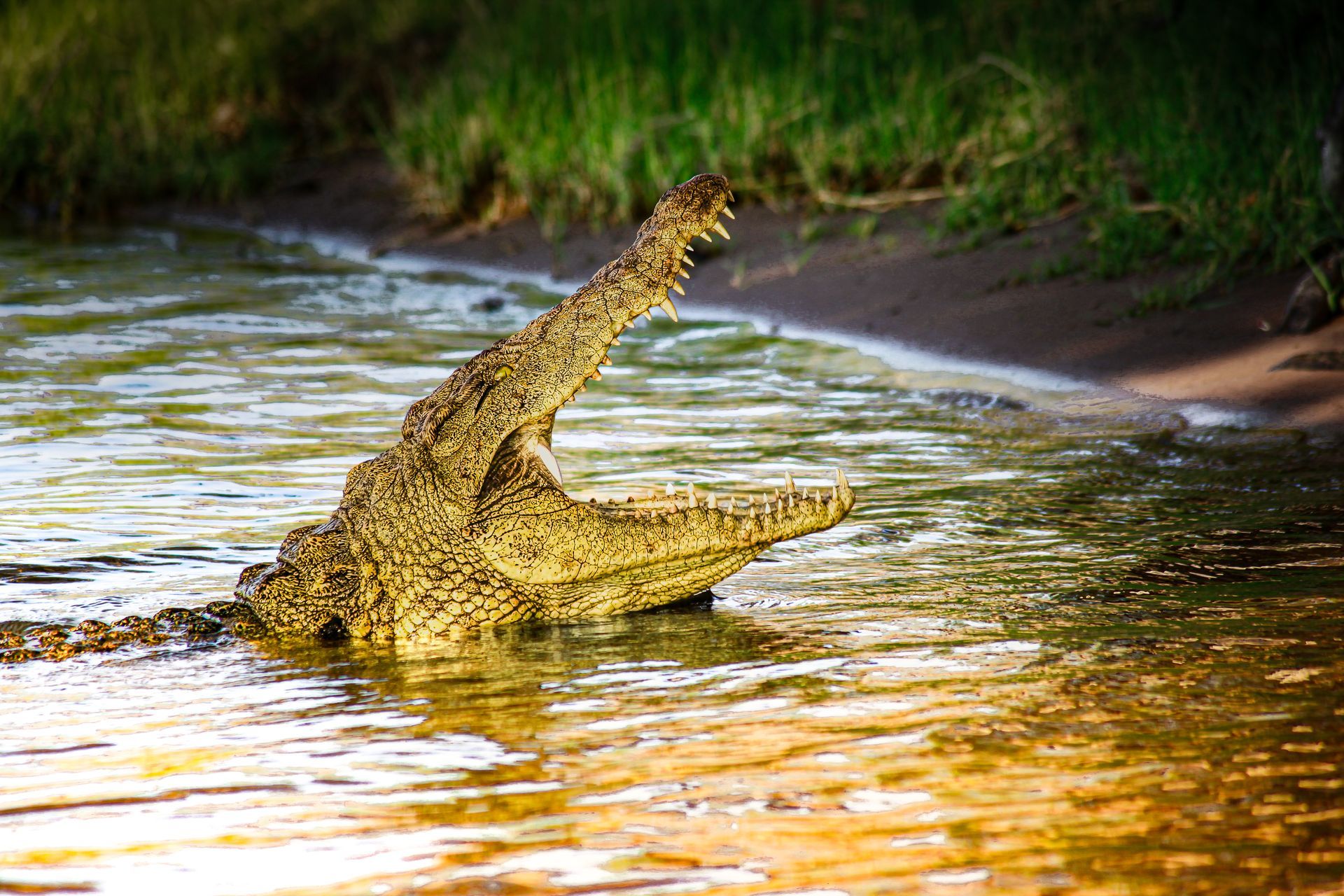
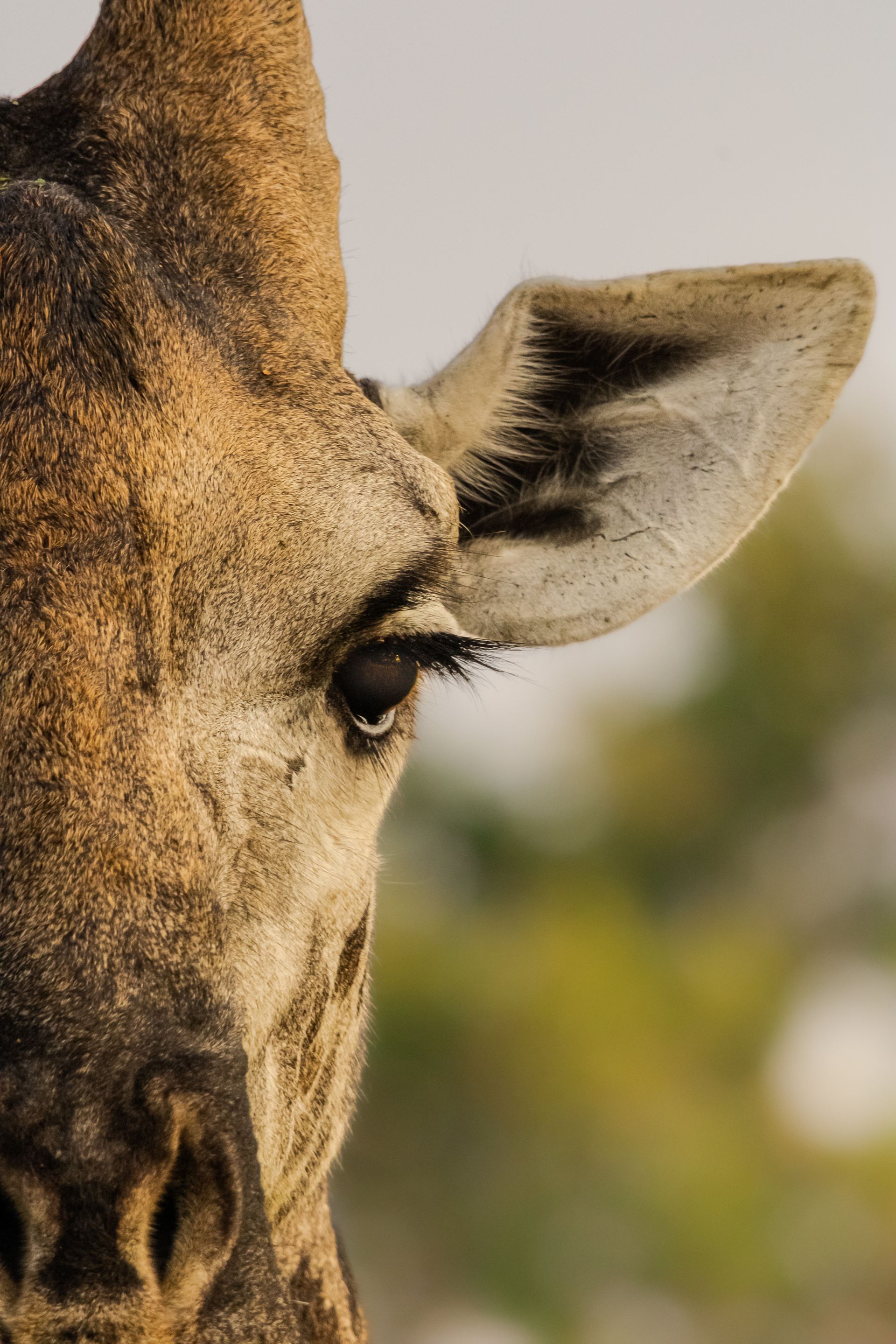
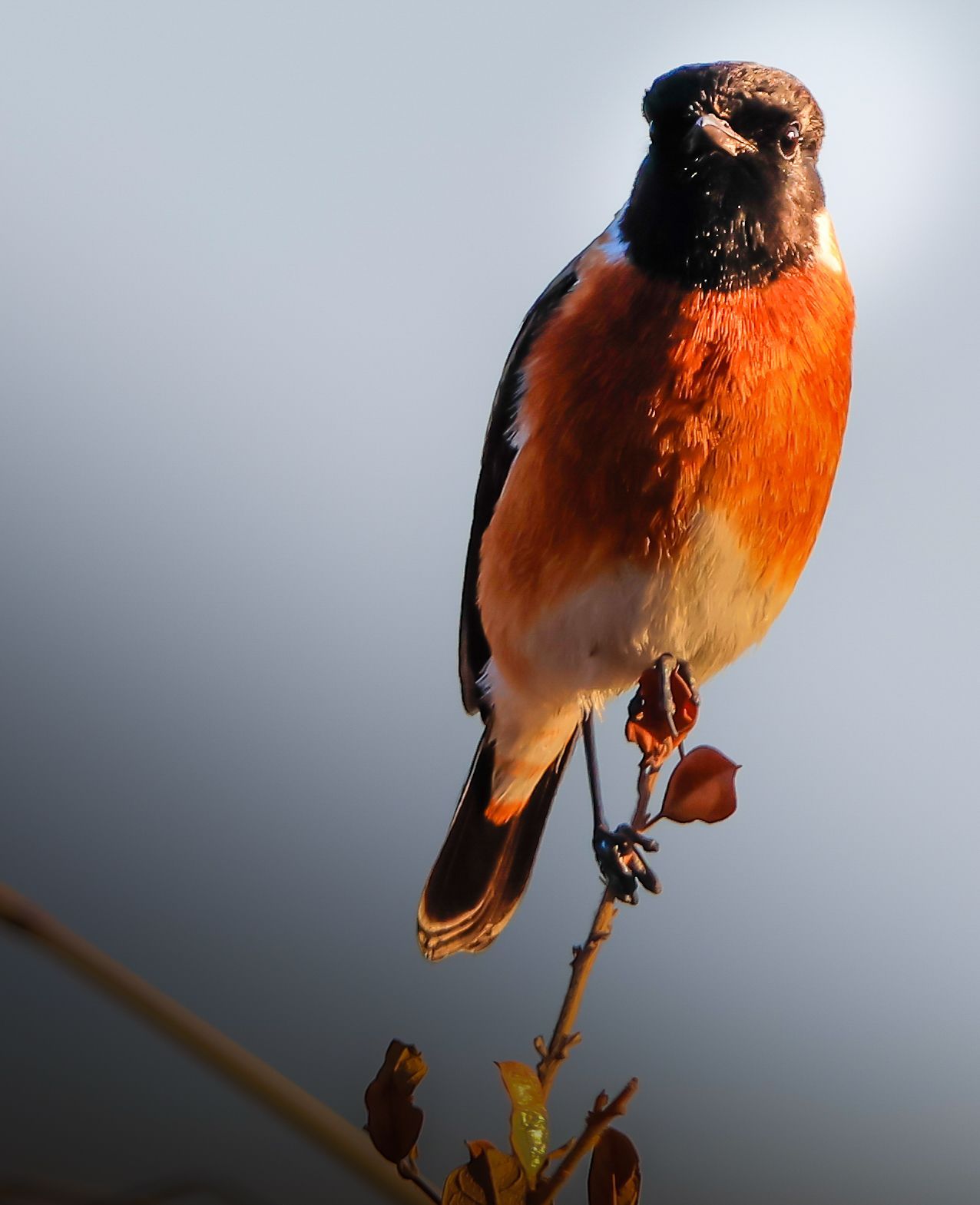
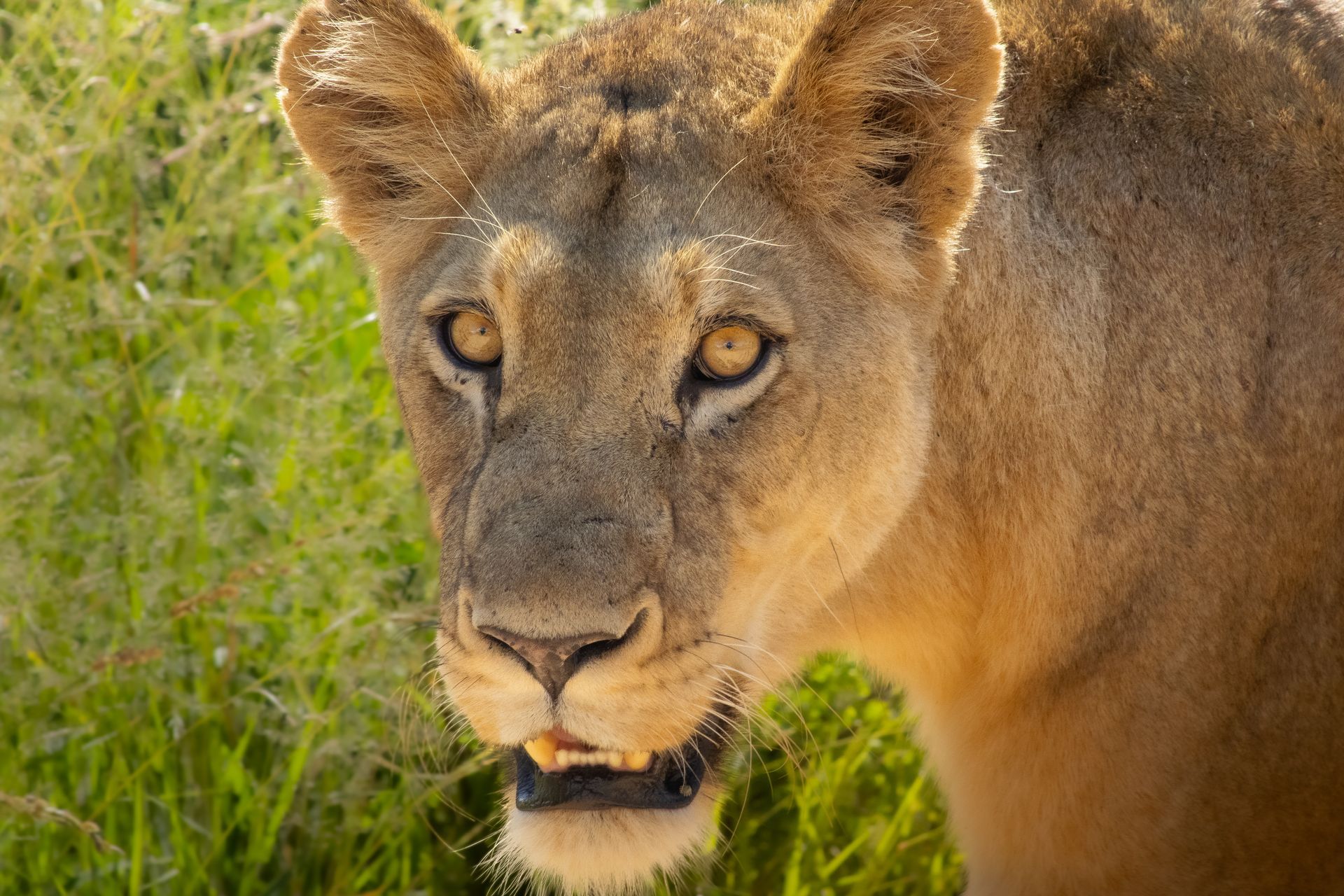
Is a Privately Guided Photographic Safari Worth It?
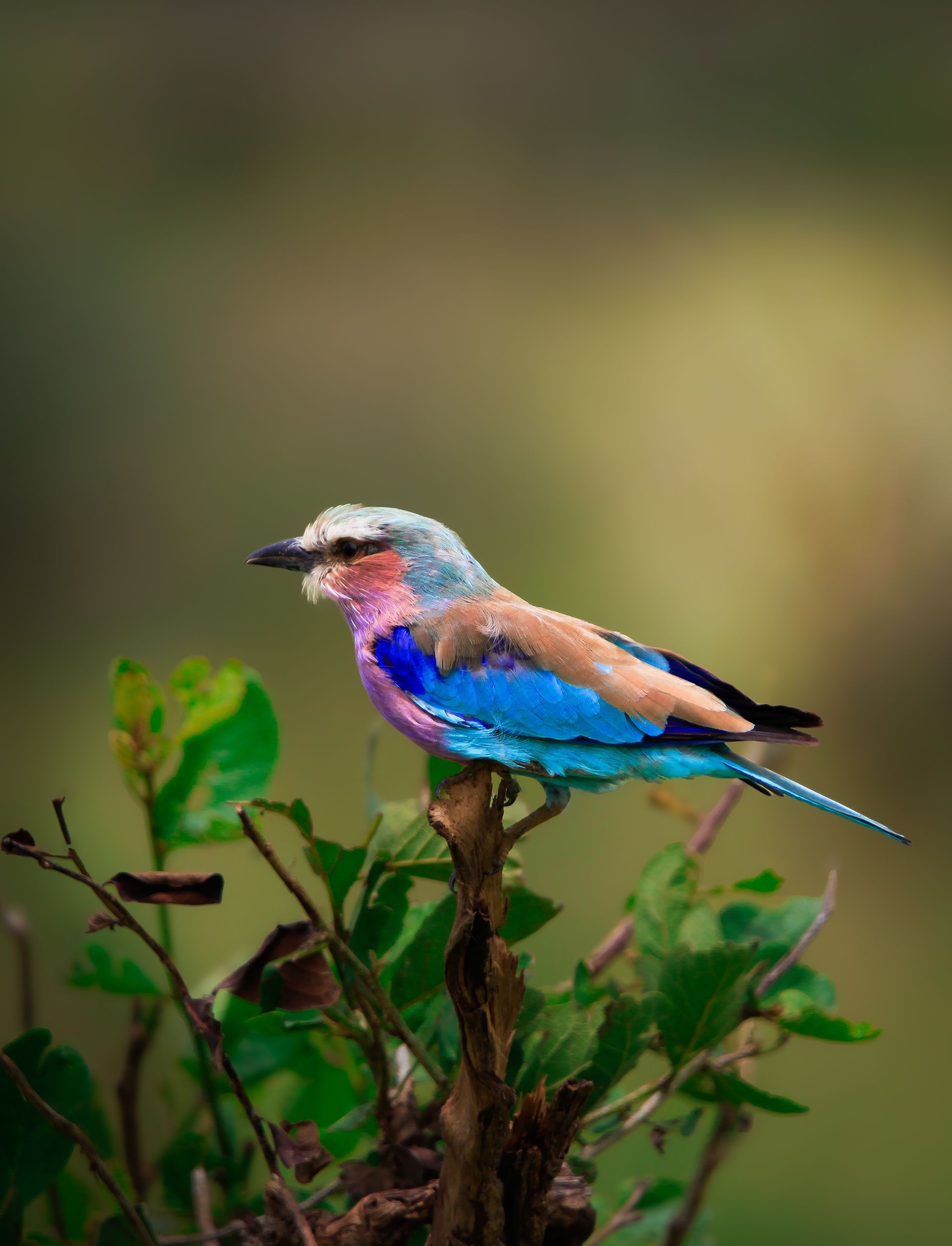
A privately guided photographic safari can be worth the additional cost when you value wildlife interpretation, photographic support and continuity throughout your journey. Its value depends on the guiding, time and arrangements included, and how well those match your interests.
Experienced photographers may benefit most from local knowledge, anticipation and a guide who understands their intentions. Newer photographers may place greater value on practical assistance and the confidence to ask questions.
Knowing your camera well does not mean knowing the environment or the behaviour unfolding in front of you. Equally, being new to photography does not prevent you from enjoying a thoughtful, well-supported safari.
Consider what would improve your experience. More informed observation? Help when conditions change? Someone who understands why you want to wait? Those are useful reasons to choose specialist guiding.
Explore what a private safari guide adds to a journey.
Why Travel With the Same Private Safari Guides Throughout?
Travelling with the same private safari guides allows an understanding of your interests, confidence and preferences to develop over time. That understanding can carry between destinations, giving the journey greater continuity.
You may discover that you enjoy animal behaviour more than portraits, or that landscape photography interests you more than expected. Perhaps you prefer occasional assistance while working independently for much of the day.
As those preferences become clear, the support can become more relevant.
Continuity matters beyond photography, too. You travel with people who understand the full itinerary and remain involved as you move between the bush, the city and your next destination.
On our accompanied journeys, Martin and Antje build that relationship across the holiday.
Learn more about our privately guided safaris.
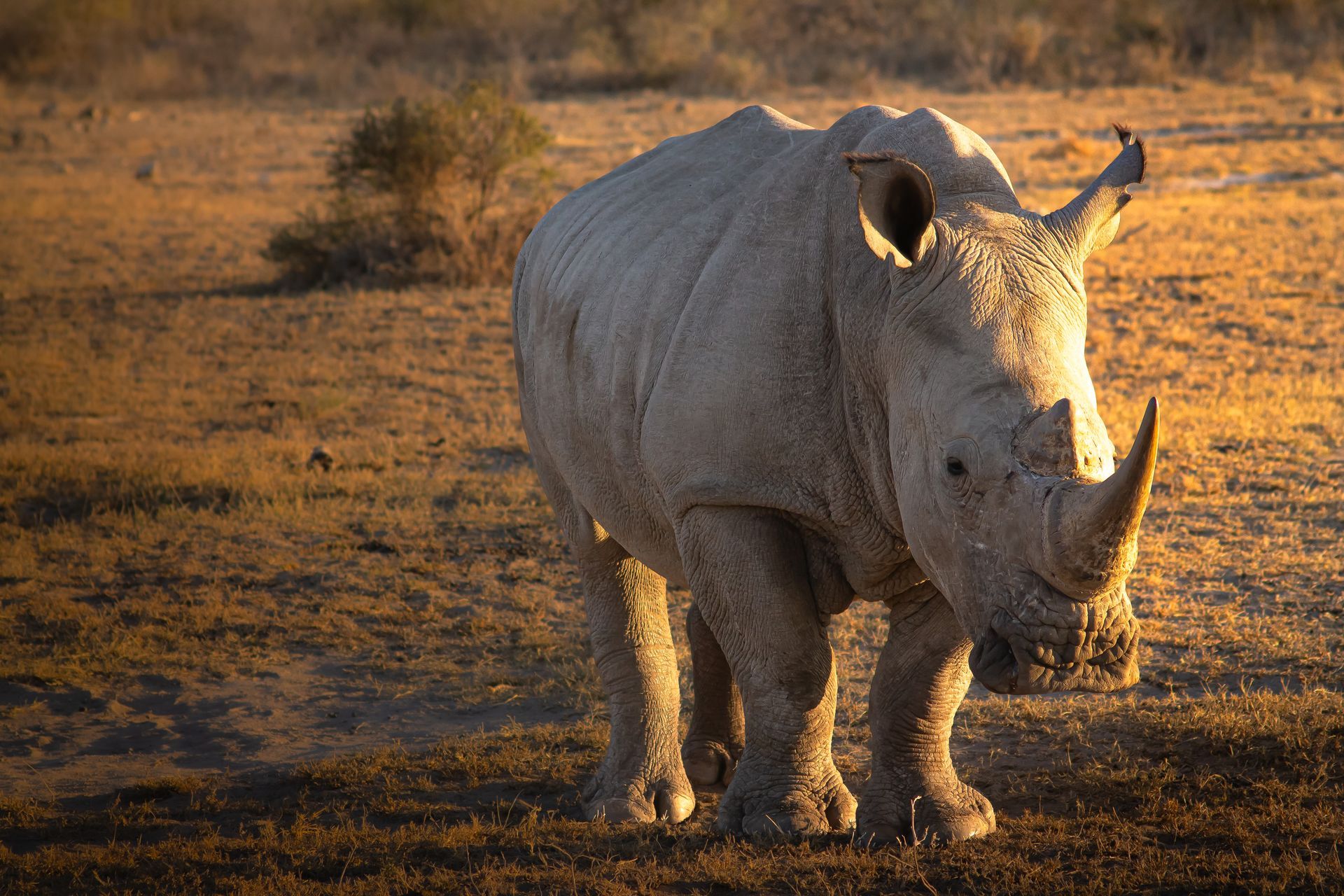
South Africa Photographic Safaris: Wildlife, Landscapes and Location
A well-balanced South Africa photographic safari gives each destination a purpose. Wildlife, landscapes, viewpoints and time on the ground should work together to create an enjoyable journey with varied photographic opportunities.
More destinations do not automatically produce a better holiday. Frequent moves can reduce the time available to observe, become familiar with a place and enjoy what brought you there.
Several nights in one wildlife reserve provide repeated opportunities under changing conditions. Adding Cape Town introduces different subjects and a new pace. Continuing to Victoria Falls adds another distinct landscape.
Photographic Hides in South Africa: What Do They Add to a Safari?
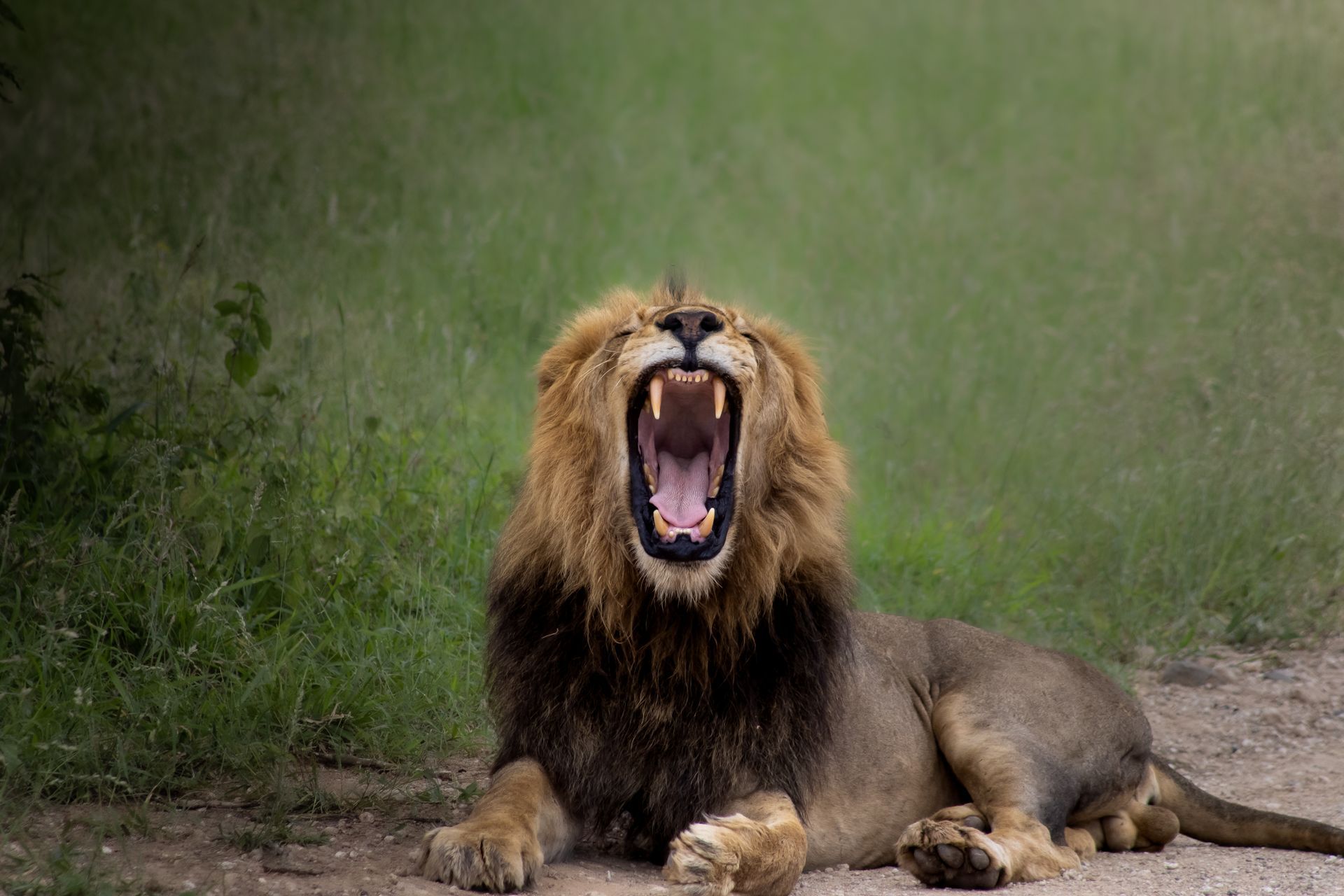
Photographic hides complement game drives by allowing you to observe a particular setting from a fixed position. Depending on their design, they can offer low viewpoints and opportunities to photograph wildlife drinking, approaching water or interacting nearby. A game drive takes you through the landscape in search of encounters. A hide invites you to settle into position and watch what develops.
That change in approach can encourage patience and closer observation. It may also produce photographs with a very different perspective from those made in a vehicle.
The orientation of a hide is an important detail. At Becks Safari Lodge, two photographic hides provide complementary opportunities: one is designed for morning photography and the other for afternoon photography.
This illustrates why accommodation choices should consider photographic opportunities alongside comfort and hospitality. The facilities need to contribute meaningfully to the experience.
Wildlife arrives on its own terms, and hide access should be confirmed within the arrangements for your journey.
Combining a Photographic Safari With Cape Town
Cape Town adds coastal scenery, mountain landscapes, architecture and city life to a photographic safari. It suits travellers who enjoy varied subjects and companions who appreciate experiences beyond wildlife photography.
The change of setting encourages a different way of looking.
In the bush, you may be following movement and anticipating behaviour. In the city, you can study colour, shape and detail. Along the coast, you might work with the relationship between rocks, ocean and sky.
There is also time to enjoy the place itself: its food, history, wine and atmosphere. A photography holiday should offer experiences worth remembering whether or not you photograph them.
Cape Town Photography: Table Mountain, Bo-Kaap and Street Art
Table Mountain offers an opportunity to see Cape Town within its wider landscape, weather permitting. The Bo-Kaap brings colour and architectural detail, while a graffiti walking tour introduces another perspective on the city.
Look beyond the broad view. A doorway, a pattern or the relationship between neighbouring buildings may offer a stronger composition than trying to include everything at once.
The Bo-Kaap is a living neighbourhood. Approach people respectfully and ask permission before making someone the subject of a photograph.
Cape Peninsula Photography: Cape Point, Boulders and Misty Cliffs
The Cape Peninsula combines coastal landscapes with opportunities to photograph African penguins at Boulders.
At Cape Point and Misty Cliffs, consider how the shoreline, waves and horizon work together. At Boulders, watch for gestures and interactions as well as individual portraits.
Conditions influence the mood of these scenes. Bright skies, cloud and moving water offer different possibilities, making flexibility a useful part of the experience.
Cape Winelands Photography: Vineyards, Mountains and Architecture
The Cape Winelands add vineyard patterns, mountain settings, buildings and smaller details to your photographic collection.
They also bring a different rhythm to the holiday. There is room to enjoy a tasting, a conversation and the surroundings without treating every stop as an assignment.
Our March departure includes a Winelands touring day with three tastings, alongside dedicated city and Cape Peninsula days.
Adding Victoria Falls to Your Photographic Safari
Victoria Falls adds waterfall photography and a dramatic change of atmosphere to a southern African journey. Its appeal lies in the scale of the landscape and the changing relationship between water, spray and visibility.
Seasonal conditions affect what you can photograph. Around March, powerful flow and heavy spray can create atmospheric scenes while obscuring parts of the waterfall from the walking viewpoints.
More water does not necessarily mean clearer views. It creates a different experience.
Prepare to protect your equipment from moisture and work with the conditions. Sometimes the photograph is a broad scene; sometimes it is a partial glimpse through mist.
Thoughtful regional selection considers these differences in advance. Each destination should add something meaningful to the journey.
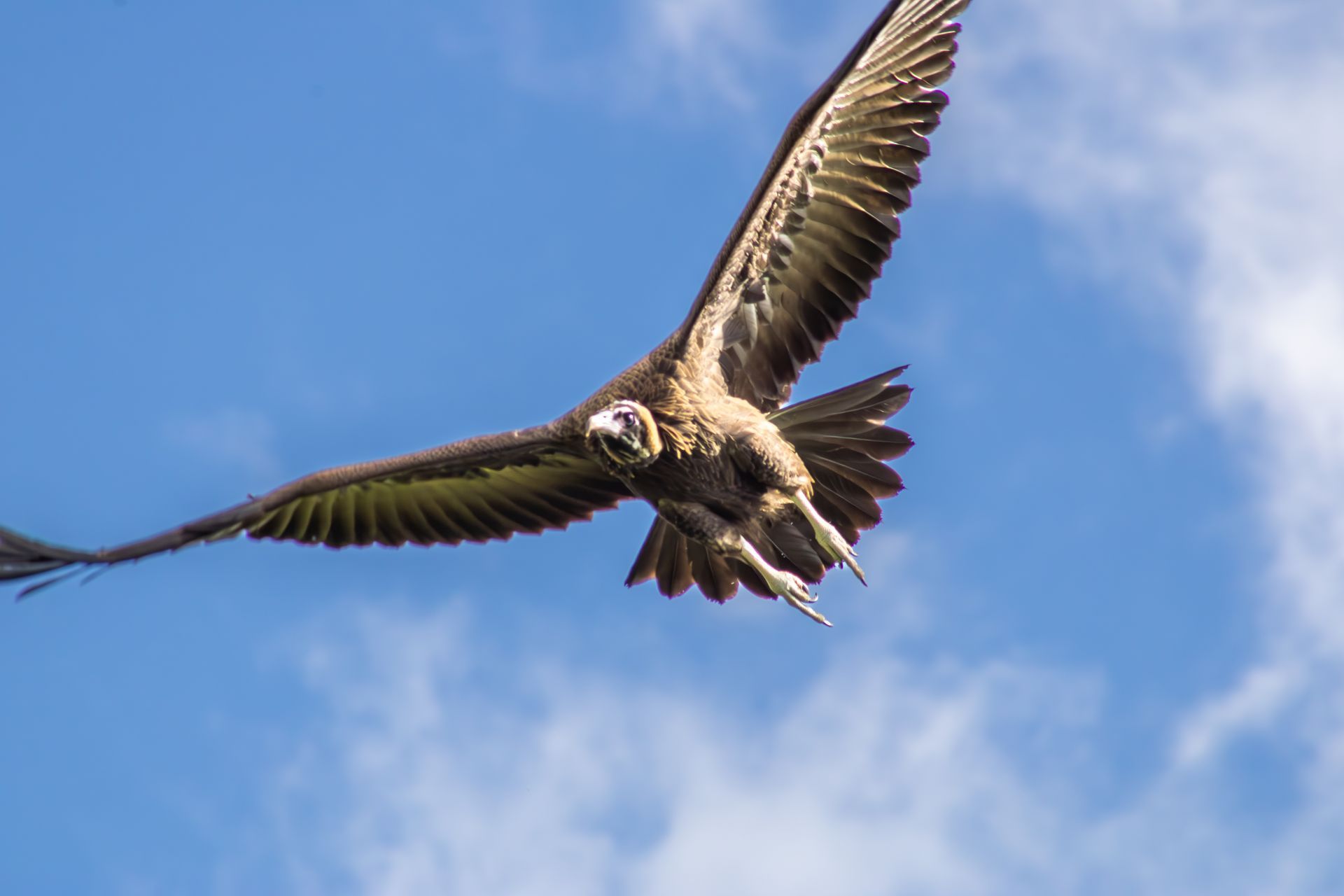
What Should a Guided Photographic Safari Include?
A guided photographic safari should clearly explain who accompanies you, what support is available, how the vehicles are shared and which activities are included. There is no universal package, so the details matter.
Look for:
- Named guides and clear roles: understand their experience and the support they provide.
- Confirmed vehicle arrangements: check occupancy, seating and room for equipment.
- Time in each destination: distinguish wildlife nights from the total holiday length.
- Photographic access: confirm any hide sessions or specialist activities.
- Realistic seasonal information: understand how conditions may affect the experience.
- Clear inclusions: know which transfers, meals, activities and other arrangements form part of the price
Practical photographic assistance is different from a formal workshop with scheduled tuition and editing sessions. Choose the level of support that suits you and confirm what is offered.
For further practical guidance, read how to book a photographic safari.
South Africa and Victoria Falls Photographic Safari — March 2027
Join Martin and Antje from 18–29 March 2027 for an 11-night photographic journey through South Africa and Victoria Falls.
The itinerary brings together:
- One night in Johannesburg to arrive and settle in.
- Four nights at Becks Safari Lodge for wildlife and photographic opportunities.
- Four nights in Cape Town, including city, Cape Peninsula and Winelands touring.
- Two nights at Victoria Falls to complete the journey.
Martin and Antje accompany you throughout, combining wildlife interpretation, practical photographic support and personal attention as the scenery changes.
Bring the equipment you enjoy using and the curiosity to explore. There is room for the experienced photographer pursuing a particular image, the enthusiast building confidence and the companion who sometimes prefers simply to watch.
Explore our South Africa and Victoria Falls photographic safari.
View some of Antje Moutons Photographic Safari images here
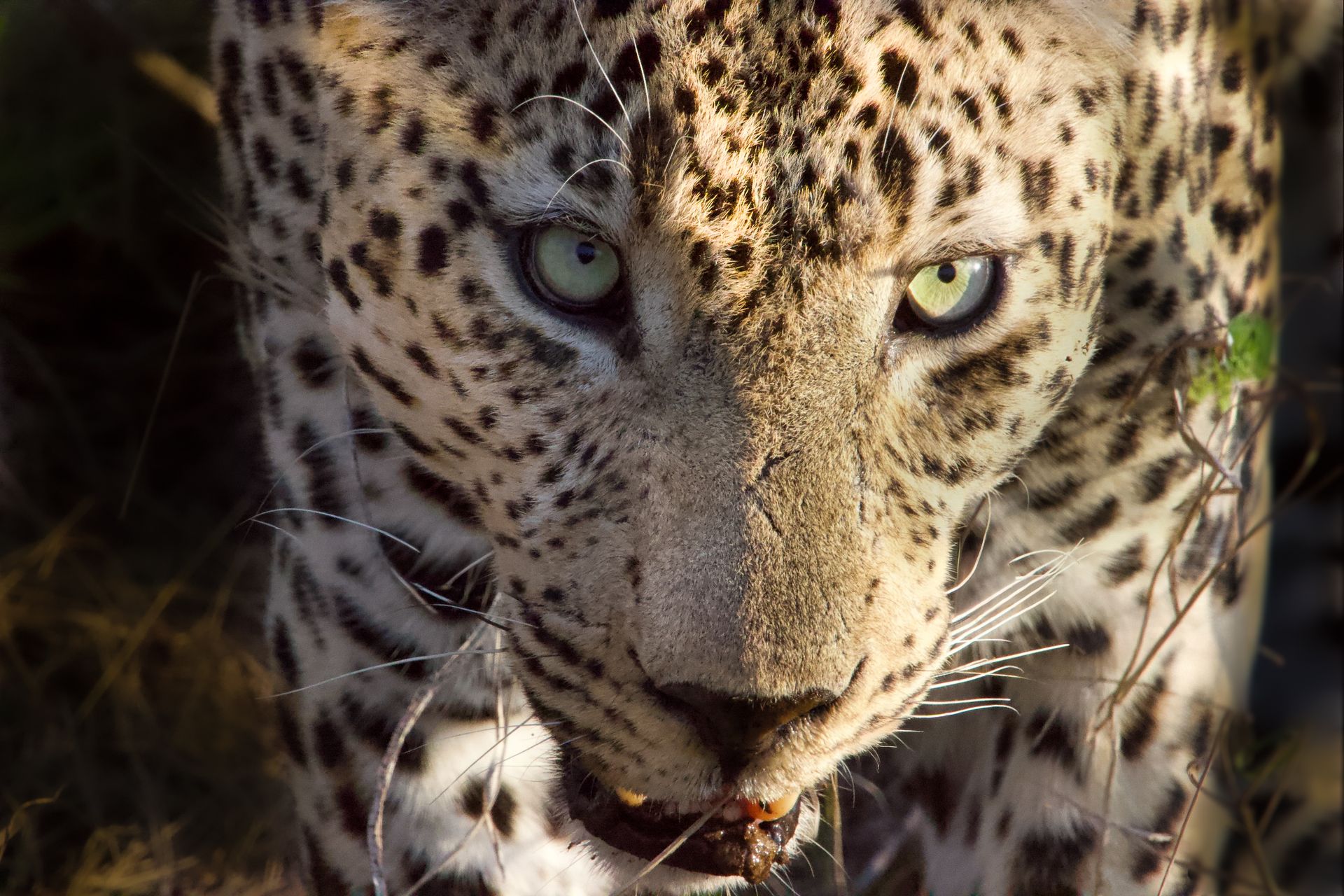
Have you always dreamed of going on safari but don't know where to start ?
We offer a complimentary 1 hour safari consultation call to simplify the process.