Privately Guided Botswana Safari: From the Boteti River to the Okavango Delta
Botswana rarely tries to impress you. It does not need to.
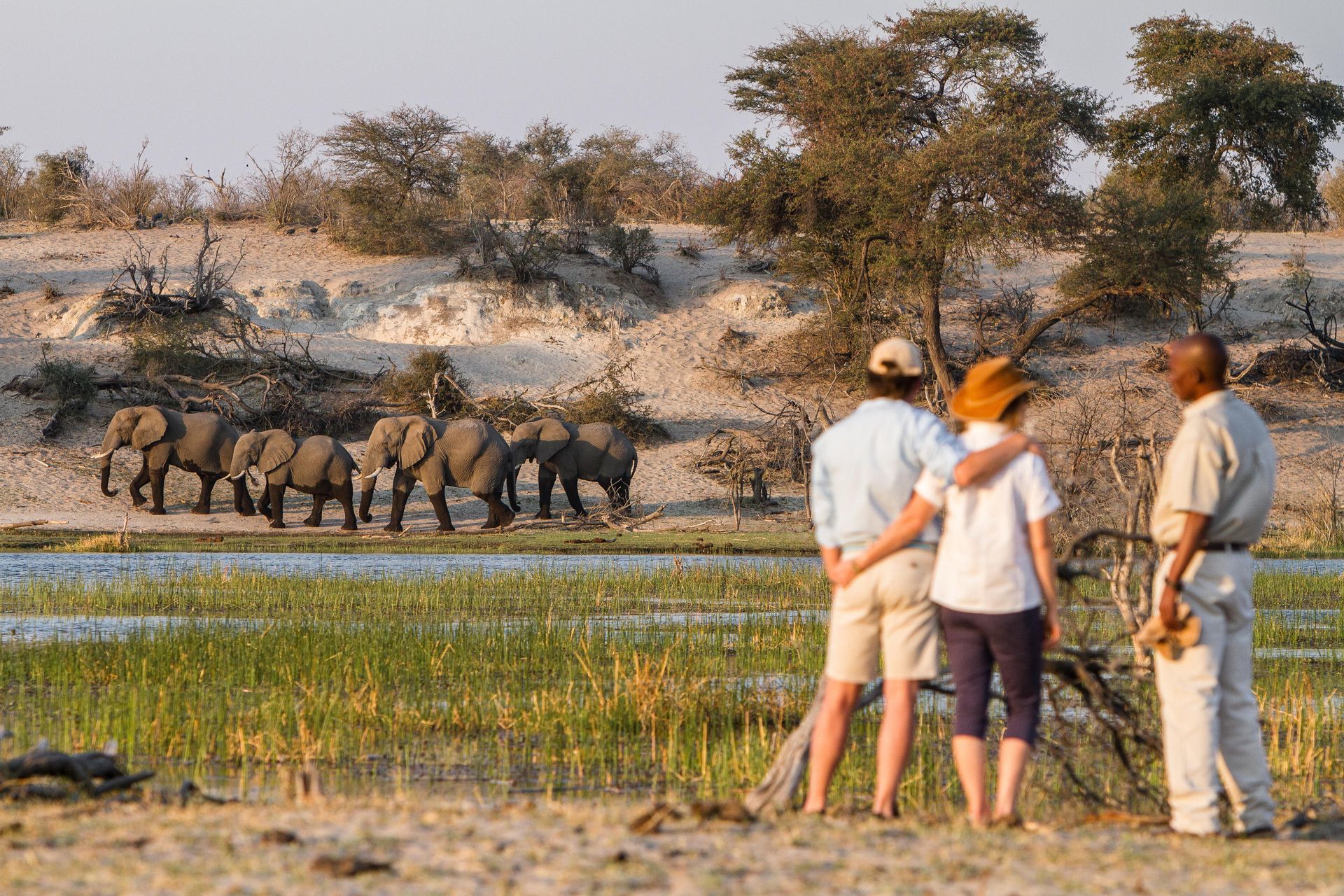
Instead, it waits. An elephant appears silently beside a channel. A fish eagle calls from somewhere beyond the reeds. A leopard materialises in a tree that everyone has been staring at for several minutes without noticing anything remotely leopard-shaped. By the time Botswana has finished with you, your understanding of wilderness has shifted rather substantially.
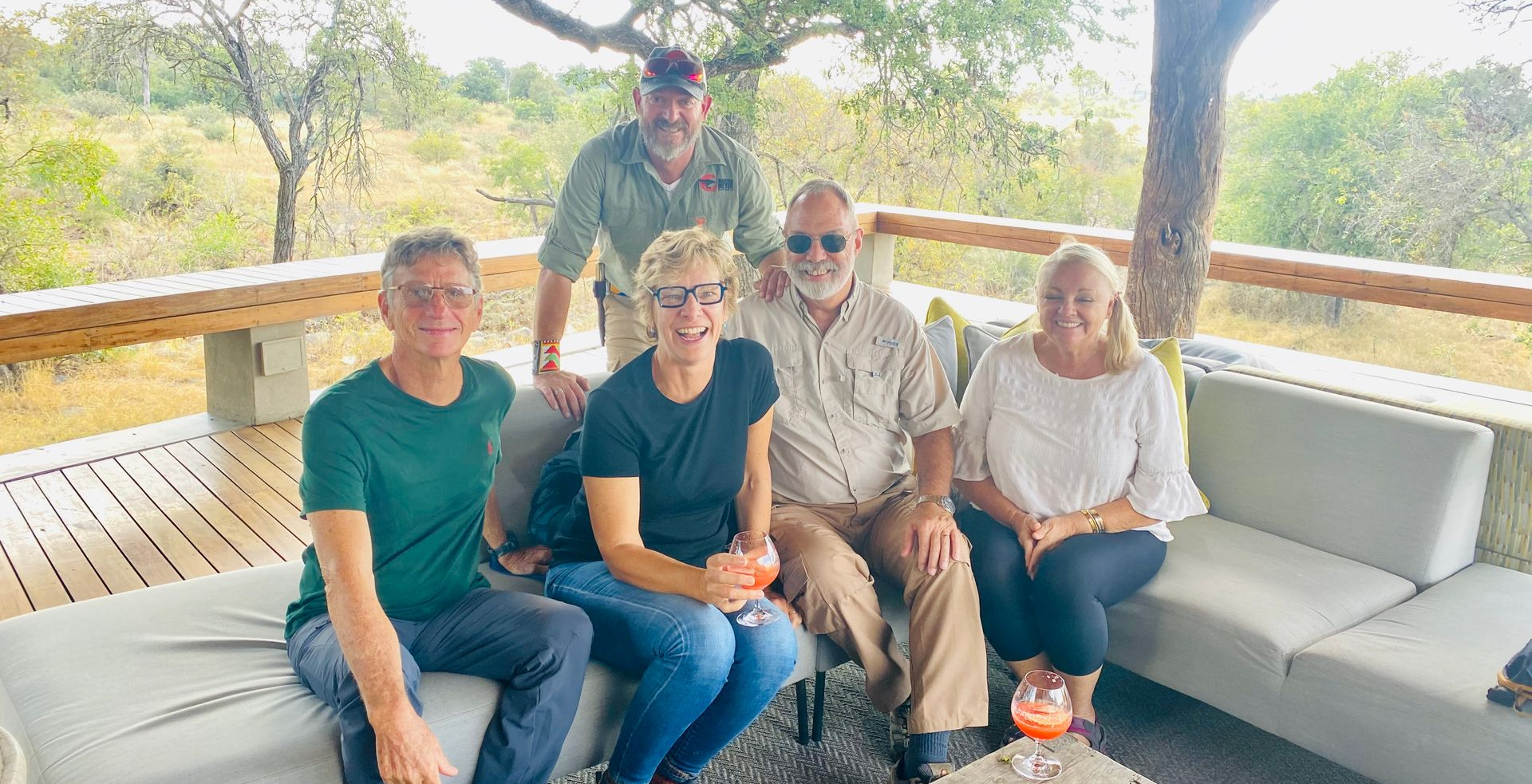
From 21 to 31 March 2027, Martin and Antje Meyer will personally guide an intimate 10-night Botswana safari through three remarkably different wilderness areas. Limited to only six guests, the journey travels from the Boteti River and Makgadikgadi Pans National Park to the Moremi Game Reserve and finally into the predator-rich landscapes of Savute.
This is not a large scheduled tour, nor is it a string of lovely safari lodges joined together by small aircraft and hopeful logistics. It is a carefully planned, privately guided Botswana journey with personal support from Johannesburg until the safari concludes in Kasane.
What Is a Privately Guided Botswana Safari?
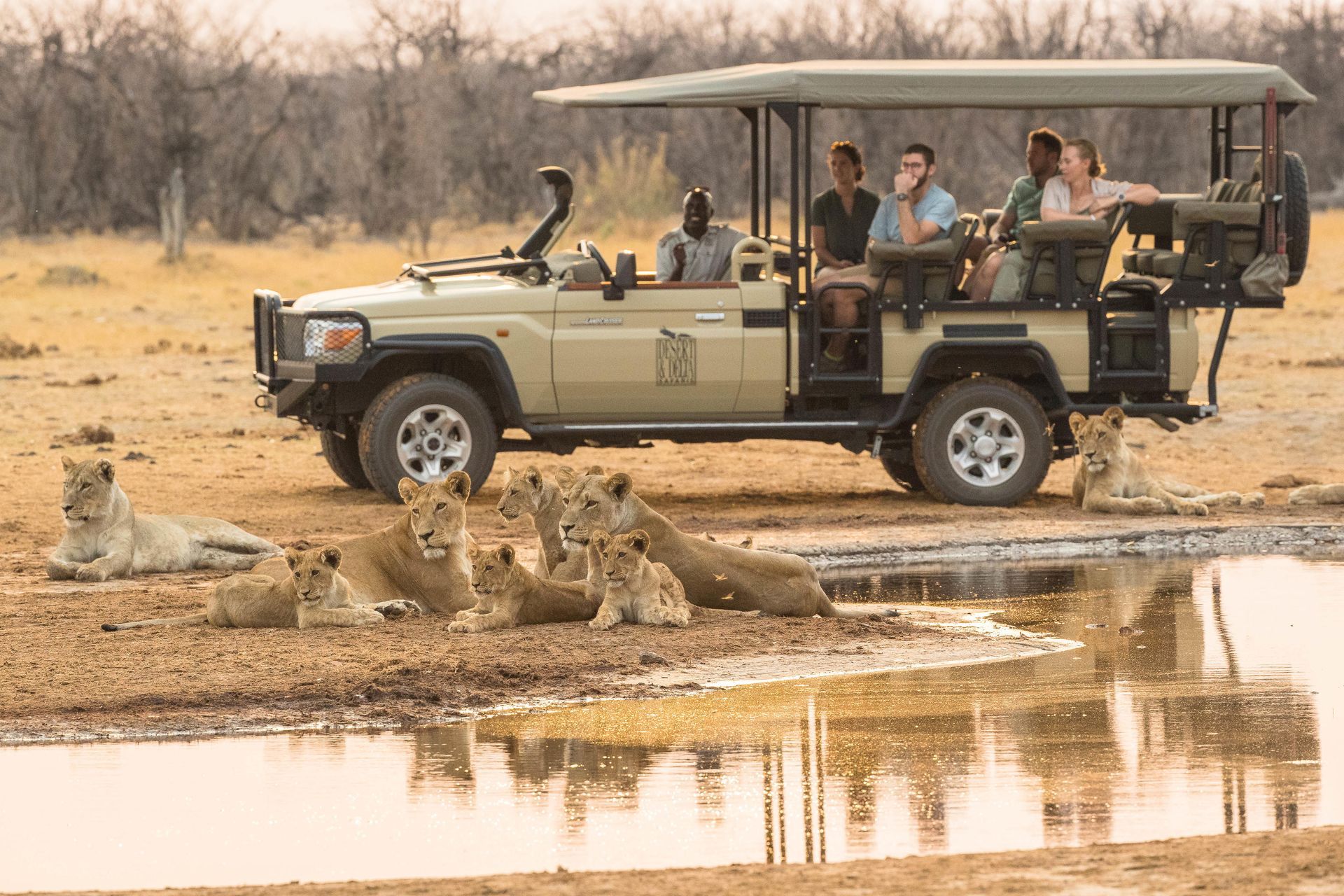
A privately guided Botswana safari gives guests the continuity, personal attention and deeper interpretation that are often missing from a conventional scheduled tour. Martin and Antje travel with the group throughout the journey. They share the flights, camps, activities, meals, sightings and stories, providing a consistent guiding presence from beginning to end. Martin brings decades of professional safari guiding experience and an exceptional understanding of African wildlife and animal behaviour. Antje brings extensive experience in conservation, photography, storytelling and guest care. Professional local guides conduct the scheduled activities at each lodge, while Martin and Antje accompany the group and add another layer of wildlife interpretation, photography assistance and personal support. With only six guests, there is time for genuine conversation, individual attention and game drives that do not feel as though half the population of a small municipality has arrived at the same lion sighting. Guests do not merely pass through Botswana. They gain a better understanding of what they are seeing, how its ecosystems connect and why every region along the route feels so different from the last.
Where does this Privately Guided Botswana Safari Begin ?
The journey begins on 21 March 2027 with one night at City Lodge Hotel O.R. Tambo in Johannesburg. This allows international guests time to arrive, recover from their flights and meet Martin, Antje and their fellow travellers before flying into Botswana the following day.
It also avoids the questionable sport of attempting to connect an international arrival with a regional flight while hoping baggage, immigration, weather and airport queues all behave impeccably. From Johannesburg, the group flies into Botswana before continuing by light aircraft to Leroo La Tau on the Boteti River. All specified regional and internal flights are included in the package price, including the final flight from Savute to Kasane.
What Can You Expect at Leroo La Tau?
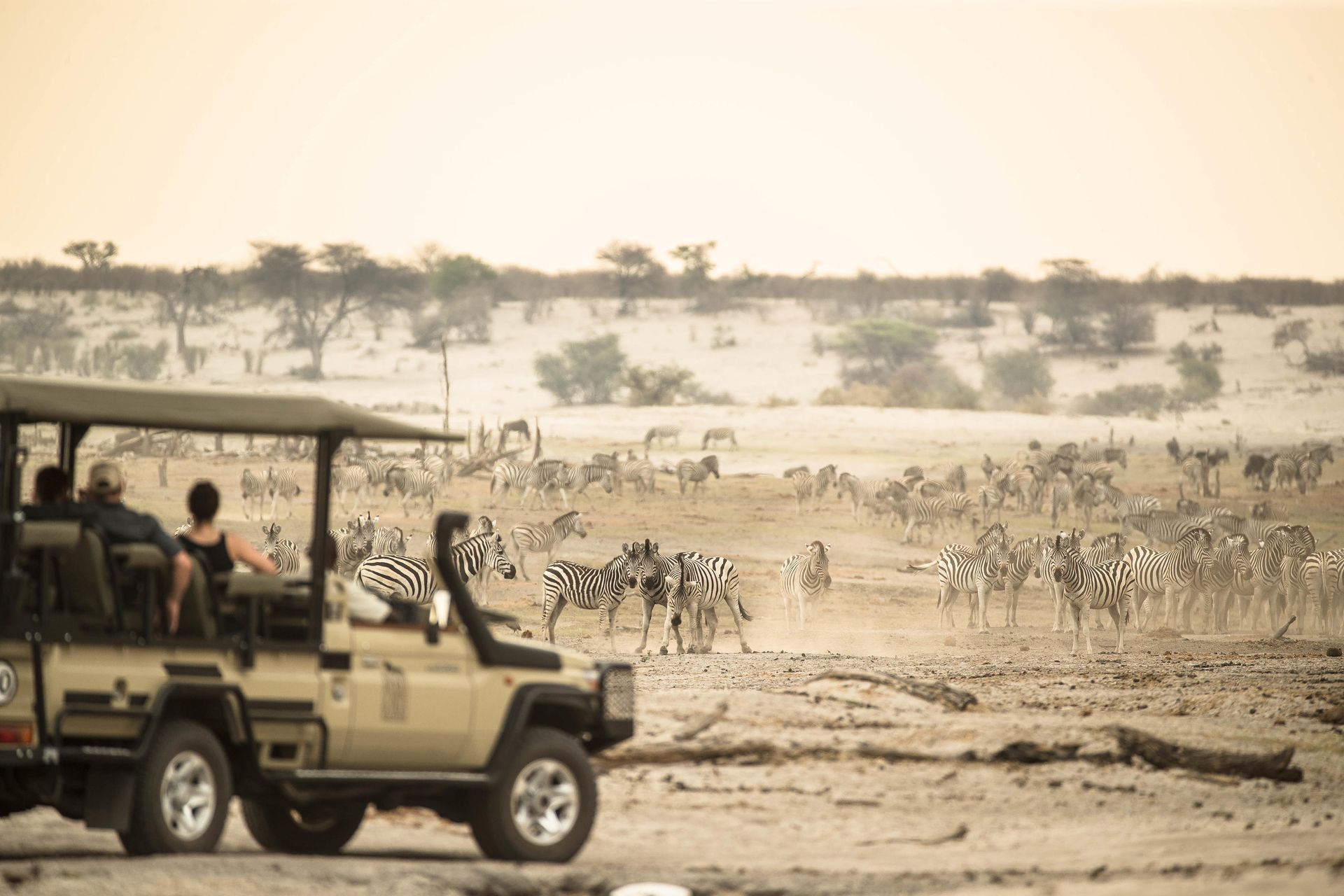
The first Botswana stop is Leroo La Tau, where the group spends three nights overlooking the Boteti River on the western boundary of Makgadikgadi Pans National Park. The Boteti is the principal outflow of the Okavango Delta. It provides a vital source of water for wildlife moving through the surrounding dry country and creates a fascinating meeting point between riverine habitat and the immense Makgadikgadi landscape.
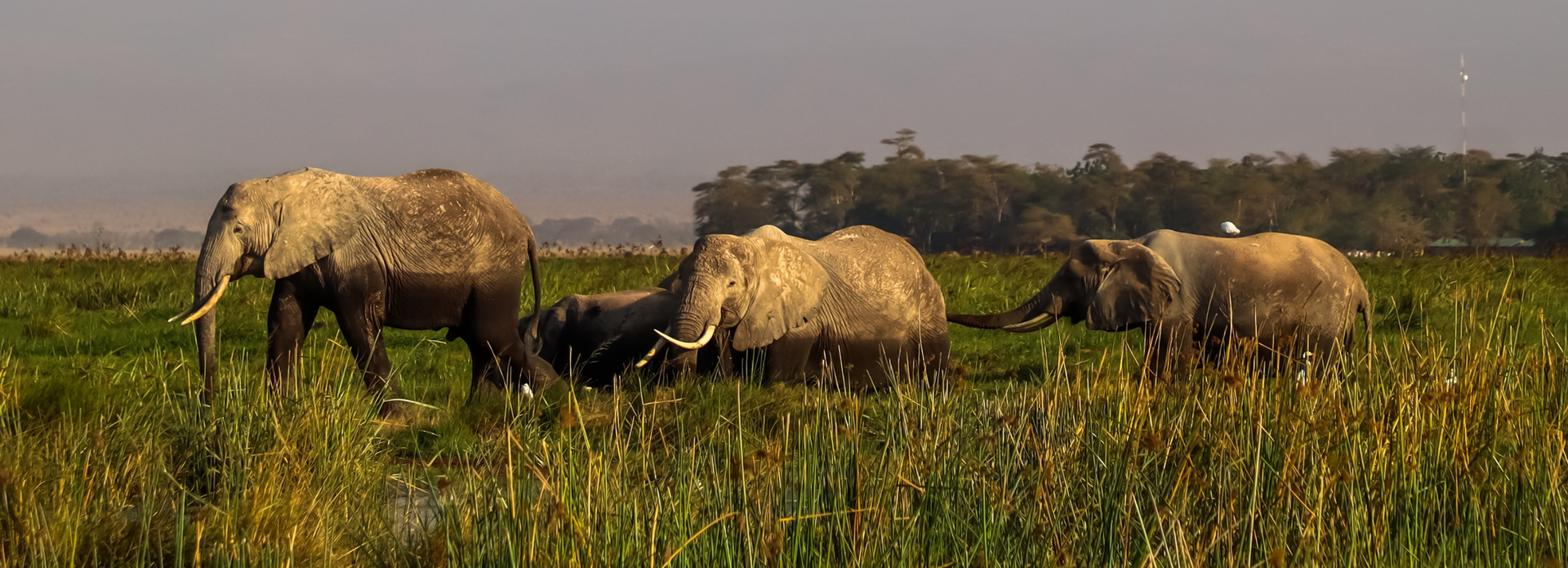
The region supports elephants, zebras, wildebeest, impalas, kudus and a healthy collection of animals that would happily eat all of the above. Lions, leopards, cheetahs, spotted hyenas and brown hyenas may all be encountered here, although wildlife has yet to accept our repeated requests for punctual daily appearances.
Morning and afternoon activities explore the river, woodland and grasslands of the national park. Depending on water levels and operating conditions, boating may also be possible.
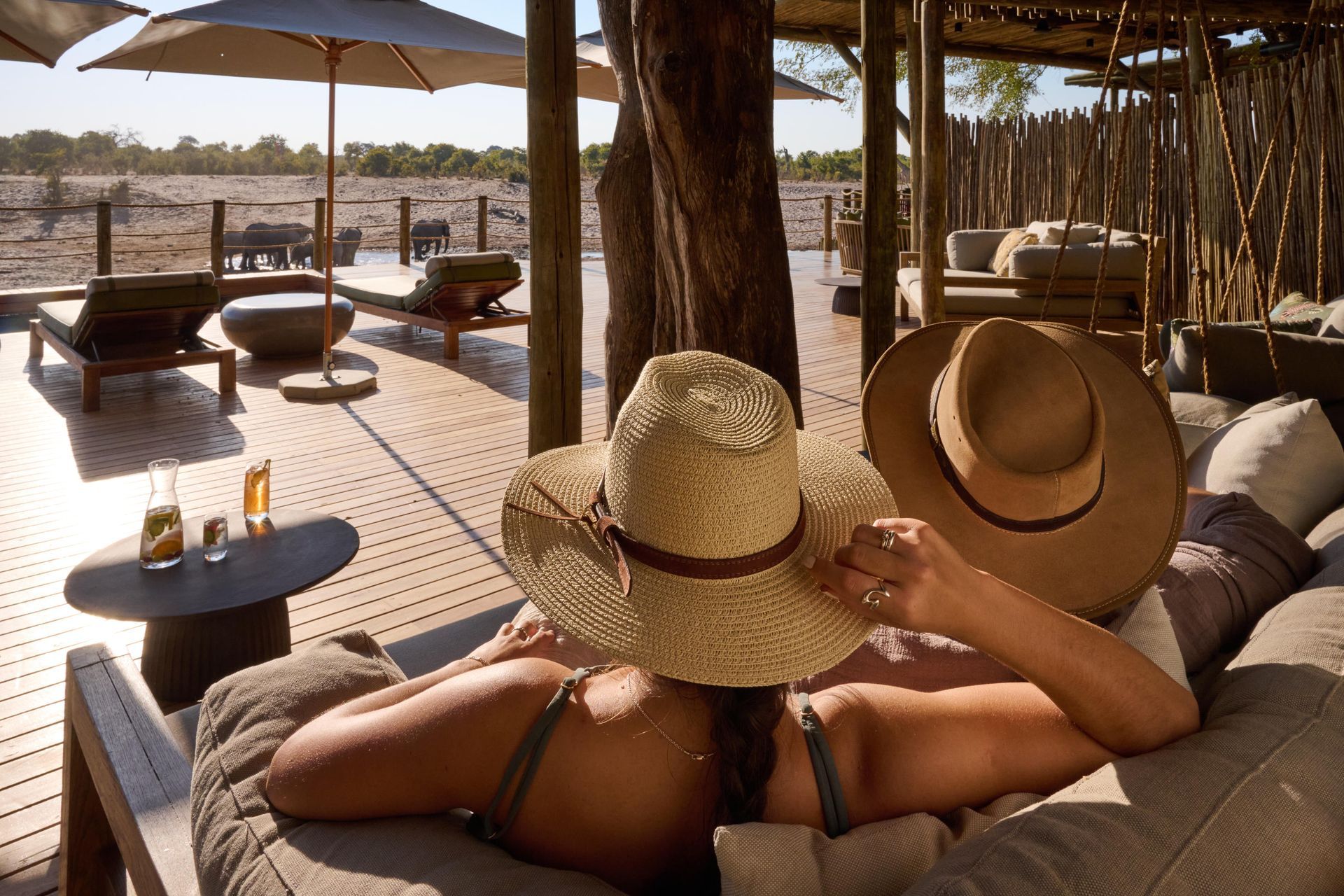
Leroo La Tau’s elevated position provides sweeping views over the river valley, while its water-level hide allows guests to watch and photograph wildlife from an entirely different perspective.
Why Does the Safari include Camp Moremi ?
After three nights beside the Boteti, the journey continues by light aircraft into the Okavango Delta for a three-night stay at Camp Moremi. This is where the character of the landscape changes completely. The drier environments of the south give way to lagoons, floodplains, reedbeds, woodland and open grasslands. From the air, the Delta resembles an impossible green maze spreading across the Kalahari sands. Camp Moremi is situated within the Moremi Game Reserve, one of Botswana’s most celebrated wildlife regions. Its varied habitats support elephants, buffalo, lions, leopards, African wild dogs, giraffes, zebras, hippos and numerous antelope species.
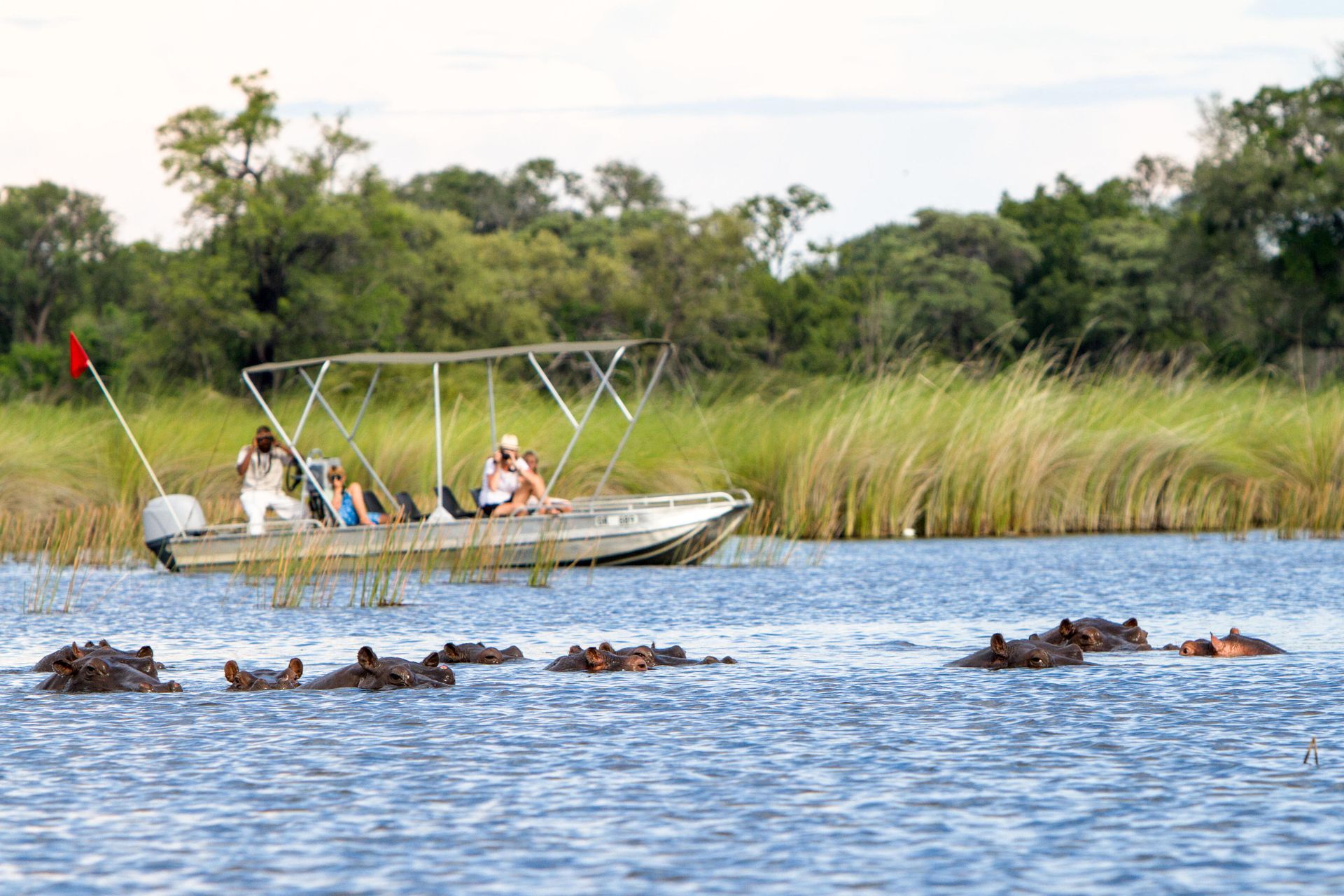
Morning and afternoon game drives explore Moremi’s woodland and floodplains. Subject to water levels and local conditions, guests may also travel by motorised boat through the deeper channels and lagoons surrounding Xakanaxa.
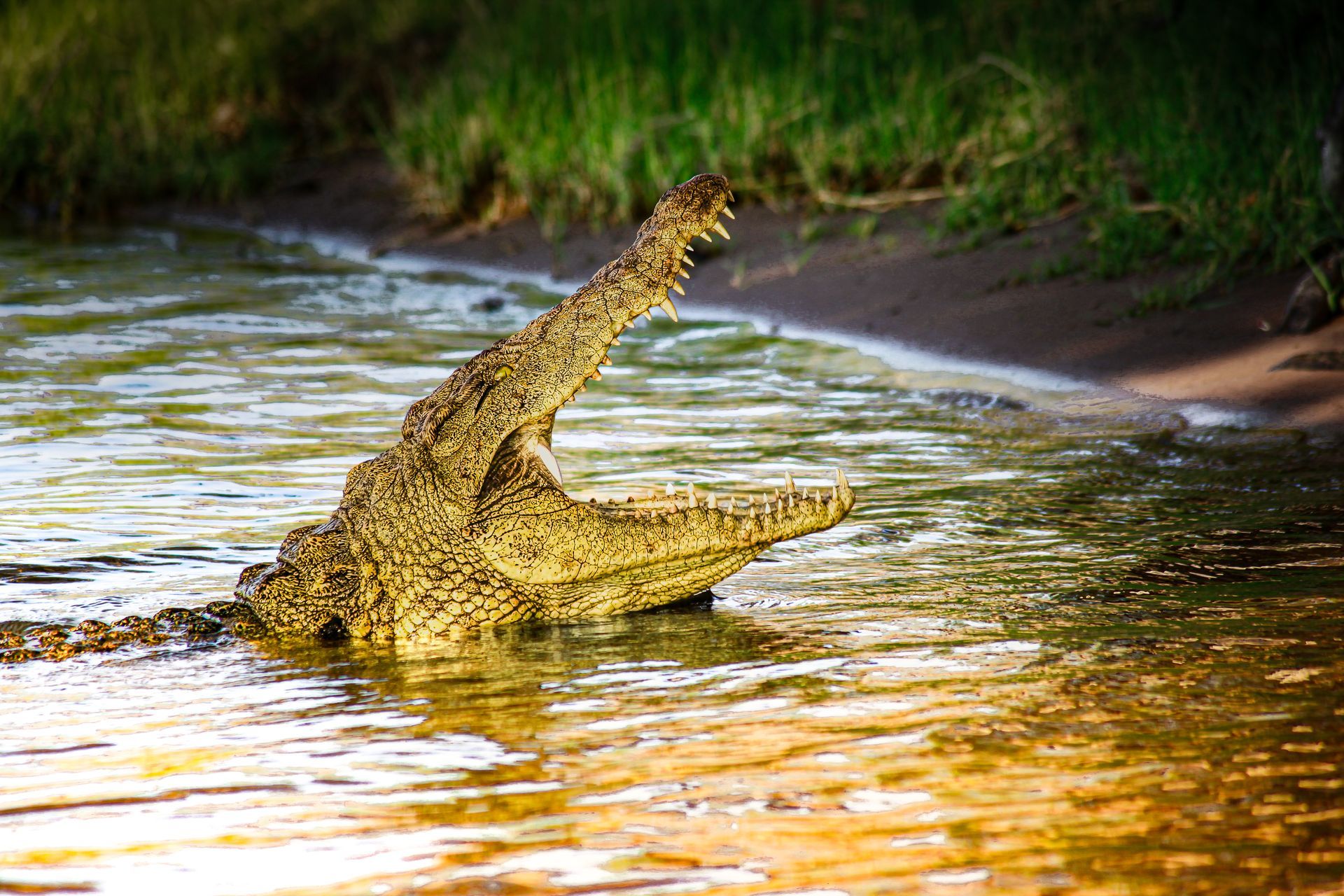
The boating experience reveals a quieter and more detailed side of Botswana. Kingfishers flash between reeds, African fish eagles watch from exposed branches and hippos regard passing boats with their usual combination of resentment and territorial suspicion. This is also an exceptional area for birding. March falls within Botswana’s green season, when resident and migratory species bring colour, noise and occasionally considerable confusion to the morning bird list.
Why Finish a Botswana Safari in Savute?
The final three nights are spent at Savute Safari Lodge in Chobe National Park. Savute is a place of extremes, shaped by an unpredictable channel that has flowed, disappeared and returned repeatedly over generations. It is a raw and compelling landscape known for elephants, powerful predator encounters and some complicated relationships between lions, hyenas, wild dogs and everything attempting not to become lunch.
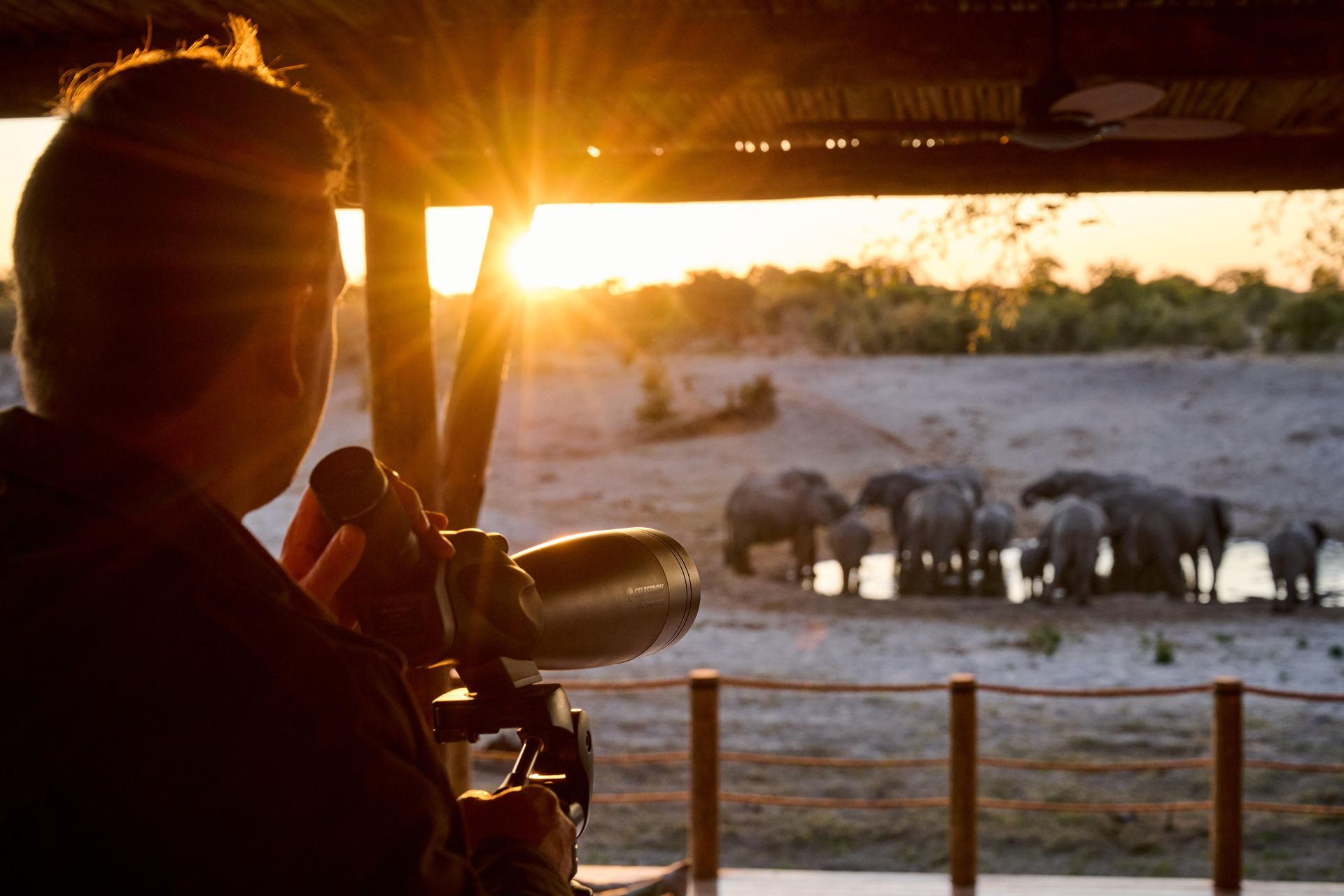
Game drives explore the Savute Marsh, channel, woodland and surrounding plains. The region supports lions, leopards, spotted hyenas, African wild dogs, buffalo and large numbers of elephants. Savute Safari Lodge overlooks the channel and a productive waterhole, allowing wildlife viewing to continue between activities. Its photographic hide provides opportunities for low-angle wildlife photography, while the viewing decks offer a very civilised place from which to watch elephants arrive while you are attempting to eat something.
Excursions may also include the ancient San rock paintings at Gubatsa Hills. These provide a reminder that people have watched, understood and recorded life in this landscape for thousands of years.
Is March a Good Time for a Privately Guided Botswana Safari?
March is an excellent time for travellers who want to experience Botswana in its green-season colours. Summer rainfall transforms the landscape. Grasses are green, skies become dramatic and the light can be exceptional for photography. Migratory birds remain in the region, many animals are raising their young and predators are rarely unaware of the sudden abundance of small, inexperienced creatures. There may be rain. Tracks may become muddy. Hair may develop independent political ambitions. None of this diminishes the safari.
Green-season storms often arrive in dramatic afternoon bursts before giving way to cooler air and extraordinary evening skies. Visitor numbers are generally lower than during the traditional dry season, creating a quieter and more atmospheric safari experience.
This is not the pale, dusty Botswana most often seen in brochures. It is Botswana alive with colour, water and new life.
Is This a Privately Guided Photographic Safari?
Photography forms an important part of the journey, and Antje will be available to assist guests with camera settings, composition and photographing wildlife in changing conditions.
However, this is not exclusively a photographic safari. Guests are welcome whether they carry professional equipment, a mobile phone or no camera at all.
Martin’s wildlife interpretation and Antje’s photography assistance are intended to help every guest see more deeply. Sometimes that means taking a better photograph. Sometimes it means putting the camera down and simply watching what happens next.
Why Travel in a Group of Only Six Guests?
The group is strictly limited to six guests because the small-group format is central to the experience. Fewer guests mean more personal interaction with Martin and Antje, more space for photography and a relaxed group dynamic. It allows the journey to feel privately guided and personally managed rather than like a conventional escorted tour. Questions can be answered properly. Interests can be explored in greater depth. Guests become part of the journey rather than anonymous passengers moving through a fixed programme.
The six-person limit is not artificial scarcity dreamt up in a marketing meeting. It is what allows the safari to work in the way we intend it to
Have you always dreamed of going on safari but don't know where to start ?
We offer a complimentary 1 hour safari consultation call to simplify the process.