South African Wildlife Photography Safari
9 Nights | Johannesburg | Karongwe | Timbavati
A Privately Guided South African Wildlife Photography Safari
11 - 20 November 2027
US$ 11,421.00 per person sharing
US$ 13,821.00 per single room
Limited to only 6 guests with 2 Photographic Guides
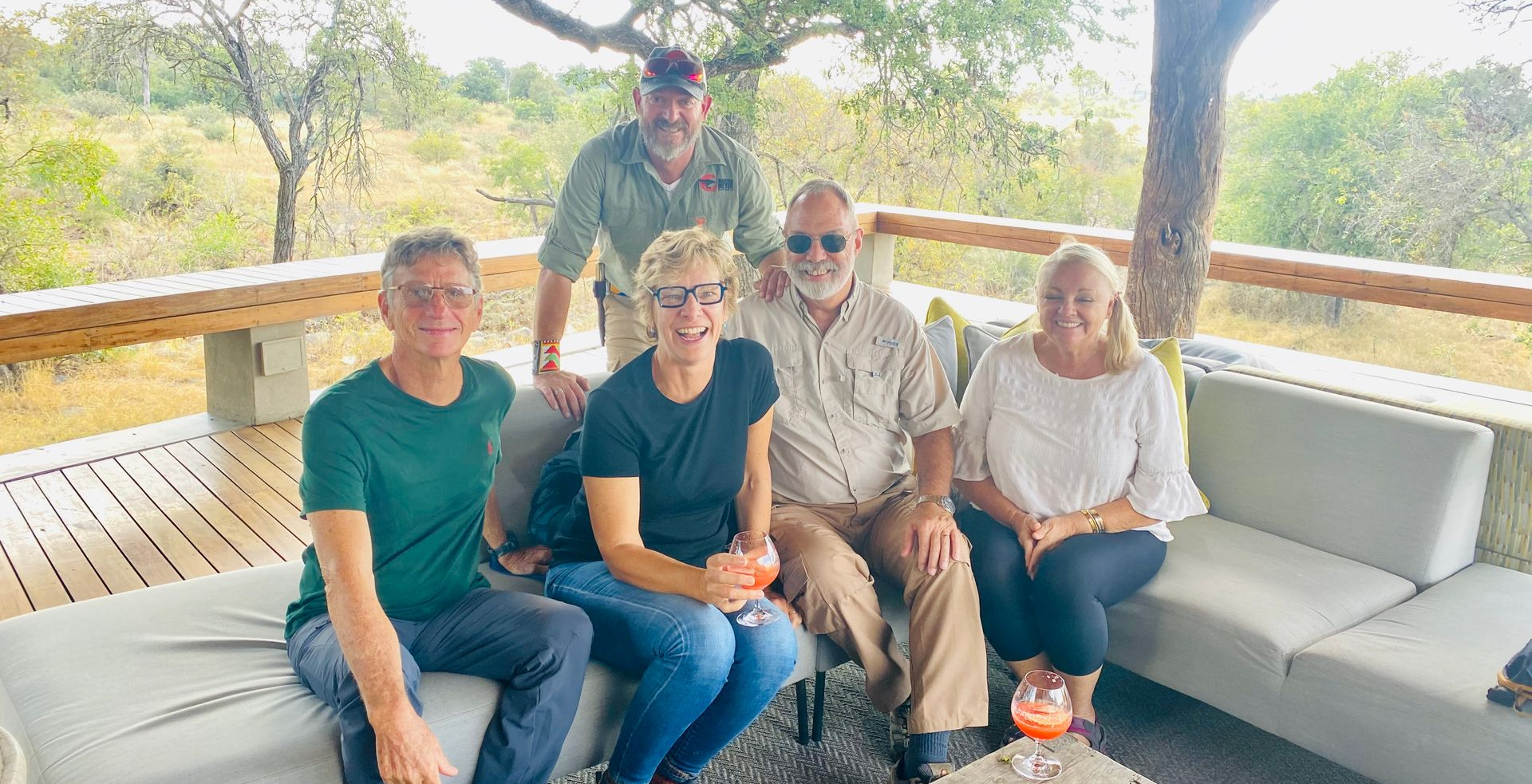
Personally Guided by Martin Meyer & Antje Mouton
This privately guided South African photographic safari dedicates eight nights to wildlife photography in two distinct private reserves.
The small group is limited to six guests, giving photographers more room for equipment, better access to guidance and time to work patiently at sightings. Martin brings more than 20 years of wildlife-guiding experience, while Antje provides practical photographic support for beginners and experienced photographers alike.
- 1 night in Johannesburg
- 4 nights at Karongwe River Safari Lodge, Karongwe Private Game Reserve
- 4 nights at Kambaku Safari Lodge, Timbavati Private Nature Reserve
- Wildlife photography with experienced safari & photographic guiding
- Private Game Viewing Vehicles throughout
- Dedicated Photographic Hide Sessions
- Astro Photography Workshop
- Wildlife Photography Quick Reference Guide supplied per person with Tips & Tricks
No payment is required to enquire. A complimentary short room hold may be arranged while you consider the journey.


Why Combine Two Reserves on a Photographic Safari
Combining two reserves gives photographers access to different habitats, wildlife territories and photographic conditions within one journey. It also reduces reliance on the sightings and animal movements of a single area.
This safari begins at Karongwe River Lodge in Karongwe Private Game Reserve. Here, river systems, woodland, open areas and views towards the Northern Drakensberg introduce different backgrounds, light and compositions.
The journey then continues to Kambaku in the Timbavati Private Nature Reserve, part of the open Greater Kruger ecosystem. Its extensive wilderness and riverine habitats create opportunities to photograph the Big Five, African wild dogs, birds and other wildlife moving freely across a vast conservation area.
Spending four nights in each reserve gives you time to understand each environment rather than simply passing through it.
With Martin and Antje accompanying you throughout, the photographic skills and wildlife knowledge developed in Timbavati can be carried into Karongwe and refined under new conditions.
How Does Private Photographic Guiding Improve a Safari?
Private photographic guiding brings consistency to the journey. Martin and Antje learn what you enjoy photographing, how familiar you are with your equipment and where you would appreciate help.
Martin interprets animal behaviour and helps you recognise the small signals that often precede movement or interaction. Antje assists with camera settings, exposure, autofocus, composition and working with changing light.
Because the same photographic guides accompany you at both reserves, the guidance develops throughout the journey instead of starting again every time you change lodge.
Is This Safari Suitable for Beginner Photographers?
Yes. You do not need professional equipment or advanced technical knowledge.
Antje can help you understand your camera, select appropriate settings and become more confident photographing wildlife in changing conditions. The repeated rhythm of morning and afternoon game drives gives you time to practise, review and try again.
Your curiosity and willingness to learn matter far more than the size or cost of your camera.
Will Experienced Photographers Have Enough Freedom?
Yes. Experienced photographers are welcome to work independently while drawing on Martin’s knowledge of wildlife behaviour, the local guide and tracker teams, and Antje’s creative input when useful.
The small group and extended stays provide time to think beyond simple record photographs. You can experiment with environmental portraits, backlighting, slower shutter speeds, silhouettes, low-light photography and storytelling sequences.
Can a Non-Photographing Partner Join a Photographic Safari?
Absolutely. This is a safari first and a photographic experience second.
Non-photographing partners can enjoy wildlife sightings, specialist interpretation, beautiful lodges and the rhythm of life in the bush without participating in technical camera discussions. They should simply be comfortable spending longer at productive sightings while photographers wait for behaviour, light or positioning to come together.
Why you should book this Privately Guided South African Wildlife Photography Safari
This nine-night South African wildlife photography safari combines four nights in the Timbavati Private Nature Reserve with four nights in Karongwe Private Game Reserve. Travelling with the same specialist guides throughout allows both amateur and experienced photographers to receive personal support, develop their understanding of wildlife behaviour and refine their photography across two distinctly different environments. With only six guests, there is more space for equipment, individual guidance and the patience needed to wait for the right moment.
01
Why Combine Timbavati and Karongwe?
Timbavati and Karongwe offer different landscapes, wildlife territories and photographic conditions. Combining them broadens the range of possible subjects and reduces reliance on the activity of one particular reserve.
It also encourages photographers to adapt. Backgrounds, vegetation, light and animal behaviour may change, requiring you to reconsider how you frame and expose each image.
02
Why Spend Four Nights at Each Safari Lodge?
A one- or two-night stay can feel rushed. Four nights normally provide up to eight game-drive opportunities at each lodge, allowing time for changing weather, shifting wildlife activity and repeat encounters.
Extended stays also help the guide and tracker teams understand the group’s photographic priorities. Instead of treating every drive as a general introduction, the experience can gradually become more focused.
03
What Can You Photograph on This Safari?
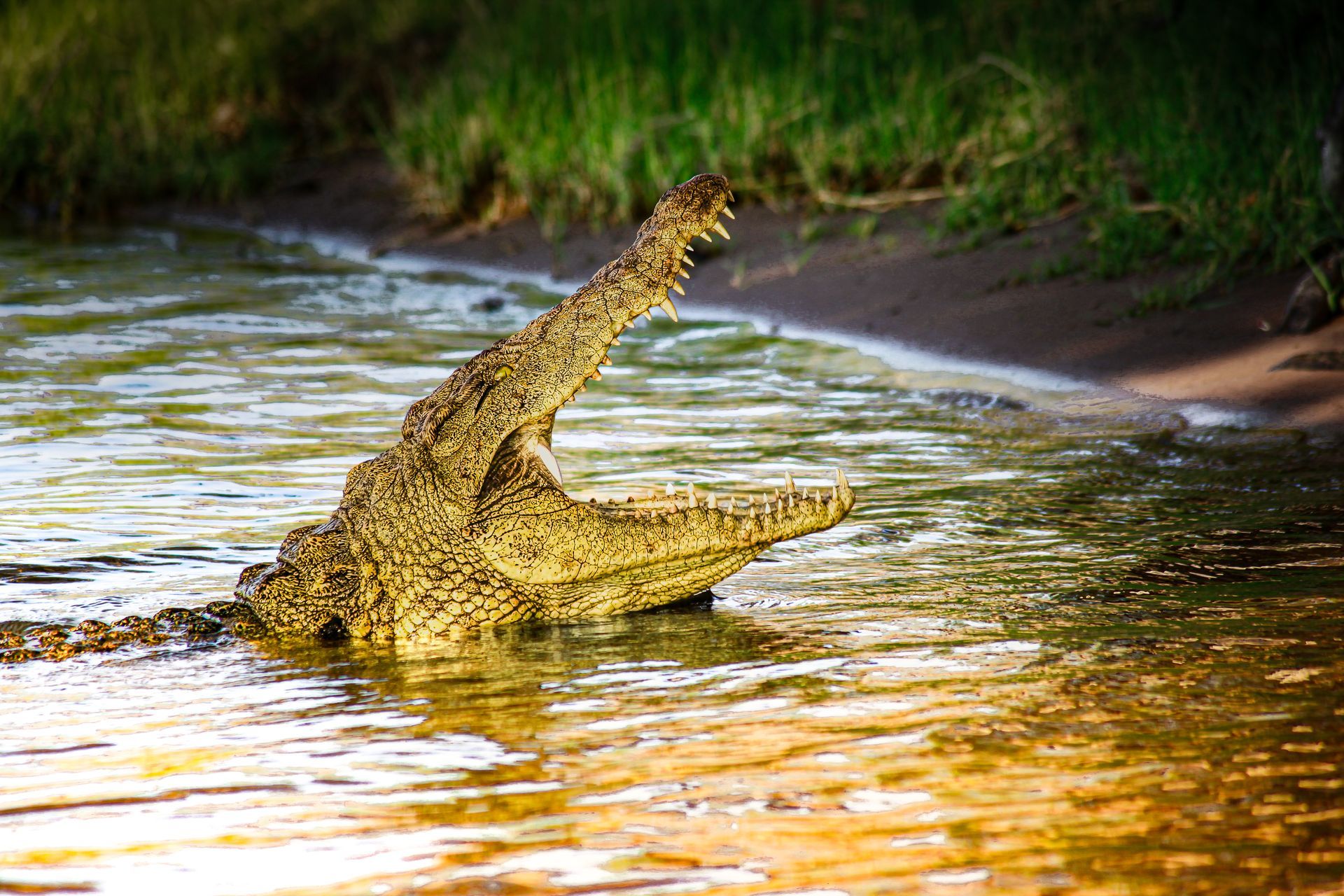
Potential subjects include lions, leopards, elephants, rhinos, buffalo, African wild dogs, giraffes, zebras, antelope, primates and a wide variety of birds. Just as importantly, the safari creates opportunities to photograph behaviour, habitat and detail: an elephant’s skin, a leopard moving through woodland, dust behind a buffalo herd, a bird reflected in water or the last light catching the edge of an animal’s profile.
Wildlife sightings are always unpredictable, but patient observation greatly increases the number of meaningful photographic opportunities.
Find out more about this Photographic Safari
No payment is required to enquire, and a complimentary short hold may be arranged.
What Do Guests Say About Their Photographic Safaris?
The value of private guiding is often best understood after experiencing it. Our guests regularly tell us that the continuity, personal attention and depth of interpretation changed the way they experienced Africa. Some have since returned to travel with us several times.
Testimonials
Initially I was concerned that being an Amateur photographer I would hold the rest of the group back, but Antje and Martin were amazing helping me find my feet and creating a balance between the group. Some of us needed a bit more attention and it was always forthcoming. The entire trip was perfectly planned and I loved the areas we visited. My Photography improved immensely under the guidance of the entire group. Martin and Antje create the environment and we all loved every moment of it. I have already booked my 2028 safari with them!
Helena B.
Photographic Client
From the first contact, Antje was so responsive. After emailing 4 operators and not getting a response, this was a breath of fresh air. Initially I had my heart set on a trip, and Antje explained to me why she thought it would not be a good fit. It didn't feel like a sales pitch, but rather a friend giving me personal recommendations. The trip exceeded every expectation I didn't even know I had. Meeting Martin and Antje in person was like coming home to visit life long friends. Our Photographic Safari gave me life long memories, and if I ever have the opportunity to travel to Africa again, I know which friends I am going to visit.
Jonathan J.
Photographic Client
Check Availability for this Photographic Safari!
No payment is required to enquire, and a complimentary short hold may be arranged.
What Can You Expect on This South African Photographic Safari?
Eight nights in the bush give this journey a clear purpose: time in the field. There is no pressure to rush from safari to city tour or from one country to another. Your days follow the natural rhythm of wildlife activity, beginning before sunrise and returning to the bush as the afternoon cools. Between drives, there is time to rest, enjoy the lodges, review photographs, discuss camera settings and prepare for the next outing. Limiting the safari to six guests provides more space for camera equipment, easier access to individual guidance and enough time to work patiently at productive wildlife sightings.
How Much Time Will You Spend Photographing Wildlife?
Eight nights in the bush allow the safari to follow the natural rhythm of wildlife activity. Morning game drives usually begin around sunrise, when temperatures are cooler and predators may still be active. Afternoon drives depart as the heat begins to ease and continue through the changing light towards sunset.
Spending four nights in each reserve provides repeated opportunities to photograph wildlife under different conditions. Rather than rushing between destinations, you have time to observe animal behaviour, improve your settings and return to the field with a clearer idea of the photographs you want to create.
Between game drives, there is time to rest, enjoy the lodges, review your images and prepare your equipment for the next outing.
What Photographic Guidance Will You Receive?
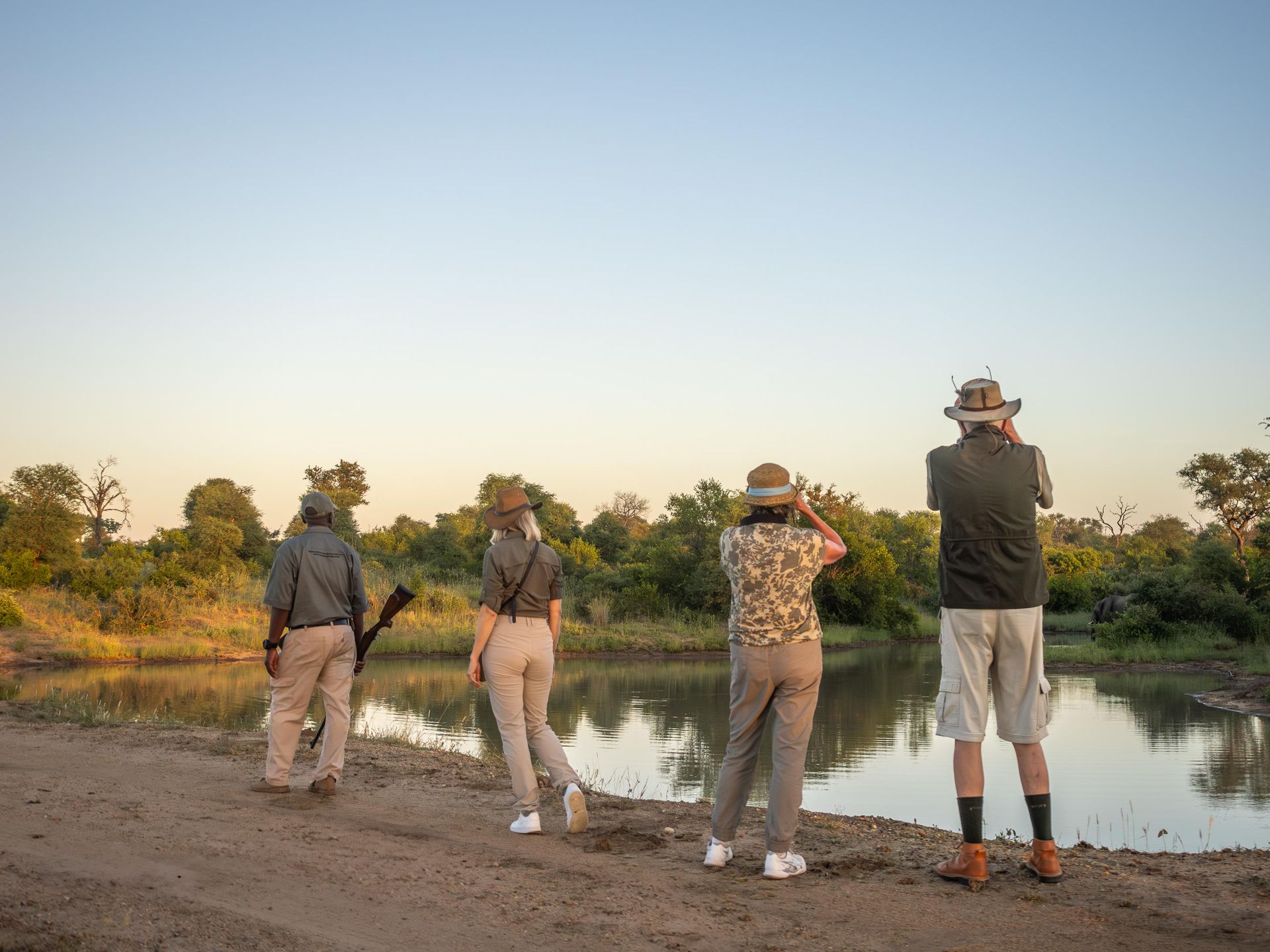
Antje provides practical photographic guidance throughout the safari, adapting her support to each guest’s experience and equipment.
Beginner photographers can receive help with shutter speed, aperture, ISO, autofocus, exposure compensation and photographing moving animals. More experienced photographers can discuss composition, changing light, creative techniques and the challenges presented by individual sightings.
The guidance is informal and responsive rather than a fixed classroom-style workshop. You can ask questions when you need help while retaining the freedom to photograph independently
How Does Understanding Animal Behaviour Improve Wildlife Photography?
Understanding animal behaviour helps photographers anticipate movement and prepare before an important moment occurs.
Martin draws on more than 20 years of safari-guiding experience to interpret the signals animals give. A leopard repeatedly looking in one direction, antelope sounding alarm calls or elephants closing ranks around a calf may indicate that the situation is about to change.
Recognising these signs gives you time to adjust your camera settings, consider the background and choose a composition before the action unfolds.
Why Is This Photographic Safari Limited to Six Guests?
This photographic safari is limited to six guests to provide a more personal and spacious experience.
A small group gives each photographer better access to Martin and Antje, more room for camera equipment and a fair opportunity to photograph from the safari vehicle. It also allows the group to spend time at promising sightings without the pressure often associated with a larger tour.
Different levels of experience are welcome. Beginners can ask questions freely, while advanced photographers have the space to work independently and pursue their own creative approach.
What Is Included in This Privately Guided Photographic Safari?
The price includes the guiding, accommodation, private transport, wildlife activities and essential in-country arrangements needed for the 11-night journey. Martin and Antje accompany the group throughout.
Inclusions
- Services of Martin & Antje Meyer as private specialist guides throughout your journey in Southern Africa
- 1 nights accommodation at the City Lodge O.R. Tambo - Bed and Breakfast
- All scheduled domestic flights
- Private Airport from Hoedspruit Airport to Karongwe River Safari Lodge
- 4 nights accommodation at Karongwe River Safari Lodge, inclusive of 2 x Daily Game Drives, Daily photographic Hide Excursion, all meals and local beverages
- Park Fees
- Conservation Levies
- Private transfer from Karongwe River Safari Lodge to Kambaku Safari Lodge
- 4 nights accommodation at Kambaku Safari Lodge, inclusive of 2 x Daily Game Drives, optional Bush Walks, all meals, local beverages & Laundry
- Reserve Entrance Fees
- Daily Conservation Levies
- Private transfer from Kambaku Safari Lodge to Hoedspruit Airport
Exclusions
- International Flights
- Dinner in Johannesburg
- Premium brand beverages on safari
- Curio Shop Purchases, Spa Treatments and Items of a Personal Nature
- Mandatory travel & Medical Evacuation Insurance
- Optional Overnight Hide Sleep out at Kambaku Safari Lodge at US$245 per person
Check Availability for this Photographic Safari
Join Martin Meyer and Antje Mouton for a nine-night wildlife photography journey through Johannesburg, Timbavati and Karongwe.
Complete the short enquiry form and tell us how many people would be travelling. Martin or Antje will personally confirm availability and help you decide whether the safari is right for you.
You do not need to have your equipment or international flights organised before enquiring. We can discuss your experience, suitable camera gear, luggage restrictions, dietary needs, room arrangements and any concerns you may have.
Submitting an enquiry does not commit you to booking, and no payment is required to enquire.
Limited to only 6 guests - slots are filling up fast
What Happens After You Enquire?
- We check availability for your party.
Martin or Antje confirms the available accommodation and room arrangements for the October Departure - We discuss what matters to you.
Tell us about your photography interests, experience and travelling companions so we can explain how the journey would suit you. - We answer the practical questions.
We can discuss camera equipment, luggage, flights, dietary needs, mobility and the pace of the itinerary. - We explain the booking process.
You receive the pricing, inclusions and payment terms, along with the next steps should you wish to reserve your place.
Where Does This South Africa Photographic Safari Go
This nine-night safari travels from Johannesburg to two private wildlife reserves in South Africa’s Lowveld.
The journey begins with a comfortable arrival night near Johannesburg’s international airport. A scheduled flight to Hoedspruit then places you within easy reach of Kambaku Safari Lodge in the Timbavati. After four nights, travel by road to Kuname Safari Lodge in Karongwe Private Game Reserve for the final four nights.
Johannesburg – Arrive, Recover and Meet the Group
Your first night in Johannesburg allows time to recover after your international journey before travelling into the bush.
Meet Martin, Antje and your fellow travellers, discuss the journey ahead and make any final preparations for your camera equipment. Starting with an overnight stay also provides a useful buffer between your international flight and the domestic flight to Hoedspruit.
Kambaku Safari Lodge – Wildlife Photography in Timbavati
Kambaku Safari Lodge is situated in the Timbavati Private Nature Reserve, within the open Greater Kruger ecosystem.
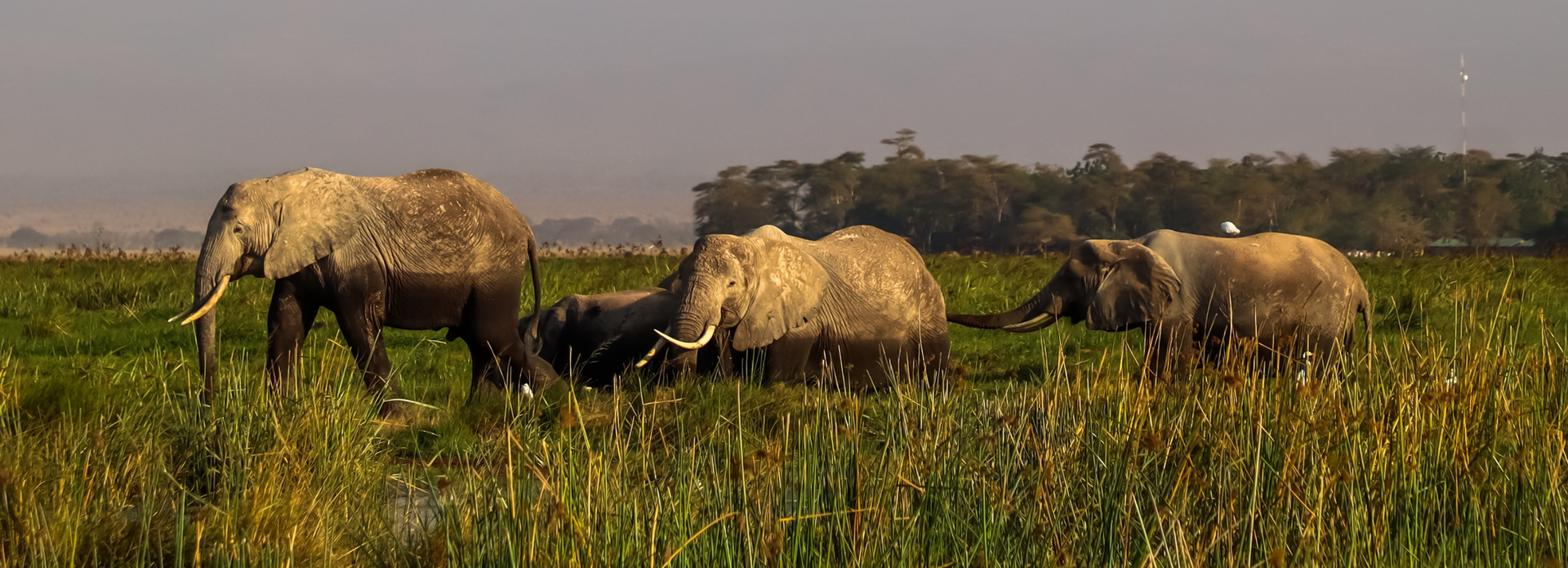
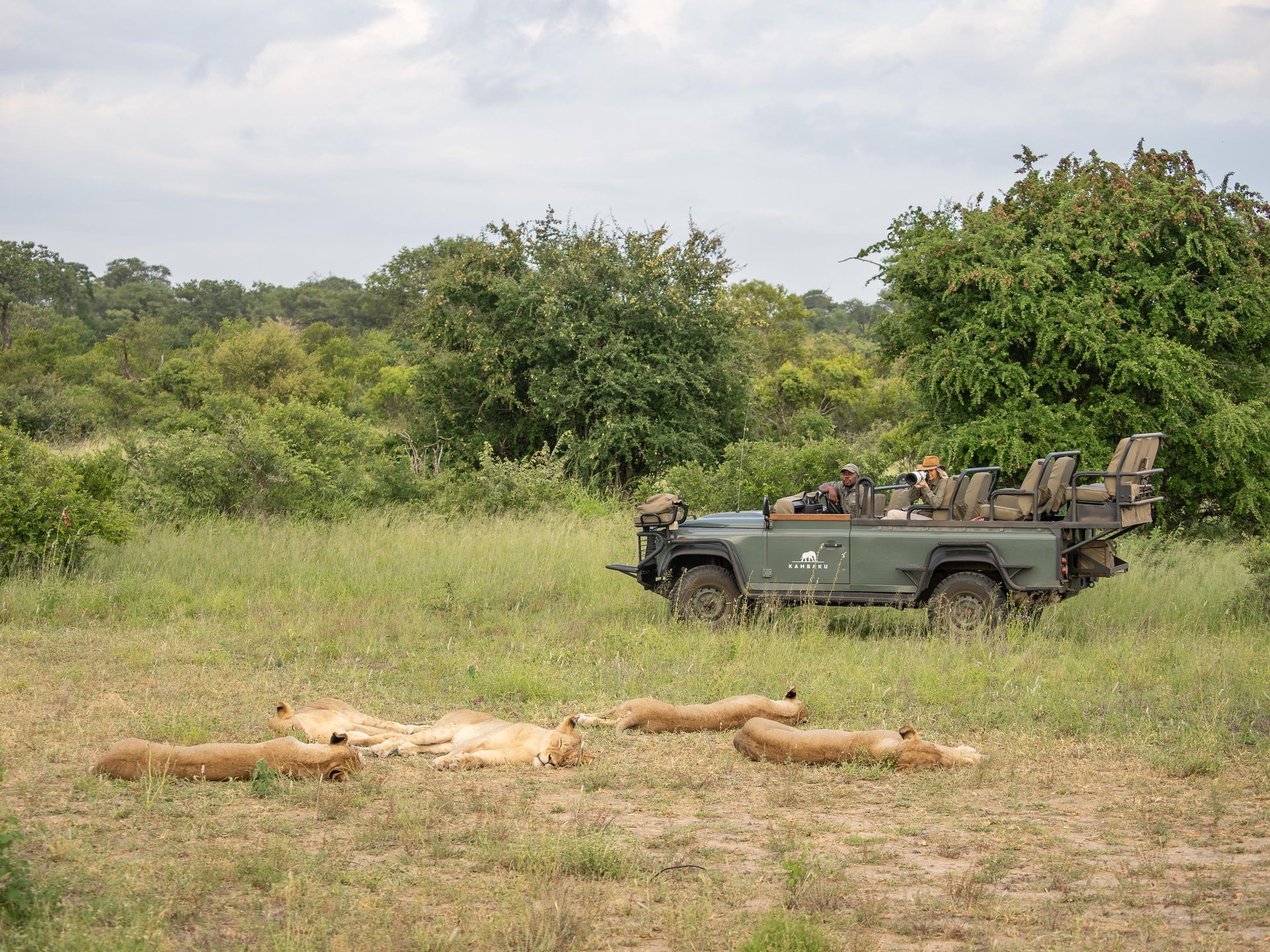
The absence of fences between Timbavati and the neighbouring national park allows wildlife to move across an extensive natural landscape. Lions, leopards, elephants, buffalo, rhinos and African wild dogs are among the species that may be encountered, together with giraffes, zebras, hyenas, antelope and prolific birdlife.
Morning drives begin in the cool, softer light around sunrise. Afternoon drives continue into dusk, creating opportunities to work with golden light, silhouettes and the transition from daylight to nocturnal activity.
Kambaku’s riverine setting is particularly attractive for photography. Mature trees, water-dependent wildlife and textured riverbeds can provide depth and context rather than featureless backgrounds.
Karongwe River Safari Lodge – A Riverside Setting for Wildlife Photography
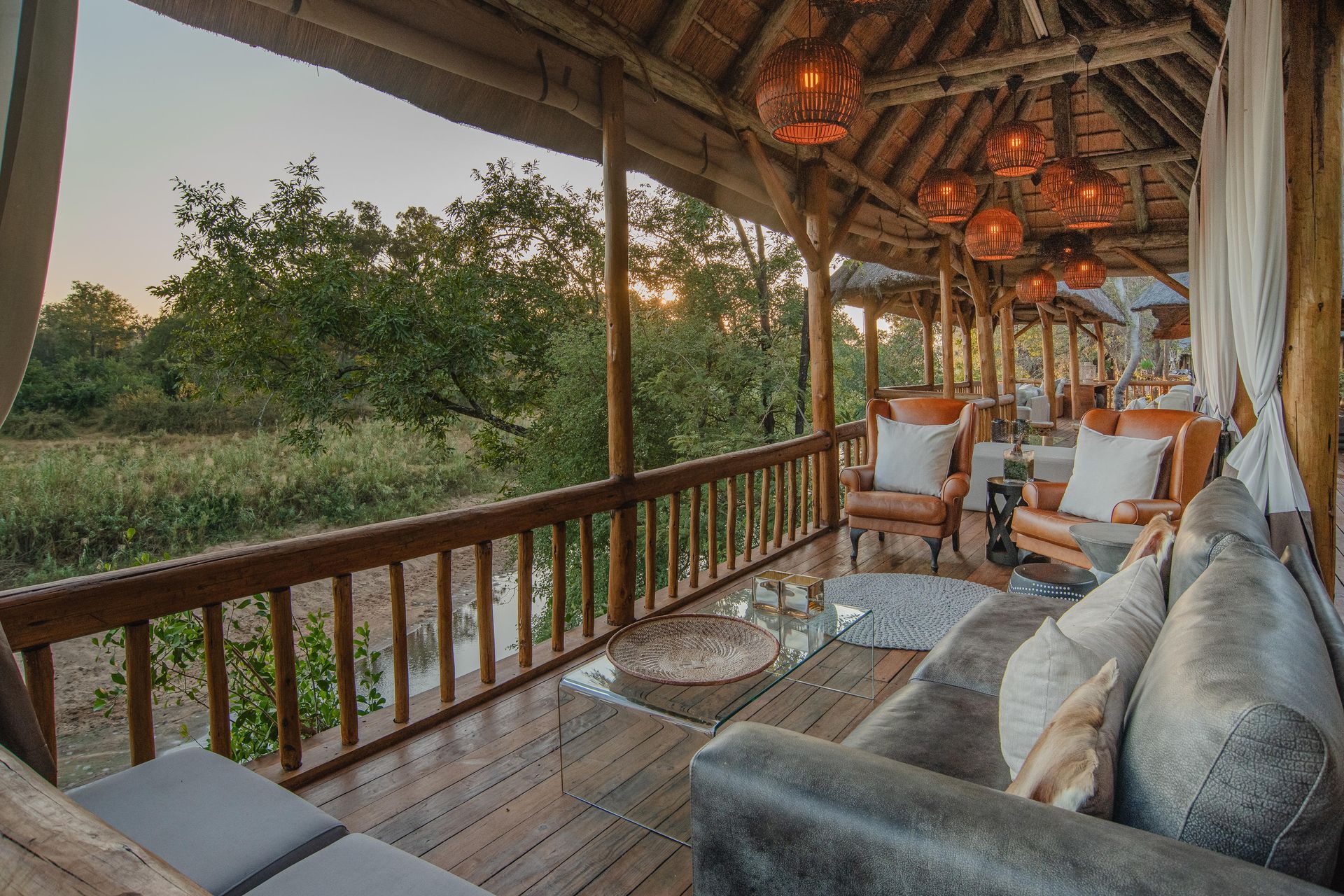
Karongwe River Safari Lodge is situated on the banks of the Makhutswi River in Karongwe Private Game Reserve. Spacious decks overlook the riverbed, allowing the surrounding landscape—and occasionally its wildlife—to remain part of the experience between game drives.
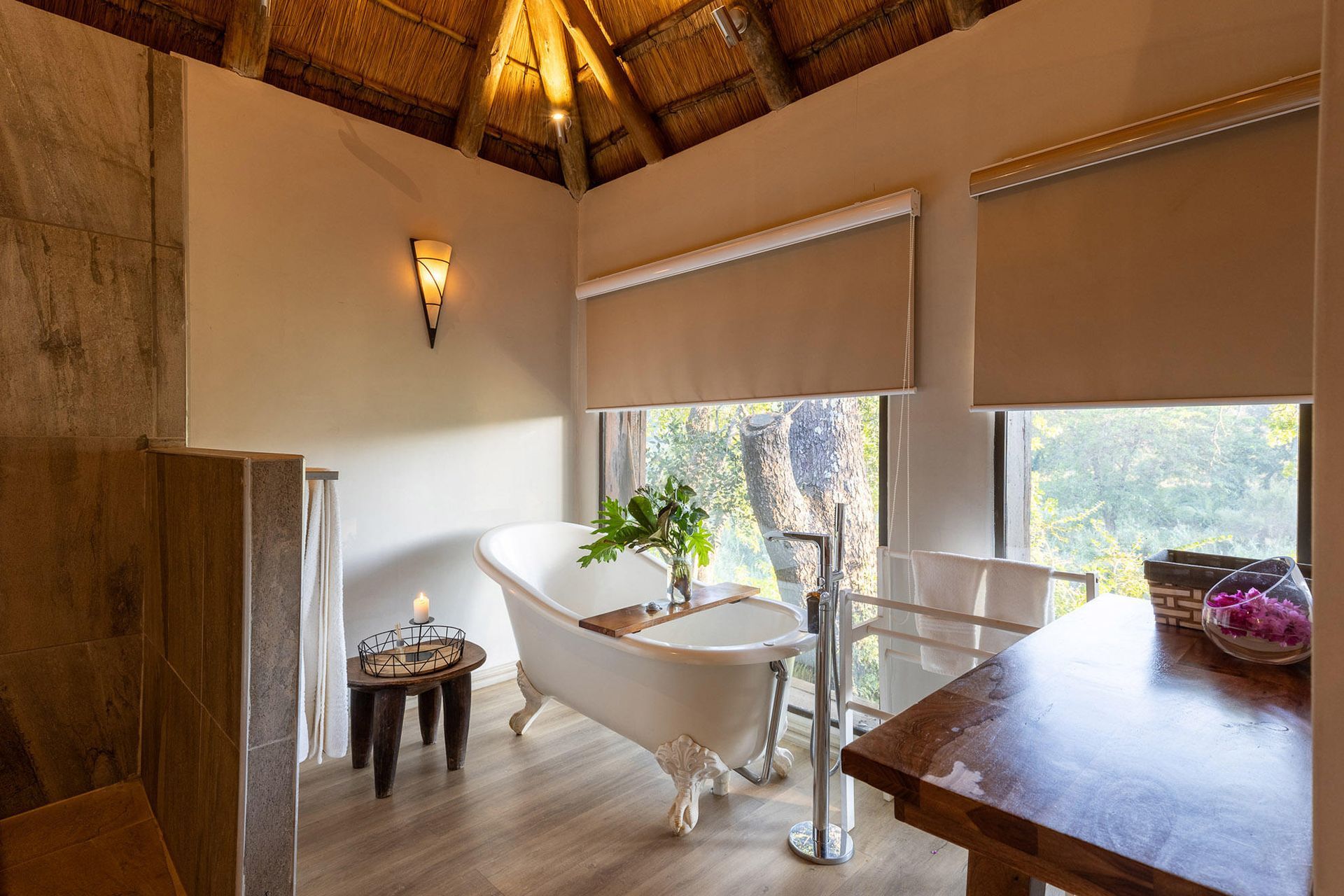
The lodge provides a comfortable setting in which to rest, review photographs and prepare for the next outing. Its riverside location, distant views of the Drakensberg Escarpment and dedicated bird hide also create photographic opportunities without having to leave the lodge.
Karongwe lies within the Kruger to Canyons Biosphere region. Its combination of rivers, woodland, open plains and thick riverine vegetation produces varied backgrounds and changing photographic conditions across the reserve.
What Wildlife Can You Photograph at Karongwe?
Karongwe offers opportunities to photograph the Big Five, as well as cheetahs, African wild dogs, hyenas, giraffes, zebras, antelope and diverse birdlife.
The reserve’s varied habitats allow photographers to create both close wildlife portraits and wider environmental images. An animal framed against the distant escarpment tells a different story from the same subject moving through dense riverine vegetation or crossing an open plain.
Four nights at Karongwe provide repeated opportunities to explore these environments, observe animal behaviour and become more deliberate about how light, landscape and background contribute to each photograph.
What Is It Like to Photograph Wildlife from a Hide?
A photographic hide offers a different experience from photographing wildlife on a game drive. Instead of searching for animals in a vehicle, you remain quietly in one position and allow birds and wildlife to approach naturally.
Karongwe River Safari Lodge has a bird hide overlooking the dam. The fixed viewpoint encourages photographers to pay closer attention to reflections, backgrounds, changing light and the smaller interactions that are easily missed from a vehicle.
Birds become important photographic subjects in their own right, while visiting animals may create opportunities to photograph drinking behaviour and natural interactions around the water.
Wildlife sightings can never be guaranteed, but the patience required is part of hide photography—and often part of its reward.
Nine nights. A remarkable variety of subjects. Your own way of seeing Southern Africa.
Is This Photographic Safari Right for You?
This safari suits travellers who want to dedicate a substantial part of their holiday to wildlife, animal behaviour and photography.
You should enjoy early mornings, extended game drives and spending time at promising sightings. You do not need to be an expert photographer, but you should be comfortable allowing the group time to work patiently rather than rushing from one animal to the next.
The safari is especially suitable for:
- Beginner photographers wanting practical, unhurried support
- Enthusiastic amateurs seeking more consistent results
- Experienced photographers who value behavioural interpretation
- Couples with different levels of photographic interest
- Wildlife enthusiasts who enjoy learning about what they see
- Travellers who prefer a small group to a large escorted tour
Who Might Prefer a Different Safari?
A different departure may suit you better if you want very short game drives, a fast-paced checklist of animals or complete individual control over every sighting. This is a shared small-group journey. Although the vehicles are private to the Martin Meyer Safaris group, decisions about time and positioning must consider all six guests.
The safari may also be unsuitable for anyone unable to climb into an open safari vehicle or remain seated over uneven terrain for several hours. Please discuss mobility concerns with Martin or Antje before booking.
Photograph Timbavati & Karongwe with Martin & Antje
From the open wilderness of Timbavati to the riverine landscapes of Karongwe, enjoy eight nights devoted to wildlife photography. Travel with Martin and Antje for experienced wildlife interpretation, practical photographic support and the time to wait for those moments that make you reach for your camera.
No payment is required to enquire. A complimentary short room hold may be arranged.
Frequently Asked Questions About a Photographic Safari
Answers to the most commonly asked Questions
How many guests will join the safari?
The departure is limited to a maximum of six guests. The small group allows more personal guidance, a relaxed atmosphere and more practical space for photographic equipment.
Are the safari vehicles private?
Yes. Safari vehicles are reserved for the Martin Meyer Safaris group and are not shared with unrelated lodge guests.
The vehicles are private to the group rather than to each individual guest. Final seating and vehicle allocation will be confirmed before departure.
How many game drives are included?
The safari normally offers morning and afternoon game drives during all four-night stays. The precise number may be affected by arrival times, transfers, weather, wildlife conditions or optional activities.
What is the difference between Timbavati and Karongwe?
Timbavati forms part of the open Greater Kruger ecosystem and is known for its extensive unfenced wilderness and free movement of wildlife.
Karongwe is a private reserve near the Greater Kruger area, with varied habitats, river systems and views towards the Northern Drakensberg. Combining the two offers different landscapes, guiding environments and photographic conditions.
Is this a Big Five photographic safari?
Both reserves offer the possibility of seeing and photographing lions, leopards, elephants, rhinos and buffalo.
However, these are natural wildlife areas rather than controlled environments. No species or sighting can be guaranteed.
Is the safari suitable for beginners?
Yes. Antje provides practical help with camera settings, composition, focus and changing light. Beginners can learn at a comfortable pace, while experienced photographers retain the freedom to work independently.
Do I need a long telephoto lens for a South African photographic safari?
A telephoto lens is useful for birds, distant wildlife and close-up details, but you do not need a large professional lens to enjoy the trip. A versatile zoom gives you flexibility as subjects move closer or farther away. For this itinerary, bring a wider lens too: Cape Town’s coastline and the scale of Victoria Falls call for a different perspective from wildlife portraits.
Do I need a professional camera?
No. Mirrorless cameras, DSLR cameras, bridge cameras and some compact systems can all produce rewarding safari photographs.
A camera you understand is usually more useful than unfamiliar equipment purchased immediately before departure.
Should I bring two camera bodies on a photographic safari?
Two camera bodies can be useful if you already own them: keep a longer lens on one and a wider zoom on the other to respond quickly without changing lenses. A second body also provides backup. It is optional, however. One familiar camera with a versatile lens is a sensible setup, especially if you prefer travelling light.