Can You Enjoy a Photographic Safari If Your Partner Isn’t a Photographer?
Can You Enjoy a Photographic Safari If Your Partner Isn’t a Photographer?
Yes. A photographic safari can suit couples where only one person takes photographs, provided both enjoy the destinations, wildlife and pace of the journey. The important question is whether the itinerary offers an experience both partners want to share.
One person may be looking forward to photographing wildlife. The other may prefer watching animals, exploring new places or enjoying the setting without a camera between them and the view.
Those interests can work comfortably together. However, an intensive photography workshop and a varied photographic holiday are different experiences. Understanding the distinction helps couples choose a trip that suits both travellers.
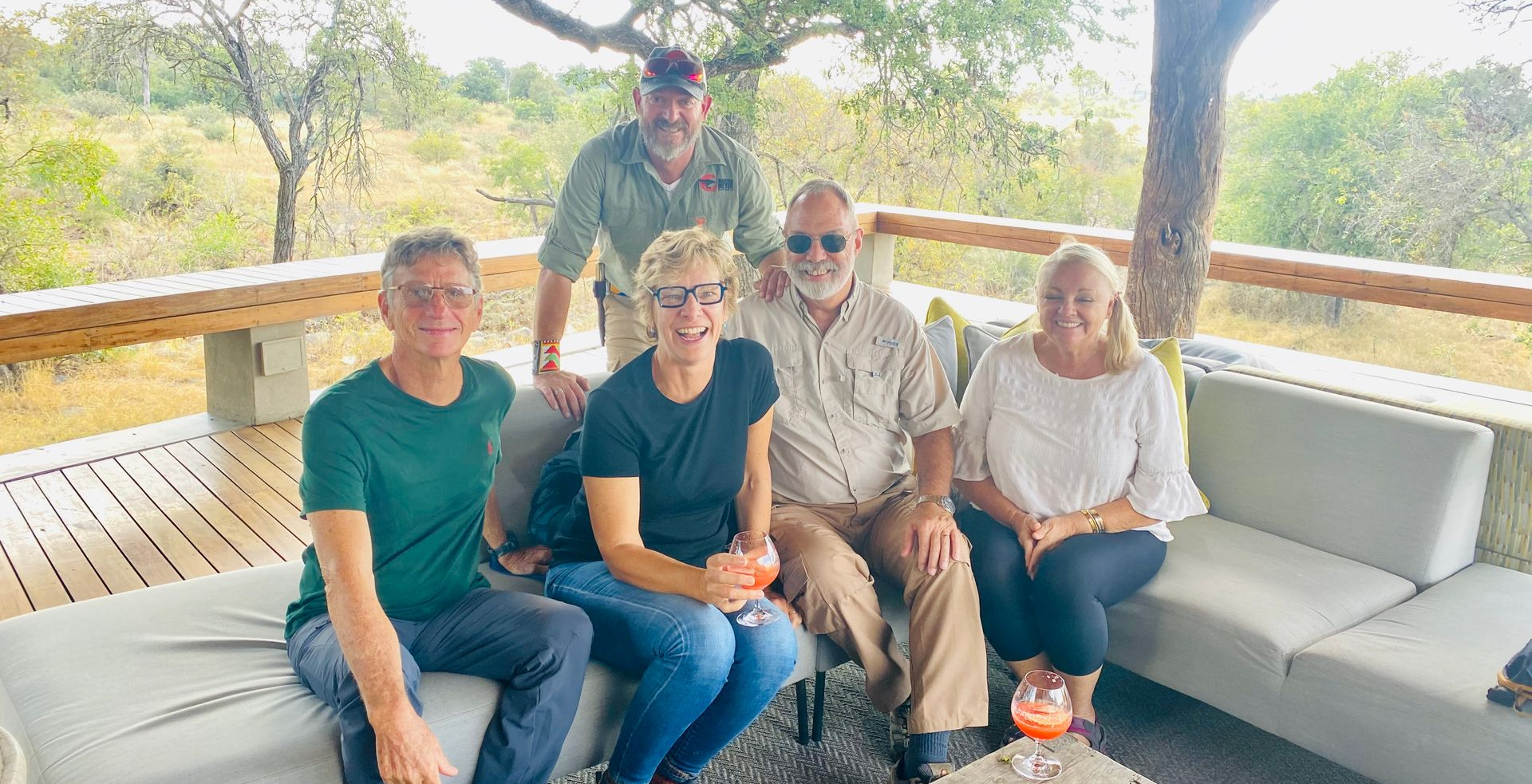
The Southern Africa photographic safari with Martin Meyer Safaris combines wildlife viewing at Karongwe with Cape Town, the Cape Peninsula, the Winelands and Victoria Falls in Zimbabwe. Martin Meyer and Antje Mouton accompany the journey, bringing wildlife interpretation and photographic support to an itinerary with a broad range of experiences.
Are Photographic Safaris Suitable for Non-Photographers?
Photographic safaris can be suitable for non-photographers who enjoy wildlife, observation and spending time in interesting places. Taking photographs is one way to engage with the experience, but it does not need to be everyone’s priority.
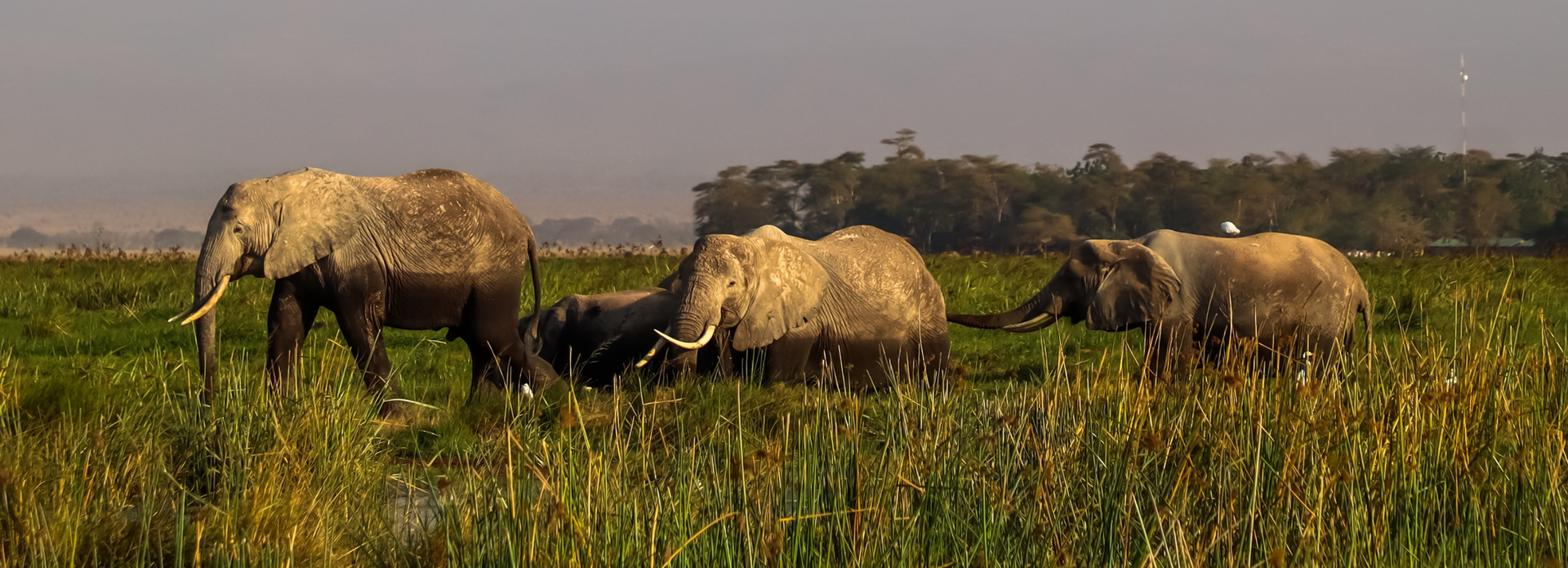
A non-photographer may enjoy watching how elephants interact, following a guide’s explanation of predator behaviour or noticing the birds around a water source. A photographer can be equally absorbed in the same encounter while considering composition and light.
The suitability depends on the departure. Some photographic tours follow a demanding schedule built around specific images, specialist techniques or extended teaching sessions. Others combine photographic opportunities with a wider holiday.
Before booking, couples should establish which format is being offered. The description “photographic safari” alone does not explain how each day will feel.

Will a Non-Photographer Get Bored on a Photographic Safari?
A non-photographer is less likely to become bored when they enjoy wildlife and understand the pace of the trip. Someone who prefers frequent changes of activity may find prolonged observation more challenging. The relevant distinction is often patience rather than camera ownership.
A photographer may want to remain with an animal because its behaviour or position could change. A non-photographer with an interest in wildlife may be just as happy to wait. Equally, either person may eventually feel ready to move on.
Guiding contributes to the experience by explaining what is happening. A scene that initially appears quiet can become more engaging when guests understand the behaviour being observed.
No itinerary will suit every couple equally. Honest discussion before booking is more useful than assuming a reluctant partner will enjoy the trip once they arrive.
What Can Non-Photographers Do During Safari Game Drives?
Non-photographers can watch wildlife, use binoculars, ask questions and enjoy the landscape during game drives. They participate in the same outing without needing to produce photographs.
There is plenty to observe beyond the subject attracting the cameras. A herd’s reaction to another animal, the behaviour of nearby birds or the changing attention of a predator can all contribute to understanding the encounter.
Some guests enjoy identifying species. Others prefer simply watching without keeping a record. Both approaches belong on a wildlife journey.
On the Martin Meyer Safaris photographic departure, wildlife interpretation forms part of the experience alongside photographic assistance. Guests can engage with the guiding whether they carry a camera, binoculars or neither.
A non-photographing partner should therefore consider whether the wildlife experience itself appeals to them. That is a stronger starting point than joining solely to accompany someone else.
How Long Do Photographic Safaris Spend at Wildlife Sightings?
Time at a sighting varies according to animal behaviour, photographic opportunities, access rules and the group’s interests. There is no fixed duration that applies to every encounter.
Photographic outings may involve waiting for movement, a clearer view or a change in the scene. That patience can reward guests who enjoy watching behaviour as well as those taking photographs.
However, a shared departure still involves shared decisions. The itinerary, other guests and practical arrangements influence when the group moves on. Couples should discuss their preferences before booking. One partner may enjoy spending an extended period with a single subject, while the other prefers a more varied outing. Understanding that difference helps Martin or Antje explain whether the departure’s pace is appropriate.
Photographic guiding creates opportunities within the journey; it does not mean every sighting can be extended indefinitely.
Are Photographic Hides Suitable for Non-Photographers?
Photographic hides can appeal to non-photographers who enjoy quiet observation and are comfortable waiting for wildlife. A hide offers a different experience from a game drive because guests remain in one place rather than moving through the reserve. The attraction may be the opportunity to watch an animal approach, drink or interact with others. Carrying a camera is not necessary to appreciate that behaviour.
Hide sessions can also involve quiet periods when little happens. Guests should be comfortable with the duration, seating and access arrangements of the particular hide.
The Karongwe stay on the Martin Meyer Safaris itinerary includes photographic hide experiences. Prospective guests should discuss session arrangements and any practical concerns before booking.
A hide is best considered as part of the overall experience. It is neither a guaranteed wildlife encounter nor an activity every non-photographer will enjoy equally.

Can Couples Do Different Activities on a Photographic Safari?
Separate activities may be possible on some itineraries, but they should never be assumed on a scheduled group departure. The options depend on the location, staffing, transport and arrangements booked. Choosing to remain at a lodge may be practical on a day when the group returns to the same accommodation. It is a different matter when everyone is transferring to the next destination.
Separate excursions can require additional bookings and costs. A group accompanied by two hosts should not automatically be understood as offering two independent daily programmes.
Couples interested in occasional time apart should discuss that preference with Martin or Antje before confirming the trip. The team can explain what is feasible within the published itinerary.
The most comfortable arrangement is one both partners understand in advance.
Is a South Africa Safari and Cape Town Holiday Better for Couples With Different Interests?
A safari combined with Cape Town can suit couples who want wildlife alongside a wider range of experiences. It allows the trip to include city exploration, coastal scenery and food and wine interests as well as time in the bush.
The Martin Meyer Safaris photographic departure includes four nights at Karongwe and four nights in Cape Town, followed by two nights at Victoria Falls, with an arrival night in Johannesburg.
The Cape Town programme includes city sights, a Cape Peninsula day and a Winelands day. Those outings provide photographic subjects while also being experiences a non-photographer can enjoy in their own right.
| Region | Interest for a Photographer | Interest for a Non-Photographer |
|---|---|---|
| Karongwe | Wildlife behaviour, animal portraits, and hide photography | Wildlife observation, guiding and the reserve experience |
| Cape Town | Architecture, colour, city details and wine views | Exploring the city and its beautiful vistas |
| Cape Peninsula | Coastlines, landscapes and penguines | Coastal scenery and visits to places such as CApe Point and Boulders Beach |
| Cape Winelands | Landscapes and architectural details | Wine and Food Pairing |
| Victoria Falls | Waterfall scenery, Bird Photography, reflections and moving water | Experiencing the Victoria Falls, enjoying the Zambezi River |
The point is to choose destinations that both partners would want to visit. A camera can add another interest to the experience without becoming the only reason for being there.
Explore the complete South Africa and Victoria Falls photographic safari itinerary.
Does a Non-Photographer Need to Bring a Camera?
No. A non-photographer does not need to bring a dedicated camera simply because the trip includes photography. Guests can enjoy watching the wildlife and exploring the destinations without taking photographs.
A smartphone may be useful for personal memories, while binoculars can add to wildlife observation. Neither choice needs to become a commitment to learning photography.
Some guests become curious about taking better pictures during the journey. Others remain happiest watching. Both preferences should be respected.
Couples should avoid treating the holiday as an opportunity to turn one partner into a photographer. The stronger basis for a shared trip is allowing each person to enjoy it in their own way.
How Do Guides Help Photographers and Non-Photographers Enjoy the Same Safari?
Guides help by connecting photographic opportunities with the wider wildlife experience. Understanding behaviour can make a sighting more rewarding for someone watching and help a photographer anticipate what may happen next.
Martin Meyer and Antje Mouton bring complementary experience to the Martin Meyer Safaris departure. Wildlife guiding, photographic assistance and practical support form part of the accompanying team’s role.
For a photographer, useful help may involve composition or responding to a changing scene. For a non-photographer, it may involve explaining an interaction or answering a question about the habitat.
The same encounter can support both conversations.
Two accompanying hosts provide different perspectives and points of contact. Their presence does not remove the shared nature of the itinerary, but it creates opportunities to support guests with different interests throughout the journey.
Is a Photographic Safari or a Private Safari Better for a Couple?
A scheduled photographic safari may suit a couple who enjoy shared experiences and are comfortable with the published programme. A tailor-made private safari may be more appropriate when their preferred pace or daily priorities differ substantially from the group format.
| A scheduled photographic safari may suit a couple who… | A tailor-made private safari may suit a couple who… |
|---|---|
| Both enjoy the destinations and wildlife experiences. | Need a route built around different interests. |
| Are comfortable sharing outings with fellow guests. | Want arrangements reserved for their own party. |
| Appreciate photographic guidance within a broader journey. | Want a dedicated photographic programme or more individually planned activities. |
| Can travel on the published dates. | Need different dates or a different trip length. |
| Accept shared decisions about the daily programme. | Place greater importance on personal control over the pace. |
A photographic departure works best when both partners actively want the experience. If one person would prefer a substantially different holiday, a customised itinerary may provide a better solution.
What Should Couples Ask Before Booking a Photographic Safari?
Couples should ask questions that reveal how the journey will work for both travellers. The most useful answers concern the actual itinerary rather than general promises that everyone is welcome.
Questions worth discussing include:
- How much of the trip is devoted to wildlife photography?
- What is the expected pace of game drives and hide sessions?
- Does the programme include formal teaching or editing sessions?
- What can guests do if they prefer to miss an outing?
- Are any separate activities possible, and would they cost extra?
- How are different interests handled within the group?
- Which destinations and activities are likely to appeal to both partners?
Each person should have room to explain what they hope to enjoy. Martin or Antje can then discuss whether the departure offers a suitable balance.

Which Martin Meyer Safaris Photographic Trip Welcomes Non-Photographing Partners?
The Southern Africa Photographic Safari 2027 with Martin Meyer Safaris welcomes photographers and non-photographing partners who enjoy the journey’s mix of wildlife and other destinations.
The itinerary travels through Johannesburg, Karongwe and Cape Town before continuing to Victoria Falls in Zimbabwe. Martin Meyer and Antje Mouton accompany the journey, providing guiding, photographic assistance and practical support.
Its combination of wildlife outings, hide experiences, city visits, coastal scenery and the Winelands gives couples several shared reasons to travel.
Prospective guests can describe both partners’ interests, preferred pace and any concerns about the photographic activities. Martin or Antje will explain the arrangements and help them assess the fit.
The right photographic holiday should give both partners something to look forward to.
Have you always dreamed of going on safari but don't know where to start ?
We offer a complimentary 1 hour safari consultation call to simplify the process.