What Is a Small Group Tanzania Safari Really Like?
A small group Tanzania safari brings together travellers who share a planned itinerary, safari vehicles and wildlife experiences. It offers the companionship of travelling with others, with guides managing the journey and helping guests understand the places they visit.
The experience depends on much more than the number of people travelling. Vehicle arrangements, time between camps, guiding continuity and the interests of fellow guests all shape the safari.
Travellers often wonder how much time they will spend with the group, how much driving is involved, or whether a photographer and a partner without a camera can enjoy the same trip. These are useful questions to ask before choosing a departure.
On the Martin Meyer Safaris privately guided Tanzania safari in September 2027, Martin Meyer and Antje Mouton accompany a 12-night journey through Arusha, Ngorongoro and the Southern and Central Serengeti. The following guide explains what to consider when deciding whether this style of safari is the right fit.
What Is a Small Group Tanzania Safari?
A small group Tanzania safari is a scheduled journey on which independently booked guests travel together. The departure dates, accommodation and route are arranged in advance, while vehicles and wildlife activities are shared within the group.
“Small group” does not describe one standard experience. Different operators use different group sizes, accommodation styles and guiding arrangements. Before comparing departures, travellers should establish exactly what is included and how the group travels.
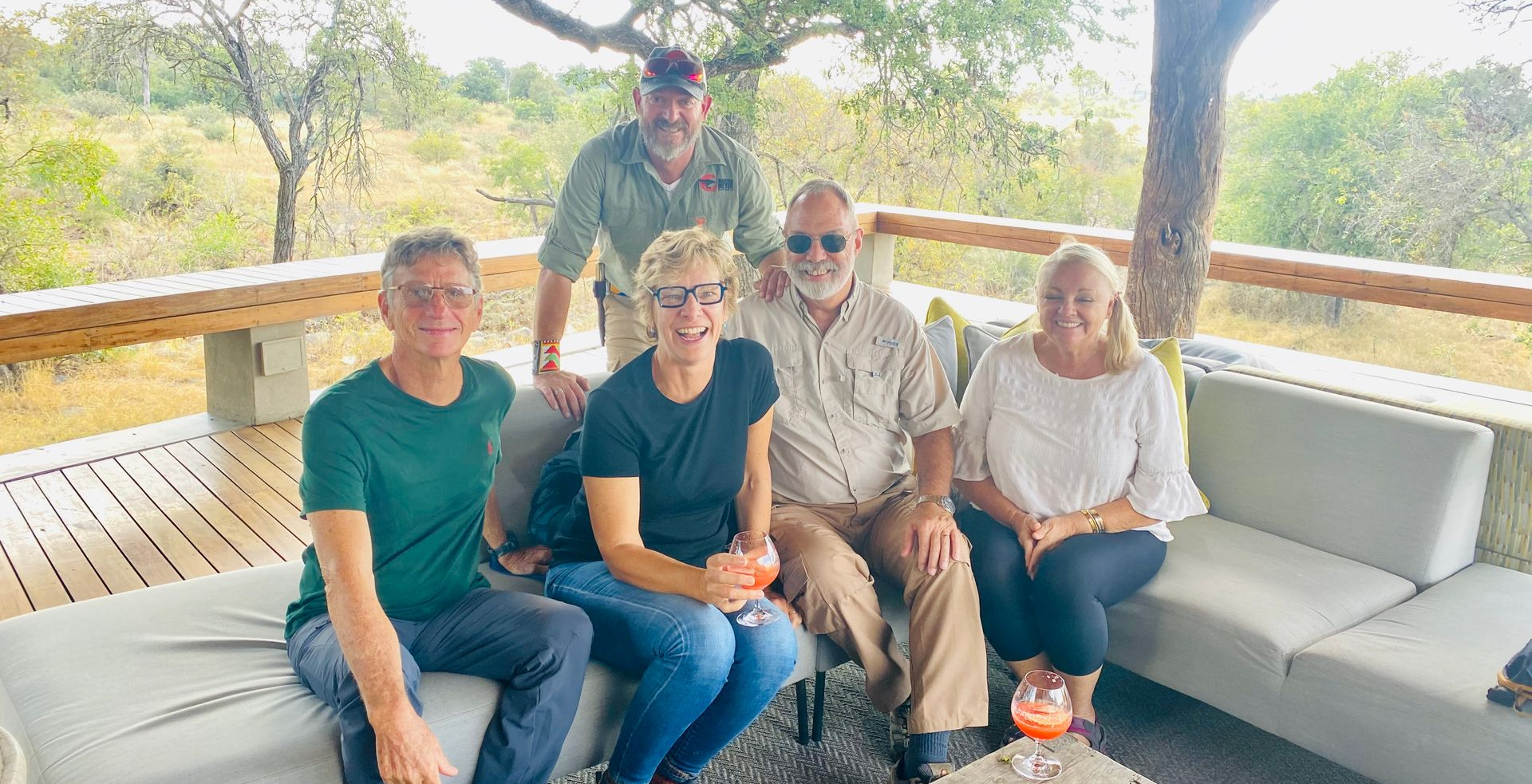
The MMS Tanzania departure combines a shared itinerary with private guiding. Martin and Antje accompany the journey, supported by local Tanzanian driver-guides, and the safari vehicles are reserved exclusively for the Martin Meyer Safaris group.
Guests share vehicles with their fellow safari travellers. Accommodation follows the room arrangement booked, whether guests are travelling as a couple, with a friend or independently.
What Does a Typical Day on a Tanzania Safari Look Like?
A typical Tanzania safari day centres on wildlife viewing, with meals and rest fitted around the planned activities. Some days involve morning and afternoon game drives, while others may include a longer outing with a packed meal. Days spent moving between accommodations follow a different schedule.
An early start allows guests time to prepare binoculars and cameras before heading out. Once the drive begins, tracks, wildlife activity and current conditions help guide decisions about where to explore.
There will be exciting encounters and quieter periods of searching. Both belong to the experience. A guide helps guests notice the details that connect them: an animal watching intently, a change in the behaviour of a herd, or signs that something passed through earlier.
During a safari with Martin Meyer Safaris, the guiding team explains the next day’s arrangements so guests know what to expect. The precise schedule depends on the location, activities and practical requirements of the itinerary.
How Much Driving Is Involved in a Tanzania Safari?
Driving time on a Tanzania safari depends on the distances between accommodations and the length of wildlife outings. When comparing itineraries, it helps to distinguish between road transfers and game drives. Both involve time in a vehicle, but they serve different purposes.
A transfer day involves reaching the next accommodation. A game-drive day is devoted to exploring a wildlife area, with stops shaped by what the group encounters.
The Martin Meyer Safaris itinerary includes an arrival night in Arusha, three nights at Ngorongoro, four nights in the Southern Serengeti and four nights in the Central Serengeti. Staying several nights in each area reduces how often guests pack and move, allowing full days to explore from each base.
There are still road transfers and extended periods seated in safari vehicles. Travellers concerned about vehicle comfort should discuss the moving days, expected conditions and practical arrangements with Martin or Antje before booking.
The full Tanzania safari itinerary shows the order of the stays and how the journey fits together.
How Many People Share a Safari Vehicle in Tanzania?
The number of people sharing a safari vehicle varies between operators and departures. Total group size alone does not explain how much room each guest has. The number of vehicles and the seating arrangements for guests and guides also matter.
On this departure with Martin Meyer Safaris, private safari vehicles are reserved for the group and shared among the guests travelling together.
Before booking a small group safari, travellers should ask about:
- The maximum number of guests in each vehicle.
- Seating positions and how they are managed.
- Where the accompanying guides and hosts sit.
- Space for cameras, binoculars and day bags.
- Any differences between airport-transfer and game-drive vehicles.
These details matter when guests spend several hours observing wildlife. A large camera bag takes up space, and an unobstructed view matters whether someone is taking photographs or watching through binoculars.
Martin or Antje can explain the vehicle and seating arrangements for this departure, including considerations for guests with specific space or equipment requirements.
Will I Have the Same Guide Throughout My Tanzania Safari?
Guide continuity depends on how a Tanzania safari is arranged. Some itineraries retain the same driver-guide across a road journey, while others involve different guiding teams at successive camps. Travellers should ask who accompanies each part of the trip.
On the September departure with Martin Meyer Safaris, Martin and Antje accompany the itinerary, working alongside local Tanzanian driver-guides. Guests have familiar hosts as they move between the different areas.
That continuity allows conversations to develop. Something observed at Ngorongoro may help explain behaviour encountered later in the Serengeti. The hosts also become familiar with guests’ interests, whether those involve photography, birds, predators or the wider ecology.
For guests, this means less time explaining their preferences again and more opportunity to build on what they have already experienced.
What Is the Difference Between a Safari Host and a Driver-Guide?
A safari host supports guests across the journey, while a driver-guide combines driving responsibilities with guiding and local knowledge. Responsibilities can overlap, so the useful question is what each person contributes to a particular safari.
On this Tanzania journey, Martin brings wildlife interpretation and private guiding experience. Antje contributes photographic assistance, operational experience and practical guest support. The local driver-guides add their knowledge of the areas, routes and current conditions.
Together, those roles connect the wildlife experience with the arrangements that keep the journey running smoothly.
Guests may want to understand why an animal is behaving a certain way, ask for help with a camera or clarify the following morning’s departure. An accompanying team provides familiar people to approach throughout the trip.
The benefit comes from their complementary experience and how they work together on behalf of the guests.
Can Photographers and Non-Photographers Enjoy the Same Tanzania Safari?
Yes. Photographers and non-photographers can enjoy the same Tanzania safari when the pace and expectations suit both. A shared interest in wildlife provides plenty of common ground, even when guests approach a sighting differently.
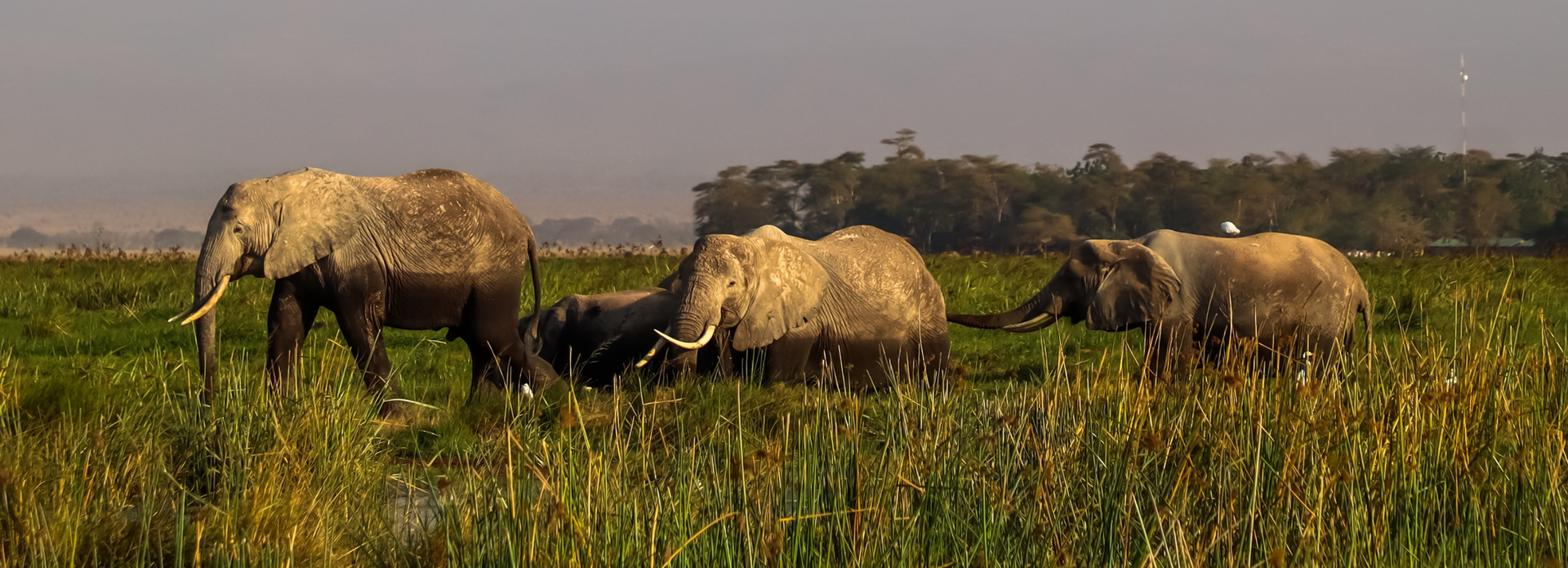
One person might concentrate on framing an image while another watches an elephant interact with its calf. Both are paying attention to the same encounter.
Antje can provide practical photographic assistance during the safari, while the guiding team explains the wildlife and behaviour around the group. Guests do not need specialist equipment or photographic experience to enjoy the journey.
A shared safari still involves shared decisions about where to go and how long to remain at a sighting. Travellers whose main priority is intensive photography, or who prefer consistently shorter outings, should discuss those preferences before booking.
For couples with different interests, that conversation helps establish whether the departure offers the experience each person wants.
Can I Skip a Game Drive on a Group Safari?
It may be possible to skip a game drive when the group is returning to the same accommodation. It is a different matter on a transfer day, when everyone needs to travel onward. The answer depends on the itinerary and the arrangements at that property.
Guests who would appreciate an occasional quiet morning should mention this before booking. Martin or Antje can explain where staying behind may be practical and what needs to be arranged.
Travellers should also ask about meals and the facilities available while the group is out. These vary between properties and should not be assumed.
Enjoying a safari does not require filling every available moment with an activity. Choosing a journey with a suitable pace helps guests enjoy the experience comfortably.
Can Solo Travellers Have Their Own Room on a Tanzania Group Safari?
Yes. Solo travellers can book their own accommodation on the Tanzania group safari with Martin Meyer Safaris, subject to availability and the applicable single supplement. Sharing the safari experience does not require sharing a bedroom.
Solo guests have company for game drives and shared activities, with private space to return to at the end of the day.When comparing solo safari options, travellers should check whether the advertised price assumes room sharing, whether a single room is available and what the total price will be. These arrangements differ between departures.
There is no need to find a travel companion before enquiring with Martin Meyer Safaris. Martin or Antje can explain the current room options and help independent travellers decide whether the group format suits them.
How Many Nights Should You Spend in Each Serengeti Camp?
The right number of nights depends on the camp’s location, the areas being explored and the overall length of the safari. Allowing several nights at a base creates full days for wildlife viewing and reduces the frequency of packing and transferring. The Martin Meyer Safaris itinerary spends four nights in the Southern Serengeti and four nights in the Central Serengeti. Those stays allow time to explore from each base and revisit productive areas.
There is value in becoming familiar with a place. A route travelled one afternoon can offer a different experience the following morning. Returning also allows guests to build on what they have learned about the landscape and its wildlife.
When comparing Serengeti safari itineraries, travellers should count the full days available at each camp as well as the nights. Arrival and departure days may include substantial travel, depending on the route.

Is a Small Group or Private Tanzania Safari Better for Me?
A small group Tanzania safari suits travellers who enjoy company and are comfortable with published dates and a shared itinerary. A tailor-made private safari is usually a better fit for those who want arrangements shaped exclusively around their own party.
| Consideration | Small Group Safari | Tailor-made private safari |
|---|---|---|
| Travel Dates | Published departure dates | Planned around your availability |
| Companions | Fellow guests on the departure | The traveller's chosen companions |
| Vehicles | Shared within the safari group | Arranged for the Private Party/ Shared with other lodge guests |
| Route | Agreed itinerary | Designed around the party's priorities |
| Daily decisions | Balance the interests of the group | Reflect the private party's interests within practical limits |
| Social experience | Opportunities to meet other travellers | Time with chosen companions |
Both formats can offer excellent guiding and rewarding wildlife experiences. Preferences for company, independence and flexibility should help determine the choice.
Martin and Antje can discuss the small group departure alongside other Tanzania safari options, helping travellers select the format that best matches their interests.
How Do I Join a Small Group Tanzania Safari in September 2027?
The Martin Meyer Safaris privately guided Tanzania small group safari runs from 10–22 September 2027, with 12 nights across Arusha, Ngorongoro and the Southern and Central Serengeti. Martin Meyer and Antje Mouton accompany the journey.
Prospective guests can begin by reviewing the itinerary, then submitting an enquiry with their preferred room arrangement, travelling companions and any questions about the experience.
Martin or Antje will confirm current availability and explain the guiding, vehicle and booking arrangements. This is also the time to discuss photographic equipment, personal interests and any practical needs that may affect comfort.
Submitting an enquiry does not commit a traveller to booking.
View the September 2027 Tanzania safari and enquire about availability.
Martin and Antje will help prospective guests decide whether this is the right journey for them.
Have you always dreamed of going on safari but don't know where to start ?
We offer a complimentary 1 hour safari consultation call to simplify the process.